300
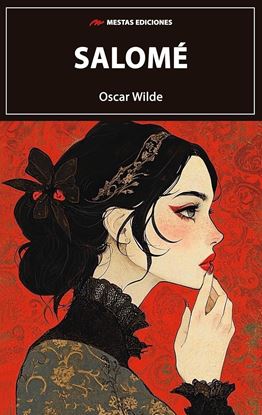
SALOME (MESTAS)
Pocas obras han desatado tanta controversia y fascinación como Salomé, el escandaloso drama con el que Oscar Wilde incendió los escenarios europeos y desafió los valores estéticos y morales de su tiempo. Con una escritura fulgurante, marcada por la sensualidad y una violencia contenida, esta tragedia breve se despliega como un ritual poético y perverso que roza lo sagrado y lo sacrílego al mismo tiempo. La historia, inspirada en los Evangelios pero desbordada por el genio provocador de Wilde, gira en torno al deseo prohibido, la obsesión y el poder de la mirada. Salomé, joven y enigmática, convierte su danza en un arma de seducción y condena, mientras que la belleza y el horror se abrazan en un clímax implacable que aún hoy continúa estremeciendo. Una reflexión aguda sobre la corrupción del deseo, la arbitrariedad del castigo y el arte como forma de transgresión absoluta. En sus páginas late la esencia misma del decadentismo y el espíritu estético de fin de siglo. Más de un siglo después, su lectura sigue siendo tan inquietante como imprescindible.
300
300
SAGRADO CORAZON (OF2)
En Sagrado Corazón 45, Jose Padilla sitúa la acción en una vivienda de una ciudad sin nombre. Tras sus muros se protegen los misterios de varias generaciones de españoles: un viaje desde el pasado al presente y unos personajes atrapados por un constante cambio y transformación. Jose Padilla invita a descubrir qué hay detrás del juego dramático, hace que nos preguntemos qué realidades sujetan los corzones de sus personajes otorgando al público la responsabilidad de seguir con la trama y de llenar de significados la obra.
300
300
DOS VECES EXTRANJEROS (OF2)
COMO quien debe recorrer
muchos kilómetros
para cumplir un conjuro,
llevo las semillas
de la selva lacandona
al Viejo Mundo
y las pierdo allí.
En el viaje tenemos la sensación
de que todo está por hacerse,
que podemos ser otros,
que el deseo no ha muerto.
Vamos de un país a otro
sin volver a casa
y sentimos que somos
dos veces extranjeros.
300
300
SALTAR LA HOGUERA (OF2)
Saltar la hoguera se inserta ya de forma plena en la senda del intimismo despojado y la contención expresiva que La víspera nos permitía intuir. Consciente más que nunca de que un poema no es lo mismo que la realidad, pero también de que, a cambio de esa certeza, la lectura nos devuelve todo aquello que merece la pena preservarse.
300
300
ANIMAL DE NIEVE (OF2)
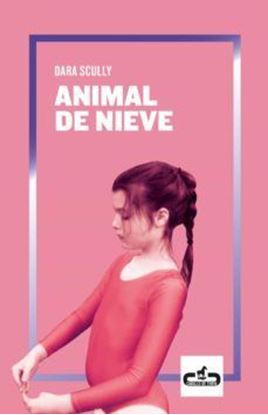
Dara Scully nos transporta con Animal de nieve a un lugar aislado y frío donde la directora de un internado femenino impone una férrea disciplina en las alumnas, hasta que la llegada de un nuevo profesor hace que una ellas rompa el molde y reclame su propia existencia. «Las alumnas especulaban. Un hombre había penetrado en sus dominios, en su colegio de paredes de piedra, de entramados de flores en los jardines. ¿Acaso se aventuraban a decirlo? ¿Era tal vez un maestro? ¿Se atrevería Miss Bell a dejar que un hombre enseñara a las muchachas?» Animal de nieve es la segunda novela de la fotógrafa Dara Scully, cuyo arte ha conseguido enredar a sus miles de seguidores en un mundo de cuerpos mágicos, escenas hipnóticas y animales heridos. Precisamente todas esas cosas son las que componen el universo de este libro, con una historia unas veces deliciosa y otras claustrofóbica sobre un internado para niñas regentado por una misteriosa directora. De entre todas las alumnas, Angélica se sabe diferente al resto. Tal vez sea su ímpetu, o su curiosidad, tal vez sean sus nervios, o sus ansias de belleza, pero ella reconoce que ese colegio es demasiado sombrío. Que necesita salir de allí y ser libre. Será tras la llegada al colegio de Frédéric, el nuevo profesor de música, cuando todos esos sentimientos terminen por estallar en su corazón. Él es un hombre que ha visto más allá de los muros del internado y que, pese a todo, se enfrenta a los mismos fantasmas que las chicas. Animal de nieve es una novela lírica, sobrecogedora, que sigue la estela de la literatura de Fleur Jaeggy, Herta Müller o Marguerite Duras, y cuyas protagonistas recuerdan también a las nínfulas del arte de Virginia Mori o Sally Man.
300
300
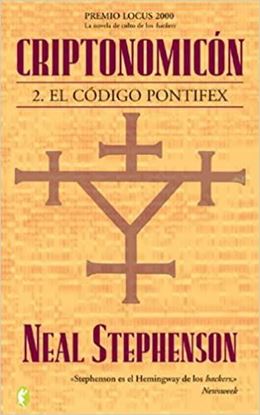
CRIPTONOMICON II (BOL) (OF1)
Una atrevida, amena e irónica mezcla de ciencia ficción, ucronía y thriller.
El genio matemático Lawrence Pritchard Waterhouse colabora en 1942 con Alan Turing y especialistas británicos de Betchely Park para descifrar los códigos secretos de las potencias del Eje.
Sesenta años más tarde, la empresa de Randy, su nieto y brillante criptohacker, proyecta crear un paraíso de datos y exponente de la libertad informática: la Cripta.
Criptonomicón se traslada al escenario bélico del Pacífico para plasmar las aventuras del marine Shaftoe en busca de MacArthur, así como las de Lawrence, con su imaginativo tratamiento matemático de la cualidad y efectos de las eyaculaciones, y las de un Randy enfrentado a las mafias de la política, la tecnología y las finanzas.
300