

1,500
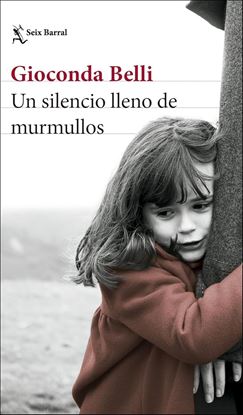
UN SILENCIO LLENO DE MURMULLOS
Valeria hizo grandes sacrificios como protagonista activa de los cambios políticos de su país, Nicaragua. Tras su muerte en Madrid, en plena soledad, le corresponde a su hija Penélope viajar a España y ocuparse de sus bienes materiales. Rodeada de las pertenencias de una madre que siempre sintió ausente, Penélope resolverá incógnitas inesperadas y conocerá la apasionante vida de una mujer marcada por triunfos y derrotas, la clandestinidad y las vicisitudes del amor.
Un silencio lleno de murmullos es una emocionante novela sobre la zozobra de los secretos familiares y sobre los costes personales del compromiso político para una madre y su hija.
Exiliada en Madrid desde 2022, Belli ha escrito esta novela desde su propia experiencia como madre y como militante que ha vivido el auge y la caída del sueño revolucionario. «Los hijos de quienes nos involucramos en la revolución sufrían una suerte de abandono. El de los padres se aceptaba. Otra cosa pasaba con las madres. Esa ausencia materna cargaba a ambas partes con un nivel de reproche y culpabilidad muy doloroso. He pensado
en mis hijas escribiendo esta novela», Gioconda Belli.
1,500
1,500
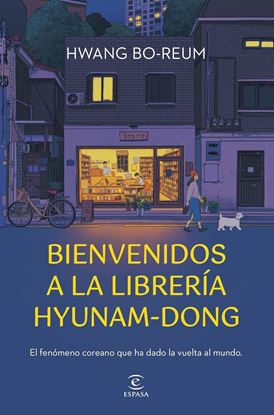
BIENVENIDOS A LA LIBRERIA HYUNAM-DONG
Yeongju ha pasado toda su vida haciendo lo que se esperaba de ella: estudiar, casarse y tener un trabajo respetable. Hasta que un día, cansada, abandona su trabajo de oficina para perseguir su sueño: abrir una librería en un barrio tranquilo y encantador de Seúl. Allí, rodeados de libros, Yeongju y sus clientes se cobijan del mundo. Del barista solitario a la vendedora de café infelizmente casada, todos han vivido decepciones en el pasado. La librería Hyunam-Dong se convertirá en el lugar donde todos ellos aprenden a disfrutar de la vida.
Una tierna historia sobre la importancia de encontrar paz y aceptación en la vida, y sobre el poder curativo de los libros.
1,500
1,500
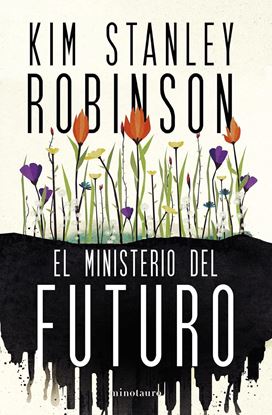
EL MINISTERIO DEL FUTURO (NE)
El Ministerio del Futuro es una obra maestra de la imaginación. Narra a través de testimonios ficticios cómo nos afectará a todos el cambio climático. Su visión no es la de un mundo desolado y apocalíptico, sino la de un futuro que ya se nos echa encima… y cuyos desafíos tal vez consigamos superar por los pelos.
Es una novela actual e impactante, descorazonadora y esperanzadora a partes iguales, y es uno de los libros más poderosos y originales que jamás se hayan escrito sobre el cambio climático.
Creado en el año 2025, el objetivo del nuevo organismo era sencillo: Defender a las futuras generaciones de la humanidad y proteger a todos los seres vivos, del presente y del futuro. Enseguida empezó a ser conocido como el Ministerio del Futuro, y esta es su historia.
1,500

1,500
UNA MADRE
10º aniversario de la novela que ha enamorado a más de 150.000 lectores con un universo sin igual: Amalia y su familia.
Faltan unas horas para la medianoche. Por fin, después de varias tentativas, Amalia ha logrado a sus 65 años ver cumplido su sueño: reunir a toda la familia para cenar en Nochevieja.
Una madre cuenta la historia de cómo Amalia entreteje con su humor y su entrega particular una red de hilos invisibles con la que une y protege a los suyos.
Sabe que va a ser una noche intensa, llena de secretos y mentiras, de mucha risa y de confesiones largo tiempo contenidas que por fin estallan para descubrir lo que queda por vivir. Sabe que es el momento de actuar y no está dispuesta a que nada la aparte de su cometido.
Una madre no es solo el retrato de una mujer valiente y entrañable, y de los miembros de su familia que dependen de ella y de su peculiar energía para afrontar sus vidas, sino también un atisbo de lo que la condición humana es capaz de demostrarse y mostrar cuando ahonda en su mejor versión.
1,500

1,500
EL MORADOR DE LAS TINIELBLAS, DE H.P.
Una pieza de arte de Tomás Hijo.
Una obsesión se ha apoderado del alma de Robert Blake. Cada día observa, desde la ventana de su estudio, la silueta de la iglesia abandonada que se alza sobre Federal Hill. Cuando finalmente decide atravesar los decadentes barrios que rodean el templo, Blake accederá a un escenario acorde con sus gustos por lo oculto: extraños manuscritos, ídolos inquietantes, símbolos blasfemos, un cadáver olvidado…
Todos ellos vestigios de un viejo culto dedicado a obscenas deidades cósmicas. En el centro mismo de ese enclave de pesadilla, Blake se encontrará con un artefacto ancestral vinculado a terrores inimaginables que amenazarán con desgarrar su mente y el tejido mismo de la realidad
1,500
1,500
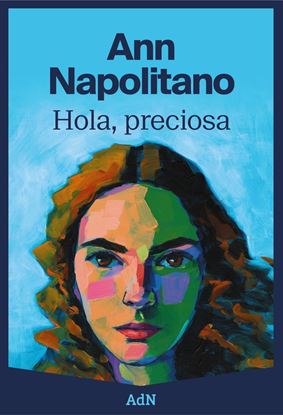
HOLA, PRECIOSA
Todo el mundo considera inseparables a las hermanas Padavano, que parecen complementarse mutuamente. Julia, la mayor, es el cohete de la familia: siempre tiene un objetivo en mente y un plan para alcanzarlo. Sylvie, la soñadora, es feliz con sus libros, soñando con ese tipo de amor que solo existe en las novelas. Cecelia se dedica al arte y Emmeline, su gemela, cuida de los demás.
Julia está enamorada de William Waters, estudiante de Historia y estrella del deporte universitario, y cree que todos sus planes para la edad adulta se están haciendo realidad: un marido, una casa, una familia propia. Sin embargo, cuando la oscuridad del pasado de William sale a la superficie, no solo peligran los planes de futuro de Julia, sino también la inquebrantable lealtad de las hermanas.
1,500

1,500
LOS NOMBRES DE FELIZA
El 8 de enero de 1982, la escultora colombiana Feliza Bursztyn murió en un restaurante de París. Tenía cuarenta y ocho años. En el momento de su muerte repentina la acompañaban su marido y cuatro amigos. Uno de ellos, el escritor Gabriel García Márquez, publicó días después un artículo que incluía tres palabras en apariencia simples, pero misteriosas en el fondo: «Murió de tristeza».
Juan Gabriel Vásquez parte de esas palabras para investigar en la vida secreta o desconocida de una mujer extraordinaria. Feliza Bursztyn se enfrentó siempre a la sociedad en la que le tocó vivir. Hija de una pareja de judíos expatriados en Colombia, artista revolucionaria en un tiempo de revoluciones políticas, mujer de espíritu libre en un mundo que desconfiaba de la libertad de las mujeres, llevó una existencia que puso en escena las grandes tensiones del siglo XX y, sobre todo, el deseo de ser dueña de sí misma.
En Los nombres de Feliza el autor funde con maestría la autobiografía, la realidad y la imaginación para entregar al lector una ficción asombrosa y desgarradora sobre cómo la vida íntima de un ser humano se ve inevitablemente arrollada por las fuerzas de la historia y la política.
1,500

1,500
ME LIMITABA A AMARTE
Omar tiene diez años y pasa los días junto a la ventana, esperando a que su madre vuelva. Hace tanto tiempo que no la ve que ni siquiera sabe si está viva. Su hermano intenta animarlo, pero es incapaz: sin su madre, el mundo se desmorona. Solo le consuela la presencia de Nada, su forma de cogerle la mano, sus ojos celestes.
Nada tiene once años, una vena en la frente que le palpita cuando se enfada y un hermano, Ivo, lo bastante mayor para ser llamado a filas. Nada y Omar son niños en la primavera de 1992, en Sarajevo.
Para alejarlos de la guerra, una mañana de julio un autobús se los lleva contra su voluntad. Si es que la madre de Omar sigue viva, ¿cómo dará con ella? ¿Y si Ivo muere luchando? Mientras viajan por Italia, por carreteras reducidas a escombros, Nada conoce a Danilo, que tiene unas manos cálidas y una familia, a diferencia de ella, y que un día le hace una promesa.
Inspirada en una historia real, Me limitaba a amarte es una novela de formación sobre la pérdida de la inocencia, las heridas con las que cargamos y la imperiosa necesidad de encontrar anclaje y comprensión cuando todo colapsa a nuestro alrededor. Con una escritura precisa y conmovedora, que se inscribe plenamente en la tradición de la gran novela europea, Rosella Postorino indaga en las historias individuales que se ven afectadas por las convulsiones más estremecedoras de la historia colectiva.
1,500

1,500
LA ESPADA DE BAMBU Y OTROS RELATOS
Japón 1603. Tras su victoria en la batalla de Sekigahara, Tokugawa Ieyasu es nombrado shogun por el emperador. Su mandato será un periodo de agitación política lleno de intrigas, rivalidad y traiciones, pero logrará instaurar una paz que durará más de doscientos años. Los samuráis, todavía valorados por su destreza en el manejo de la espada, ocupan una posición social superior a la de los campesinos y comerciantes. Sin batallas en las que combatir, sin embargo, estos guerreros profesionales luchan por preservar su honor y el sentido de su existencia. En este contexto, los ocasionales lances con la espada, motivados por las conspiraciones y las enemistades, contrastan con sus esfuerzos por incorporarse a la vida cotidiana y a su entorno familiar. Fujisawa nos presenta en este libro una cultura lejana para nosotros, pero plena de vida y con personajes con los que los lectores actuales se sentirán identificados gracias a una recreación detallada y realista del mundo feudal japonés. De manera evocadora, con emoción y ternura, esta deliciosa selección de relatos nos abren una puerta a la vida en el Japón del período Edo.
1,500