


500
CUANDO EL MUNDO SEA MAS GRANDE (OF1)
¿Conoces esa historia de amor en la que la princesa se queda hecha unos zorros y tiene que irse a otro reino y empezar de cero?
No es bonita. Te lo digo yo, que la he vivido. Pero no te preocupes, siempre caigo de pie. Bueno, igual esta vez el patinazo ha sido un poco más sonoro y público. Tanto que he tenido que montarme en el coche, conducir seiscientos kilómetros, zurrar a una máquina expendedora por el camino y regresar al lugar al que ya no sé si puedo llamar casa. De momento, me está costando llamar a la puerta.
Dame un segundo para hacerme a la idea. Un segundo más.
500
500
DOCE LUNAS (OF2)
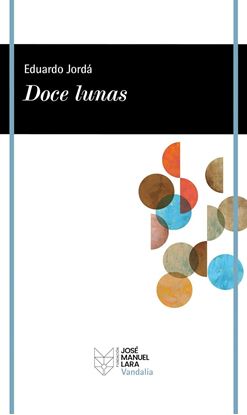
Bajo el título de “Doce lunas”, un poema de la primera época de Eduardo Jordá que sirve para definir una vida de poesía, este volumen ofrece una antología personal en la que cada poema es acompañado por un relato homónimo donde el autor evoca el momento que hizo posible la escritura. No son comentarios ni análisis, sino relatos autónomos que iluminan la gestación del poema y ensanchan su sentido, al revelar la circunstancia de la que partió el poeta. “Un poema ocurre, de repente, sin previo aviso. Vemos algo, o sentimos algo –sin que sepamos muy bien qué es–, y sabemos que ahí hay un poema, que se manifiesta en forma de revelación o epifanía”, escribe Jordá, convencido de que cada poema encierra su propia historia y de que esa historia merece ser contada en una especie de making of. Formada por 55 composiciones en verso y otros tantos relatos asociados, que ven aquí la luz por primera vez, la selección incluye varios poemas inéditos y otros que no han aparecido en volumen exento, sino en revistas y publicaciones sueltas. La relación no sigue un orden cronológico según la fecha de composición o publicación, sino que se estructura según su propia “vida interior”, de acuerdo con el esquema de las doce lunas que da título al libro; dicho de otro modo, los poemas se han agrupado siguiendo la pauta de un ciclo –los meses del año, las fases de la vida– que ya se acerca al final. En realidad, podría decirse que Doce lunas es la autobiografía poética de un autor que no tiene ninguna intención de escribir una autobiografía.
500

500
UN PAIS EXTRANJERO (OF2)
Una trama familiar que alcanza un gran aliento épico para reflejar las turbulencias de la historia española y europea del siglo xx.
En el año 2018, en busca de un clima más soleado y benigno, Primi e Isabelle, un matrimonio belga de clase media, deciden comprar una casa en la Costa Brava catalana. La propiedad, en los alrededores de Tossa de Mar, está muy próxima a un antiguo hotel, Casa Johnstone, que durante la Guerra Civil fue adaptado por sus propietarios como refugio para un nutrido grupo de niños republicanos, algunos de ellos procedentes de Mequinensa, en la Franja catalano-aragonesa. Primi, que es hijo de españoles emigrados a Bélgica en los años sesenta, acaba descubriendo que entre esos niños estuvieron su propio padre y su tío.
500
500
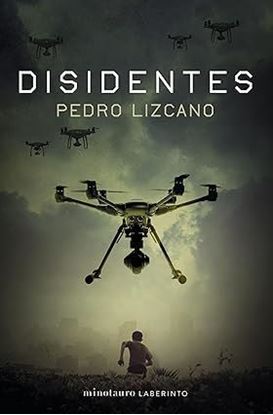
DISIDENTES (OF2)
En un futuro cercano, nada imprevisible ha ocurrido. Al contrario, todo es un poco más frío, más distante. Los ancianos, los sentimientos o la vida de los outsiders valen menos y las fronteras, más.
Esta es la historia de Shasta, hija de un disidente y locutor furtivo de relatos. Ambos construyen emisoras de radio en un taller secreto de su casa. Con ellas realizan incursiones nocturnas y narran historias que forman parte de un plan cuyo propósito completo Shasta desconoce. También es la historia de Matt Scott, director del cuerpo de seguridad de fronteras, el peor enemigo de los disidentes y vecino de Shasta. La trama los unirá en un duelo psicológico de mutuos intereses escondidos en conversaciones íntimas que ninguno elude. La intuición y la inteligencia serán las únicas armas de un juego que poco a poco se intuye fatal.
Disidentes se plantea con todo el suspense de un thriller de ciencia ficción. No obstante, la tensión argumental de esta novela no es su máximo valor, el diseño de su arquitectura permite que asome en la novela una nueva capa más profunda, más vital.
Disidentes está construida por una historia trasversal la cual se ve atravesada por la narración furtiva de diez relatos. Diez relatos de gran fuerza visual, cosidos sobre ella de tal forma que cada uno aporta un eco importante a su paso. En cada narración, el suspense del thriller deja lugar a materias más íntimas. El amor, la vejez, los recuerdos, el concepto del tiempo o del mal flotan en la trama de cada relato y, gracias a ellos, la historia trasversal consigue revelarse en todas sus dimensiones llegando a tomar una entidad y un calado inesperados.
500

500
BAJO LA LUZ DEL ECLIPSE (OF2)
En 1937, Mitxel deja Guernica para unirse al Ejército de Euskadi en la defensa de Bilbao. Poco sabe de una guerra que lo dejará sin madre, sin hermano y sin casa, y que guiará sus pasos hasta Mora de Toledo.
Allí María es la única superviviente de su familia. Nunca olvidará al joven miliciano que le arrancó a su hermano de los brazos. Desde 1937 hasta 1977, de la Guerra Civil a las elecciones generales tras el franquismo, las vidas de Mitxel y María se van entrelazando mientras recorren, sin conseguir olvidar sus pérdidas, su dolor, la historia de un país marcado por un conflicto que todos, de una u otra manera, acabaron perdiendo.
Radio España Independiente, la emisora del PCE en el exilio y la ciudad de Bucarest también serán testigos del dramático acontecer de los dos protagonistas durante la Guerra Fría y el gobierno de Nicolae Ceausescu, cuya policía política, la Securitate, provocará un imprevisto desenlace.
500
500
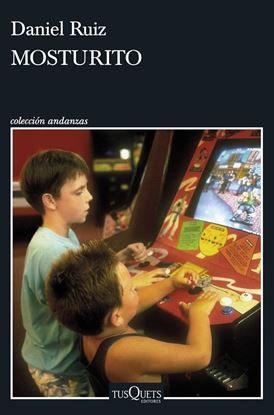
MOSTURITO (OF2)
Un salvaje e inolvidable relato de iniciación con punkis, mansiones encantadas e imágenes de la Virgen aparecidas en la pared.
«Pasen y lean, reirán, llorarán, sentirán ira, dolor, mucho dolor e impotencia…» Natalio Blanco, Diario 16
«Hacía mucho que no leía una novela tan perfecta, con una oralidad tan salvaje y necesaria...» Sonia Fides, El Asombrario
«Qué delicia este Mosturito. Un prodigio de oralidad sevillana de barrio, lleno de dolor, ternura y también risas.» Isaac Rosa
«Esta novela ha entrado en el top ten de mi corazón.» Juan Manuel Gil
«Daniel Ruiz no es solo uno de los escritores más salvajes de España, también es uno de los mejores… Mosturito es una novela excepcional, divertida y, sobre todo, distinta.» Recaredo Veredas, Zenda
«Una inusual y afortunada propuesta expresiva suscitadora de sonrisas que ahuyentan el horror.» Pilar Castro, El Cultural
«Una excelente novela de formación ambientada en los años ochenta.» Iñaki Ezkerra, Diario Vasco
«Daniel Ruiz nos muestra su talento para unir humor y tragedia en una sola línea.» Charo Alonso, Salamanca al Día
«Un lenguaje oral que parece sencillo, cuando es un trabajo de orfebre. Habla un niño como Lazarillo, y su relato es una corriente cristalina con fondo turbio.» Rafael Reig, La Lectura (El Mundo)
«Una narración ágil y fresca que nos decae en ningún momento.» Andrés González-Barba, Abc
«Una novela trufada de un humor mordaz, que infunde al texto un aire de ligereza que funciona como válvula de escape.» Antonio Paniagua, Diario de León
500