
1,450
JUNTO A UN BOSQUE INMENSO
Considerado el novelista revelación del año por los más importantes medios anglosajones y elogiado por autores de la talla de Khaled Hosseini, Leo Vardiashvili firma una ópera prima espectacular con Junto a un bosque inmenso, un relato sobre las andanzas de tres miembros de una familia que, tras años de exilio en el Reino Unido, vuelven a su tierra natal de Georgia. Una historia de pérdida y supervivencia que nos sumerge por completo en la vida de la antigua república soviética, mostrando la entereza y valentía de sus gentes de una manera increíblemente conmovedora.
Saba es sólo un niño cuando, a principios de los noventa, huye de los combates en Georgia con su hermano mayor, Sandro, y su padre, Irakli, en busca de asilo en Inglaterra. Dos décadas después, los tres luchan por reconciliarse con el pasado, atormentados por lo que dejaron atrás. Cuando Irakli regresa a su país, arrastrado por los recuerdos de una esposa perdida y un territorio desolado pero bello, Saba y Sandro esperan con ansia noticias suyas. Pero Irakli desaparece al poco de llegar, y su último mensaje es un misterio. Entonces, Saba decide seguir sus pasos en un viaje que lo llevará al corazón de un conflicto que ha marcado a generaciones y fracturado a su familia. Empeñado en saber qué queda de su tierra y su gente, descubrirá que todos los caminos conducen a secretos escondidos en los inmensos bosques georgianos.
1,450

1,450
LA OFERTA FINAL (THE FINE PRINT 3)
A veces el primer amor solo necesita una segunda oportunidad.
Callahan es el hermano Kane al que todos critican. Para muchos, Cal es un heredero mimado, un atleta fracasado y un alcohólico funcional. Quizá por eso siente que nadie lo conoce de verdad salvo Alana, la chica a la que le rompió el corazón. Después de aquello, Cal prometió no regresar jamás a Lake Wisteria…, hasta que la herencia de su abuelo lo ha obligado a volver. El único requisito, y a priori sencillo, es que debe pasar un verano entero en la casa del lago de la familia antes de venderla. Sin embargo, todo se tuerce cuando descubre que Lana no solo vive en la casa, sino que también asegura ser la dueña.
Alana no debería haberse enamorado nunca de Cal. Él mismo se lo dijo justo antes de destrozar su corazón y su amistad hace casi seis veranos, tras lo que prometió marcharse para siempre. Y seguramente tampoco debería habérselo creído, porque ahora Cal ha regresado con la intención de vender la casa del lago. Sin embargo, hay un inconveniente: la casa también está a nombre de Lana.
1,450

1,450
PUCKING 3. PUCKING SWEET
Mi nombre es Poppy St. James y acabo de conseguir el trabajo de mis sueños como Directora de Relaciones Públicas de los Jacksonville Rays, el equipo más popular de la NHL. Pero, si quiero quedarme, tendré que demostrar que lo merezco. Llevo esta profesión en la sangre, pero controlar a los jugadores de hockey es un verdadero desafío, especialmente al defensa Lukas Novikov.
No me importa lo bien que juegue Lukas al hockey. Fuera del hielo, siempre está encontrando formas de meter a sus compañeros en problemas, especialmente a Colton Morrow, y luego me toca a mí ingeniármelas para sacarlos de ellos. Pueden llamarme PR Barbie todo lo que quieran, pero solo estoy haciendo mi trabajo...
1,450
1,450
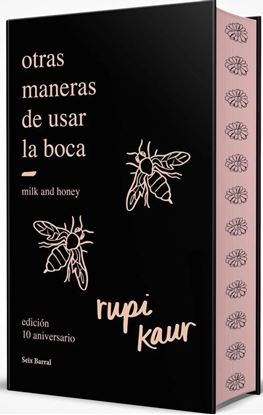
OTRAS MANERAS DE USAR LA BOCA (10 ANV)
amor
pérdida
trauma
abuso
curación
y feminidad
está dividido en cinco capítulos
cada capítulo tiene un fin distinto
trata con un dolor distinto
cura una pena distinta
otras maneras de usar la boca lleva a quien lo lee a través
de un viaje por los momentos más amargos de la vida
y encuentra dulzura en ellos
porque hay dulzura en todas partes
si decides buscarla
otras maneras de usar la boca encumbró a rupi kaur como la voz de toda una generación: su debut se convertiría en el libro de poesía más vendido del siglo XXI y llevó a millones de lectores en un viaje compartido a través de los momentos más emotivos de la vida.
1,450

1,450
HISTORIA DEL REY TRANSPARENTE (N.PROLOGO
En un turbulento siglo XII, Leola, campesina adolescente, desnuda a un guerrero muerto en un campo de batalla y se viste con sus ropas de hierro, para protegerse bajo un disfraz viril. Así comienza el vertiginoso y emocionante relato de su vida, una peripecia existencial que no es sólo la de Leola sino también la nuestra, porque esta novela de aventuras con ingredientes fantásticos nos está hablando en realidad del mundo actual y de lo que todos somos.
1,450
1,450
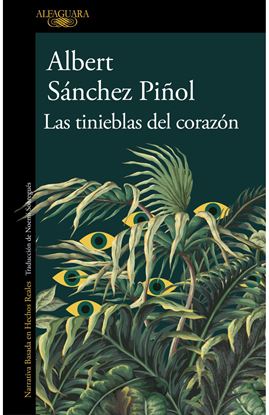
LAS TINIEBLAS DEL CORAZON
Sería difícil encontrar un grupo humano más alejado de nuestra fisonomía y de nuestros patrones culturales que los habitantes de la selva africana mal conocidos como «pigmeos». Están lejos de nosotros y de todo el mundo. Son los exóticos de los exóticos. Homero les da ese nombre a unos seres en la Ilíada, y de sus versos nace uno de los malentendidos más ridículos y perdurables de la historia científica. El poeta se refería a unas criaturas tan fabulosas como nuestros duendes. Sin embargo, el mito siguió vivo, y, a partir del siglo XIX, contra todo pronóstico y empujados por la ciencia, la literatura y la fantasía, muchos exploradores han ido en su busca al corazón de África.
1,450