


1,650
LA NOCHE DE LA VERDAD (1944-1949)
«En esta noche sin igual concluyen cuatro años de una guerra monstruosa y de una lucha indecible en la que Francia bregaba con su vergüenza y su rabia. Quienes nunca perdieron la esperanza ni en sí mismos ni en su país hallan bajo este cielo su recompensa. Esta noche vale sobradamente un mundo, es la noche de la verdad.»
En 1944 Albert Camus ya había publicado El extranjero y El mito de Sísifo, pero fueron sus artículos en Combatlos que lo dieron a conocer y le hicieron emerger como un líder moral e intelectual. Entre el otoño de 1943 y junio de 1947, fue redactor jefe y editorialista de este periódico de la Resistencia. Sus textos nos ofrecen el lúcido testimonio de un periodista consciente de sus responsabilidades tanto durante la ocupación como tras ella, cuando hubo que repensar la vida cotidiana y al mismo tiempo dibujar el futuro de Francia y Europa.
Empeñado en introducir la moralidad en la política, Camus reacciona ante temas y acontecimientos como las deportaciones, la liberación, la justicia para los colaboracionistas, el regreso de los prisioneros de guerra, la escasez de alimentos, el papel de las instituciones internacionales en la posguerra, las injusticias coloniales (y, en particular, el problema de Argelia) y la situación de la prensa.
Más de setenta años después de su publicación, estos textos siguen resultando conmovedores y muy impresionantes, y oímos en ellos la voz apasionada de un escritor dispuesto a participar en la Historia con su intenso afán de justicia, libertad y verdad.
1,650
1,650
1,650
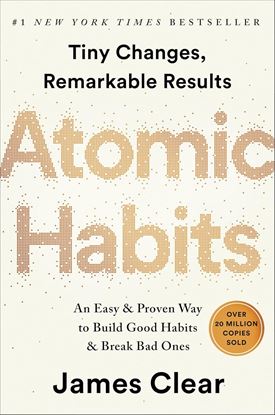
ATOMIC HABITS
No matter your goals, Atomic Habits offers a proven framework for improving every day. James Clear, one of the world's leading experts on habit formation, reveals practical strategies that will teach you exactly how to form good habits, break bad ones, and master the tiny behaviors that lead to remarkable results.
If you're having trouble changing your habits, the problem isn't you. The problem is your system. Bad habits repeat themselves again and again not because you don't want to change, but because you have the wrong system for change. You do not rise to the level of your goals. You fall to the level of your systems. Here, you'll get a proven system that can take you to new heights.
1,650
1,650
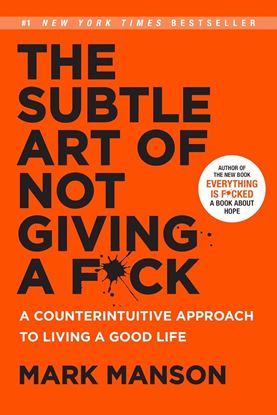
THE SUBTLE ART OF NOT GIVING A F*CK
For decades, we’ve been told that positive thinking is the key to a happy, rich life. "F**k positivity," Mark Manson says. "Let’s be honest, shit is f**ked and we have to live with it." In his wildly popular Internet blog, Manson doesn’t sugarcoat or equivocate. He tells it like it is—a dose of raw, refreshing, honest truth that is sorely lacking today. The Subtle Art of Not Giving a F**k is his antidote to the coddling, let’s-all-feel-good mindset that has infected modern society and spoiled a generation, rewarding them with gold medals just for showing up.
1,650
1,650
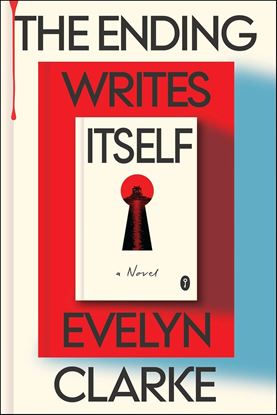
THE ENDIGN WRITES ITSELF
Six authors.
One private island.
Seventy-two hours to write the ending that will change their lives.
Named one of the Most Anticipated Mysteries of 2026 by GoodReads, Marie Claire, and Page Six.
“In the running for the best mystery of 2026. With a trove of tropes that mystery lovers will love, it will remind you, in the best way, of Agatha Christie.”—Stephen King
Arthur Fletch, one of the world’s bestselling novelists, is a reclusive genius known for his iconic protagonists and fiendish twists. When six struggling authors are invited to spend a weekend on his private Scottish island, they arrive to discover a shocking secret: Arthur Fletch is dead . . . and his last book is unfinished.
1,650
1,650
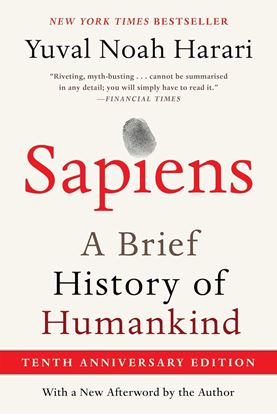
SAPIENS (10 ANV) A BRIEF HISTORY OF HUM.
One hundred thousand years ago, at least six human species inhabited the earth. Today there is just one. Us. Homo sapiens. How did our species succeed in the battle for dominance? Why did our foraging ancestors come together to create cities and kingdoms? How did we come to believe in gods, nations, and human rights; to trust money, books, and laws; and to be enslaved by bureaucracy, timetables, and consumerism? And what will our world be like in the millennia to come?
In Sapiens, Professor Yuval Noah Harari spans the whole of human history, from the very first humans to walk the earth to the radical—and sometimes devastating—breakthroughs of the Cognitive, Agricultural, and Scientific Revolutions. Drawing on insights from biology, anthropology, paleontology, and economics, and incorporating full-color illustrations throughout the text, he explores how the currents of history have shaped our human societies, the animals and plants around us, and even our personalities. Can we ever free our behavior from the legacy of our ancestors? And what, if anything, can we do to influence the course of the centuries to come?
Bold, wide-ranging, and provocative, Sapiens integrates history and science to challenge everything we thought we knew about being human: our thoughts, our actions, our heritage...and our future.
1,650