

1,550
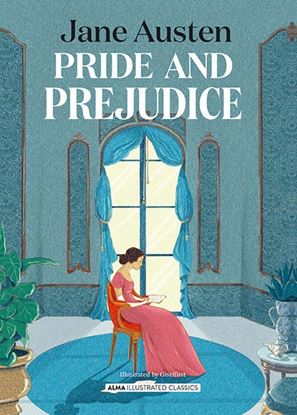
PRIDE AND PREJUDICE (ANNOTATED EDICION)
Jane Austen began writing Pride and Prejudice when she was just twenty years old, though it would not be published until seventeen years later, in 1813. Widely regarded as one of the first romantic comedies in literary history, the novel’s entanglements and misunderstandings are deftly interwoven with a sharp, ironic critique of English society.
Mrs Bennet is determined to secure a prosperous future for her five daughters through advantageous marriages. Her second-eldest, Elizabeth, is just as resolute that Fitzwilliam Darcy – the most arrogant, self-important man she has ever met – will not be one of her suitors. Darcy, in turn, considers Elizabeth an unfit match due to her lower social standing and limited connections. Yet the heart seldom obeys reason, and both are forced to examine their own prejudices in the pursuit of true love.
1,550

1,550
ANDE, ANDE, ANDE, LA MARI MORENA
Porque la Navidad no es lo que tenemos, sino a quien tenemos. Edición especial con cantos tintados.
A María, una morenaza de bandera con mucho carácter, le encanta la ropa buena, los viajes de lujo y los hoteles de varias estrellas y algún cometa. Su vida va viento en popa. Tiene un novio banquero inversionista, dos hermanos, dos buenas amigas, una perrita preciosa… y lo que más le gusta es trabajar en la empresa familiar de joyería fundada por su abuelo.
Nicolás es un veterinario que tuvo que dejar su vida glamurosa para instalarse en una granja en Galicia y cuidar a sus tres sobrinos. Es evidente que necesita ayuda con los niños, especialmente con Eva, la mayor, con quien tiene muchos problemas.
María y Nicolás no pueden ser más diferentes. Pero cuando a ella de un día para otro el mundo se le pone del revés y decide hacer un viaje, sus caminos se cruzan. Porque cuando el destino mueve sus hilos (algo que la Navidad propicia, ¡y de qué forma!), ellos solo pueden dejarse llevar…
No te pierdas la nueva novela de Megan Maxwell.
¿Estás preparado para volver a creer en la magia de la Navidad?
1,550
1,550
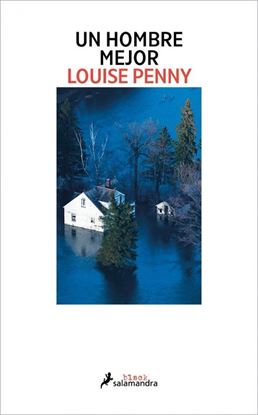
UN HOMBRE MEJOR
Mientras las lluvias torrenciales azotan Three Pines y el nivel del río Bella Bella no para de crecer amenazando con destruirlo todo, Armand Gamache regresa a la Sûreté du Québec, bajo la dirección de su yerno y ex teniente Jean-Guy Beauvoir, tras una dura suspensión de nueve meses. Pero ahora debe encarar una doble crisis: una catástrofe natural que pone en jaque a toda la provincia y la inquietante desaparición de Vivienne Godin, una mujer embarazada de veinticinco años. El principal sospechoso es su marido, un hombre violento y alcohólico, que se muestra indiferente ante la ausencia de su esposa. Mientras la prensa ataca sin descanso a Gamache, cuestionando su liderazgo y complicando una investigación que avanza con lentitud bajo la presión de la tormenta y el caos, la búsqueda de Vivienne se vuelve para él un asunto personal: la joven tiene la misma edad que su propia hija, y un oscuro presentimiento le dice que no se trata sólo de una desaparición, sino de un asesinato. Así que Gamache hará todo lo que esté en su mano para descubrir al culpable, aunque eso signifique enfrentarse a sus propios fantasmas y a sus muchos enemigos, tanto dentro como fuera de la ley.
Mejor novela negra del año según The Sunday Times y nominada a los prestigiosos premios Agatha, Un hombre mejor es un misterio explosivo y sumamente adictivo, en el que destacan la culpa, el perdón y la redención como ejes morales de la trama, y un Armand Gamache que, con su lucidez e integridad habituales, sigue inspirando tanta confianza en sus allegados como preocupación entre los corruptos.
1,550
1,550
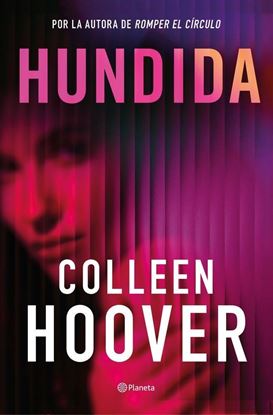
HUNDIDA
NO HAY MEJOR PLOT TWIST QUE LA VERDAD❗
Sus palabras solían causar absoluta devoción, pero una reacción viral en contra de su última adaptación cinematográfica obliga a la escritora Petra Rose a tomarse un descanso. Señalada como un fraude y como una oportunista hambrienta de fama, Petra aprende de la peor manera lo que sucede cuando internet se vuelve en tu contra, y desde entonces pierde toda inspiración para escribir.
Ahora, con su próxima novela de suspense esbozada y los ahorros casi agotados, Petra se refugia en una cabaña aislada junto a un lago, con la esperanza de volver a escribir. Es el último intento por salvar su carrera… y a sí misma.
Entonces, aparece él. El detective Nathaniel Saint y su presencia encienden en ella una creatividad que creía apagada. Las palabras regresan y, poco a poco, Saint se convierte en su musa. Pero juntos se verán envueltos en un juego peligroso, uno en el que se desdibujan las líneas entre ficción y realidad. Cuando Saint comienza a tomarse su papel en la carrera de Petra demasiado en serio, ella se ve obligada a enfrentarse al caos que ha creado si quiere recuperar su reputación.
1,550

1,550
LLAMAS (BOMBEROS SKY RIDGE 2) (CANTOS)
UN AMOR IMPOSIBLE DE APAGAR.
No he visto a Violette Taylor en años. Tampoco la he olvidado. Ahora ha vuelto al pueblo para quedarse y trabajar como enfermera en la unidad de quemados en la que, por accidente, termino ingresado.
Tal vez sea el destino… aunque Violette hace todo lo posible por mantenerse alejada de cualquiera que le recuerde su pasado, especialmente de mí. Antes yo era Rowan para ella. Ahora soy solo King, el hombre que le rompió el corazón, pero no por las razones que ella cree.
La vida rara vez da segundas oportunidades. Y si esta es la mía para arreglar las cosas, voy a aprovecharla.
¿Permitimos que las llamas vuelvan a arder o las dejamos extinguirse?
1,550
1,550
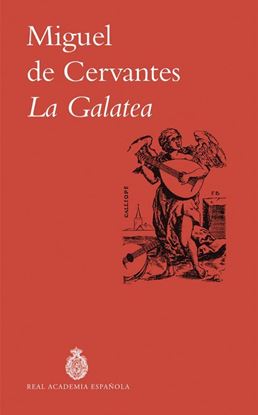
LA GALATEA (TB) (RAE)
La Galatea es, al mismo tiempo, un homenaje a la novela pastoril, cuyos rasgos temáticos y estructurales le sirven de sustento básico, y una protesta contra las limitaciones o convenciones acomodaticias con que sus antecesores la habían cultivado.
La obra narra las desventuras amorosas de varios pastores idealizados en un entorno bucólico. La historia gira en torno a Galatea, una bella y virtuosa pastora que es cortejada por varios pastores, especialmente Elicio y Erastro, aunque ella prefiere mantenerse libre. A través de diálogos, poemas y relatos intercalados, Cervantes explora temas como el amor no correspondido, la amistad, la libertad personal y la belleza.
1,550