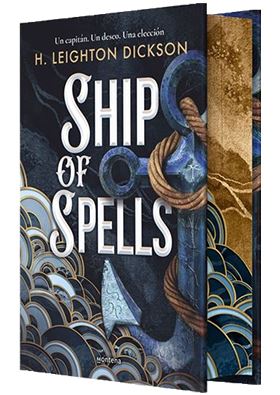



1,550
SUNLIGHT
SOLO SE NECESITA UNA NOCHE PARA CAMBIAR DOS VIDAS
Conocí a Jax Haven en mi primer día en Montana. Era el desconocido más guapo que había visto en mi vida y, tras intervenir en la disputa en el supermercado que muy a mi pesar estaba protagonizando, me sonrió y me invitó a salir como si fuese lo más natural del mundo. Estuve tentada de aceptar… hasta que me dijo su nombre. Entonces hice lo que cualquier mujer sensata haría: rechazarle y fingir que no lo conocía cuando al día siguiente me incorporé como la nueva gerente del Rancho Haven River.
Jax no es mi jefe, pero sí uno de los dueños del rancho y una distracción que no puedo permitirme. Así que me concentro en mi trabajo, en mi rutina, en cualquier cosa que no sean sus hipnóticos ojos o esa sonrisa encantadora. Me prohíbo pensar en lo bien que le quedan los tejanos gastados o en lo increíblemente atractivo que está con ese maldito sombrero vaquero.
Todo iba según lo previsto hasta la fiesta de fin de año, cuando el champán me hizo bajar la guardia y acabar en su cama. Ahora ya no puedo seguir ignorando a Jax Haven, no con un bebé en camino.
1,550

1,550
UN HOMBRE MEJOR
Mientras las lluvias torrenciales azotan Three Pines y el nivel del río Bella Bella no para de crecer amenazando con destruirlo todo, Armand Gamache regresa a la Sûreté du Québec, bajo la dirección de su yerno y ex teniente Jean-Guy Beauvoir, tras una dura suspensión de nueve meses. Pero ahora debe encarar una doble crisis: una catástrofe natural que pone en jaque a toda la provincia y la inquietante desaparición de Vivienne Godin, una mujer embarazada de veinticinco años. El principal sospechoso es su marido, un hombre violento y alcohólico, que se muestra indiferente ante la ausencia de su esposa. Mientras la prensa ataca sin descanso a Gamache, cuestionando su liderazgo y complicando una investigación que avanza con lentitud bajo la presión de la tormenta y el caos, la búsqueda de Vivienne se vuelve para él un asunto personal: la joven tiene la misma edad que su propia hija, y un oscuro presentimiento le dice que no se trata sólo de una desaparición, sino de un asesinato. Así que Gamache hará todo lo que esté en su mano para descubrir al culpable, aunque eso signifique enfrentarse a sus propios fantasmas y a sus muchos enemigos, tanto dentro como fuera de la ley.
Mejor novela negra del año según The Sunday Times y nominada a los prestigiosos premios Agatha, Un hombre mejor es un misterio explosivo y sumamente adictivo, en el que destacan la culpa, el perdón y la redención como ejes morales de la trama, y un Armand Gamache que, con su lucidez e integridad habituales, sigue inspirando tanta confianza en sus allegados como preocupación entre los corruptos.
1,550

1,550
ANDE, ANDE, ANDE, LA MARI MORENA
Porque la Navidad no es lo que tenemos, sino a quien tenemos. Edición especial con cantos tintados.
A María, una morenaza de bandera con mucho carácter, le encanta la ropa buena, los viajes de lujo y los hoteles de varias estrellas y algún cometa. Su vida va viento en popa. Tiene un novio banquero inversionista, dos hermanos, dos buenas amigas, una perrita preciosa… y lo que más le gusta es trabajar en la empresa familiar de joyería fundada por su abuelo.
Nicolás es un veterinario que tuvo que dejar su vida glamurosa para instalarse en una granja en Galicia y cuidar a sus tres sobrinos. Es evidente que necesita ayuda con los niños, especialmente con Eva, la mayor, con quien tiene muchos problemas.
María y Nicolás no pueden ser más diferentes. Pero cuando a ella de un día para otro el mundo se le pone del revés y decide hacer un viaje, sus caminos se cruzan. Porque cuando el destino mueve sus hilos (algo que la Navidad propicia, ¡y de qué forma!), ellos solo pueden dejarse llevar…
No te pierdas la nueva novela de Megan Maxwell.
¿Estás preparado para volver a creer en la magia de la Navidad?
1,550

1,550
MEDEA ME CANTO UN CORRIDO
Medea me cantó un corrido es la deslumbrante nueva obra de Dahlia de la Cerda, tras el éxito apabullante obtenido en México con Perras de reserva y Desde los zulos. La autora crea un paisaje literario único, característico de su estilo original, donde las protagonistas se enfrentan a situaciones límite, inmersas en un fuego cruzado entre la violencia del crimen organizado, el Ejército y los conflictos de padres, familias o parejas provenientes de estos entornos. Sin embargo, como dice una de ellas parafraseando a Sartre: «No somos lo que hicieron de nosotras, sino lo que hacemos con lo que hicieron de nosotras». Por fortuna, en esta ocasión contarán con la ayuda de Medea, el personaje mitológico, que aparecerá «toda vestida de negro, con unas trenzas africanas muy perritas» para auxiliar a las protagonistas, ya sea en abortos o en el término de relaciones abusivas similares a la que ella vivió con Jasón. En estas páginas conviven situaciones delirantes y sumamente divertidas que discurren en compañía de una banda sonora de fondo plagada de corridos tumbados, cumbias, y ritmos de perreo. Dahlia de la Cerda se sirve de un lenguaje propio, música y humor negro para compartir con sus lectoras la existencia de las memorables protagonistas que habitan esta historia.
1,550

1,550
A LA DERIVA CONTIGO
Lo único que Lexi quiere es vivir una noche loca con un desconocido. Zeke, por el contrario, lo que busca es amor. Cuando se conocen en un pub y saltan chispas entre ellos, un beso los conduce a otro, y a otro... y, finalmente, al puerto.
A la mañana siguiente, aún con resaca y todavía en shock por la noche increíble que acaba de vivir, Lexi está lista para que Zeke se marche. Sin embargo, hay un problema: la corriente ha arrastrado mar adentro la casa flotante en la que se alojaron.
Y, conforme las provisiones empiezan a escasear y el oleaje se intensifica, Zeke y Lexi no tardarán en darse cuenta de que se están jugando mucho más que el corazón.
1,550
1,550
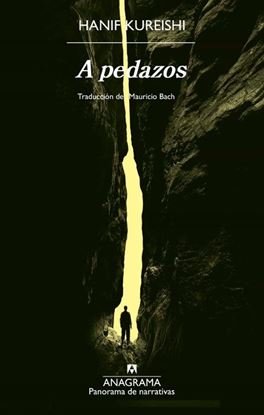
A PEDAZOS
En la Navidad de 2022, mientras pasaba las vacaciones en Roma con su pareja, Isabella, Hanif Kureishi sufrió un desvanecimiento y se desplomó. Al recuperar la consciencia se encontró en el suelo, rodeado de un charco de sangre, y no tardó en descubrir que era incapaz de moverse. Una vez en el hospital, los médicos confirmaron que había quedado parapléjico. Este libro testimonial —que es mucho más que un libro testimonial— está escrito en forma de despachos de urgencia, o como entradas de un diario dictado durante su estancia en varios hospitales, primero en Roma y después, ya de vuelta a casa, en Londres.
Una escritura fragmentaria, a pedazos, en la que el autor relata su dura realidad diaria, su completa dependencia de los demás, la difícil asimilación de su nuevo estado, las sesiones de fisioterapia con las que recuperar algo de sensibilidad y movilidad en las extremidades, la relación con el personal médico, la incipiente amistad con otros pacientes y las tenues esperanzas ante cada pequeño signo de posible mejoría. Kureishi, sin embargo, no se limita a sentar acta de su día a día hospitalario, que cuenta sin paños calientes, sino que también evoca su infancia, el descubrimiento de la literatura, los primeros trabajos en el mundo del teatro, la fama que le llevó a visitar Hollywood nominado al Óscar por el guión de Mi hermosa lavandería, sus aventuras sexuales o la amistad con autores como Salman Rushdie.
Estas páginas, llenas de jugosas reflexiones sobre el oficio y el sentido de la escritura como acto creativo, se convierten para él en un arma de combate: un modo de asimilar y al mismo tiempo rebelarse contra su situación. Constituyen un relato testimonial e íntimo, pero también una nueva muestra de la prosa vívida y visceral de Kureishi, que no rehúye lo carnal y lo escatológico. Un libro sincero, desgarrador, conmovedor. La escritura como salvavidas.
1,550