

1,450
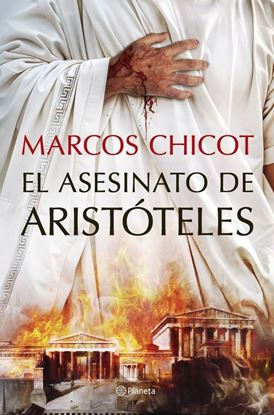
EL ASESINATO DE ARISTOTELES
Cuando los dioses callan y los reyes mueren, la historia la escriben los que sobreviven. Un thriller lleno de conspiración, pasión y peligro.
Aristóteles es el filósofo más prestigioso de Grecia y el maestro de Alejandro Magno, el conquistador invencible que ha sometido todas las ciudades griegas y la mayor parte del mundo conocido. La relación de Aristóteles con el poderoso rey hace que muchos atenienses deseen acabar con él, pero el aura de Alejandro lo protege.
Sin embargo, eso está a punto de cambiar.
En medio de una época que llega a su fin, el ateniense Prometeo y la espartana Penélope se ven arrastrados por los peligros que se ciernen sobre Aristóteles. Mientras luchan por sobrevivir, la sombra de un antiguo secreto alterará sus destinos en un mundo que comienza a desmoronarse.
1,450
1,450
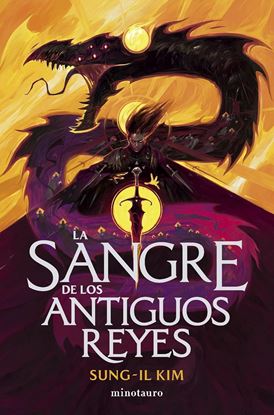
EL IMPERIO SANGRIENTO (1) LA SANGRE DE
En un Imperio gobernado por la nigromancia, los hechiceros muertos son la fuente de su poder. Sus cadáveres son encadenados y drenados de su magia para alimentar el insaciable deseo de conquista imperial.
Arienne nació con magia y ha aceptado su oscuro destino. Sin embargo, cuando empieza a oír en su mente la voz de un hechicero muerto hace mucho tiempo, escucha atentamente. Quizás haya otro futuro para ella, si está dispuesta a luchar por él.
A kilómetros de distancia, bajo un volcán, un dragón de siete ojos también lleva las cadenas del Imperio. Antes de la opresión imperial, era el guardián sagrado de su pueblo. Loran, una espadachina viuda, es la primera en arrodillarse ante el dragón en décadas. Llega con una súplica desesperada y se marcha con una espada forjada con el colmillo del dragón y un propósito que cambiará su destino.
En el corazón de la capital imperial, Caine es conocido como un hombre que hace que las cosas sucedan. Cuando su mejor amiga y mentora es asesinada, no dejará piedra sin remover para encontrar a los responsables, aunque eso signifique provocar una guerra.
1,450
1,450
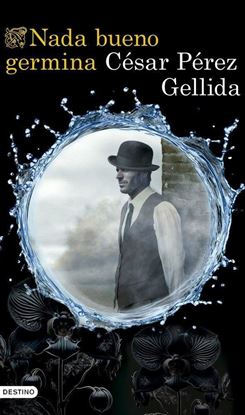
NADA BUENO GERMINA
En los años convulsos de la España de principios del siglo xx, mientras el país se desangra entre el hambre, la violencia y la amenaza de una epidemia, Sebastián Costa y Antonia Monterroso huyen hacia delante, atravesando Jaén, Córdoba, Madrid y Valladolid con la promesa de un futuro al otro lado del Atlántico. Él, un veterano de guerra convertido en atracador; ella, una mujer forjada en la supervivencia y la ambición. Juntos forman una alianza marcada por la sed de riqueza, la desconfianza y un deseo tan intenso como peligroso.
Pero las deudas con el pasado nunca quedan saldadas. En su camino han dejado cadáveres, enemigos y un rastro de sangre que otros están decididos a seguir. Entre la persecución de quienes ansían verlos caer y las grietas que se abren entre ellos, la duda se cierne sobre su vida: ¿hasta dónde estarán dispuestos a llegar para ser libres? Porque en un mundo donde la violencia echa raíces y la redención es solo un espejismo, pronto descubrirán que bajo tierra seca nada bueno germina.
1,450

1,450
NOVIEMBRE SIN VIOLETAS
Lorenzo Silva narra la historia de un hombre que huye de su destino.
Juan Galba se cree a salvo en su tranquilo empleo en un balneario. Hace ya una década que disolvió la sociedad criminal que formaba con su gran amigo, Pablo Echevarría, muerto en extrañas circunstancias. Pero un día se presenta en el balneario Claudia Artola, la viuda de este. Lleva consigo unas cartas que obligarán a Juan a volver, muy a su pesar, a los manejos ilícitos. Por una lealtad no exenta de culpa, deberá proteger a Claudia de una implacable persecución y resolver un escabroso crimen. Pero lo que Juan no sospecha es que tras la sucesión de cadáveres y asesinos, se perfila una venganza perfectamente trabada.
Una apasionante, vertiginosa y original novela policíaca en la que el enigma encuentra al detective y no al revés. Desde la misma premisa, nada es lo que parece y los personajes casi nunca muestran su verdadero rostro. Una reflexión sobre la absolución que quizá merezca toda acción humana y sobre la condena que pesa, por el contrario, sobre sus consecuencias.
1,450

1,450
EL AMOR QUE PASA
Pensaron que sería una historia de amor imposible. Y se convirtió en un amor eterno.
Cuando su madre muere, la narradora de este libro descubre una caja con cartas que llevan décadas esperándola. Contienen una historia de amor inesperada ―la de sus padres, Antonio y Claudina― y también el retrato de una época, de dos familias ―la de él, andaluza; la de ella, barcelonesa― y de un país en plena transformación.
Care Santos se embarca en la indagación y la reconstrucción íntima y literaria de un universo que es el suyo, pero a la vez le es muy ajeno, al tiempo que reflexiona sobre la naturaleza del amor, del destino y de la herencia que recibimos de nuestros seres queridos. ¿De qué nos enamoramos? ¿Qué precio pagamos por amor? ¿Qué poder tienen sobre nosotros los sentimientos?
1,450

1,450
MIENTRAS RESPIRES ESTAS A TIEMPO
A sus treinta y tres años, la vida de Eva se detiene. Lo único que puede salvarla es un trasplante de corazón, pero dispone de muy pocos días para conseguirlo. Poco tiempo para su cuerpo, que se debilita, mucho tiempo para su mente, que se fortalece.
Aislada y en completa soledad, Eva solo se tiene a sí misma, una libreta y un lápiz. Entonces comienza a escribir cartas a quienes culpa de su malestar: sus ex.
Y mientras escribe, se da cuenta de que en la quietud mental encuentra las respuestas a las preguntas que la han acechado toda su vida; que cada palabra tiene consecuencias, y cada silencio también; que la cura para el mal de amores está en la soledad, y que no es lo mismo vivir que sentirse viva.
1,450