


1,450
1,160
TAMAYURA
Tamayura contiene diez relatos con historias que se entrelazan, a veces porque los protagonistas comparten el mismo nombre, otras por su carácter sutilmente sobrenatural, y casi siempre porque tienen el amor —y el dolor que nace de él— como tema central. Cada uno de ellos fue publicado primero en revistas literarias entre 1951 y 1956, años en los que la pobreza y la desolación de un Japón en ruinas traumatizaron a una generación abatida por la derrota en la Segunda Guerra Mundial.
En estos relatos, como en muchas de las obras posteriores de Yasunari Kawabata, la guerra y la rendición de su país marcan un antes y un después en la vida de los personajes, y son hechos históricos que están omnipresentes como telón de fondo. El propio autor los seleccionó para su publicación en esta antología que ve la luz por primera vez en castellano.
Maestro en el arte de desvelar lo extraordinario en lo ordinario, «leer a Yasunari Kawabata es como experimentar un haiku en forma de prosa: conciso, evocador y profundamente conmovedor» (The Independent). Uno de los grandes autores nipones del siglo xx y el primero en recibir el Premio Nobel, «su literatura actúa como un puente entre los paisajes serenos de Japón y las complejidades universales del corazón humano» (The Washington Post).
1,450
1,160

1,450
1,160
CREDENCE
El amor es un tabú que no conoce reglas.
A Tiernan de Haas ya no le importa nada ni nadie. Hija única de un productor de cine y de su famosa esposa, ha crecido rodeada de riqueza y privilegios, pero sin amor ni un hogar de verdad.
Cuando sus padres fallecen de repente, sabe que debería estar devastada. Pero ¿ha cambiado algo realmente? Al fin y al cabo, siempre ha estado sola.
Jake Van der Berg, el hermanastro de su padre y su único pariente vivo, asume la tutela de Tiernan, a quien todavía le faltan dos meses para cumplir los dieciocho años. Tiernan es enviada a vivir con él y sus dos hijos, Noah y Kaleb, en las montañas de Colorado.
Lejos del resto del mundo, mientras los tres la toman bajo su protección y la enseñan a trabajar y sobrevivir en los bosques remotos, ella encuentra su lugar entre ellos… Las líneas se difuminan y las reglas se vuelven fáciles de romper cuando nadie más está mirando.
Uno de ellos la tiene.
El otro la desea.
Pero él... Él la hará suya para siempre.
1,450
1,160

1,450
1,160
ACTUALIZACION
Logan Ramsay es el siguiente paso en la evolución humana.
Al principio no tiene claro qué ha cambiado. Solo nota detalles puntuales: se concentra mejor, es capaz de hacer más cosas a la vez, lee muy rápido, su memoria ha aumentado y no necesita las mismas horas de sueño. Poco a poco, es innegable: a su cerebro le está pasando algo. Y a su cuerpo. Ha empezado a ver el mundo y a quienes lo rodean de un modo completamente nuevo. La verdad es que el genoma de Logan ha sufrido un hackeo. Y hay una razón por la que ha experimentado esta actualización, una razón que se remonta a un horrible legado familiar. Lo que le está sucediendo es solo el inicio de un proyecto mucho más grande, y para hacerle frente Logan tendrá que usar sus nuevas habilidades y transformarse en algo más que él mismo. Quizás incluso en algo más que un ser humano. Pero en el proceso no puede evitar preguntarse: ¿y si en realidad la única esperanza de la humanidad consiste en diseñar nuestra propia evolución? Íntima y épica a la par, Actualización es la nueva novela del galardonado autor de Materia oscura, una historia frenética sobre los límites de la humanidad y sobre nuestro potencial ilimitado.
1,450
1,160

1,450
1,160
LLAMADA PERDIDA
Lo cierto es que nunca he podido narrar –ni opinar– desde un lugar discreto, nunca he podido hacerme invisible, y para ser sincera tampoco lo he intentado. Amo la realidad que desenmascaramos en cada uno de nuestros actos. Amo la voluntad de asombro.
Creo que lo más honesto que puedo hacer literariamente es contar las cosas como las veo, sin artificios, sin disfraces, sin filtros, sin mentiras, con mis prejuicios, obsesiones y complejos, con las verdades en minúscula y por lo general sospechosas. Hacerlo de otra manera seria presuntuoso por mi parte. Estaría engañándome y engañándolos».
1,450
1,160
1,450
1,160
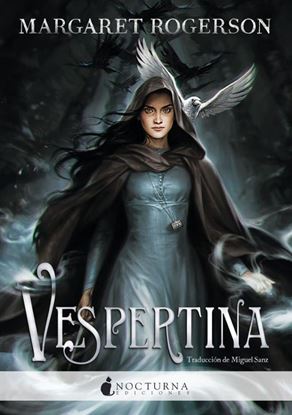
VESPERTINA
Los muertos de Loraille no descansan. Artemisia se está preparando para unirse a las hermanas grises, encargadas de purificar a los fallecidos para que sus almas sigan adelante; de lo contrario, sus espíritus despiertan con un hambre voraz por los vivos. Ella prefiere tratar con los muertos, que a diferencia de los vivos nunca hacen comentarios sobre su turbio pasado. Cuando su convento sufre un ataque, Artemisia lo defiende despertando a un antiguo espíritu vinculado a una reliquia. Es un renacido, un ser malévolo que amenaza con poseerla en cuanto baje la guardia. La muerte ha llegado a Loraille, y solo una vespertina (una sacerdotisa entrenada para controlar una gran reliquia) puede aspirar a detenerla. Pero los conocimientos de las vespertinas hace mucho que se perdieron, por lo que a Artemisia no le queda más opción que recurrir al único que puede saber algo: el mismísimo renacido. Mientras su vínculo con el renacido se fortalece entre secretos y magia, un mal oculto comienza a surgir. Y enfrentarse a él puede requerir que traicione todo en lo que cree... si es que el renacido no la traiciona primero.
1,450
1,160

1,450
1,160
MIENTRAS RESPIRES ESTAS A TIEMPO
A sus treinta y tres años, la vida de Eva se detiene. Lo único que puede salvarla es un trasplante de corazón, pero dispone de muy pocos días para conseguirlo. Poco tiempo para su cuerpo, que se debilita, mucho tiempo para su mente, que se fortalece.
Aislada y en completa soledad, Eva solo se tiene a sí misma, una libreta y un lápiz. Entonces comienza a escribir cartas a quienes culpa de su malestar: sus ex.
Y mientras escribe, se da cuenta de que en la quietud mental encuentra las respuestas a las preguntas que la han acechado toda su vida; que cada palabra tiene consecuencias, y cada silencio también; que la cura para el mal de amores está en la soledad, y que no es lo mismo vivir que sentirse viva.
1,450
1,160