1,100
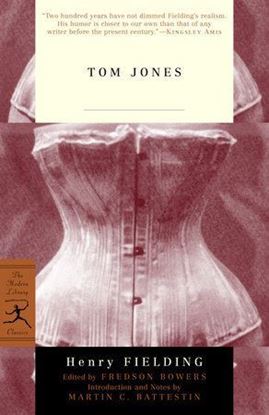
TOM JONES
Tom, a foundling, is discovered one evening by the benevolent Squire Allworthy and his sister Bridget and brought up as a son in their household; when his sexual escapades and general misbehavior lead them to banish him, he sets out in search of both his fortune and his true identity. Amorous, high-spirited, and filled with what Fielding called “the glorious lust of doing good,” but with a tendency toward dissolution, Tom Jones is one of the first characters in English fiction whose human virtues and vices are realistically depicted. This edition is set from the text of the Wesleyan Edition of the Works of Henry Fielding.
1,100
1,100
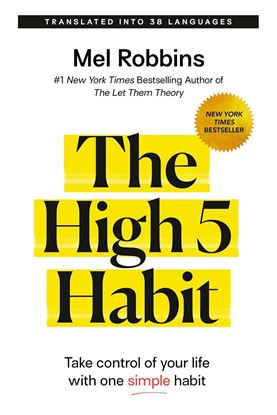
THE HIGH 5 HABIT
Don't let the title fool you. This isn't a book about high fiving everyone else in your life. You're already doing that. Cheering for your favorite teams. Celebrating your friends. Supporting the people you love as they go after what they want in life.
Imagine if you gave that same love and encouragement to yourself. Or even better, you made it a daily habit.
You'd be unstoppable.
In this encouraging book, Mel teaches you how to start high fiving the most important person in your life, the one who is staring back at you in the mirror: YOURSELF.
1,100
1,100
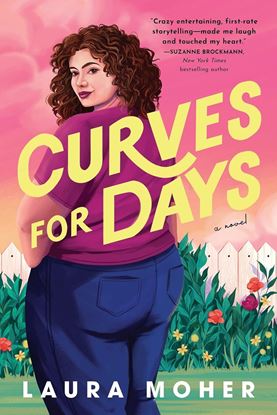
CURVES FOR DAYS
Rose Barnes has got curves for days―and to Angus Drummond, the big, bearded contractor working on her new house, she's the perfect thorn in his side. Little does she know Angus is perturbed on a daily basis by his attraction to this cheery, smart-ass woman with her sunshiny enthusiasm, her kindness, and her beautiful body.
Angus feels he has a debt to pay to the world and doesn't deserve love until he pays it. Best to keep his mind on his work and his hands to himself. But the more Rose sees of Angus's gruff, honorable thoughtfulness, and the more rusty laughter she surprises from him, the more she wants him too.
As their unlikely friendship becomes love, antagonism turns to partnership, and Rose's house becomes a home. But Rose is keeping a secret that could blow up everything with Angus, and sure enough, it comes to light at the worst possible time...
1,100
1,100
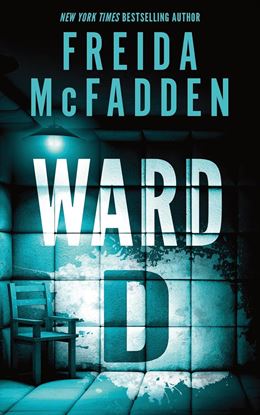
WARD D
As the hours tick by, Amy grows increasingly convinced something terrible is happening within the ward's tightly secured walls. When patients and staff start to vanish without a trace, it becomes clear that everyone on the unit is in grave danger.
Amy never wanted to spend the night on Ward D. Now she might not make it out alive.
1,100

1,100
THE TENANT
Blake Porter is riding high, until he's not. Fired abruptly from his job as a VP of marketing and unable to make the mortgage payments on the new brownstone he shares with his fiancée, he's desperate to make ends meet.
Enter Whitney. Beautiful, charming, down-to-earth, and looking for a room to rent. She's exactly what Blake's looking for. Or is she?
Because something isn't quite right. The neighbors start treating Blake differently. The smell of decay permeates his home, no matter how hard he scrubs. Strange noises jar him awake in the middle of the night. And soon Blake fears someone knows his darkest secrets...
1,100
![Imagen de THE BLACK PHONE [MOVIE TIE-IN]](https://www.cuestalibros.com/content/images/thumbs/0160397_the-black-phone-movie-tie-in_415.jpeg "Mostrar detalles de THE BLACK PHONE [MOVIE TIE-IN]")
1,100
THE BLACK PHONE [MOVIE TIE-IN]
Jack Finney is thirteen, alone, and in desperate trouble. For two years now, someone has been stalking the boys of Galesberg, stealing them away, never to be seen again. And now, Finney finds himself in danger of joining them: locked in a psychopath’s basement, a place stained with the blood of half a dozen murdered children.
With him in his subterranean cell is an antique phone, long since disconnected . . . but it rings at night anyway, with calls from the killer’s previous victims. And they are dead set on making sure that what happened to them doesn’t happen to Finney.
1,100

1,100
DEL SENTIMIENTO TRAGICO DE LA VIDA (BOL)
Unamuno no es únicamente uno de los personajes literarios más destacados de nuestra literatura, sino que, además, también se le considera un filósofo crucial que se convirtió en una destacada figura del pensamiento existencialista. El presente volumen reúne tres de las obras filosóficas más importantes de Unamuno. En Vida de Don Quijote y Sancho (1905) ofrece una exégesis en clave filosófica de la gran obra de Miguel de Cervantes y que pondría las bases de su pensamiento existencialista desarrollado en Del Sentimiento Trágico de la vida (1912) y La Agonía del cristianismo (1925). En estas dos obras, Unamuno reflexiona acerca del sentido de la vida, la moral y la religión, la razón y las pasiones, así como el pensamiento científico.
1,100

1,100
CRONICA DEL PAJARO QUE DA ..(BOL)
Crónica del pájaro que da cuerda al mundo: El joven Tooru Okada, que acaba de dejar su trabajo en un bufete de abogados, recibe un día la llamada anónima de una mujer. A partir de ese momento, la existencia de Tooru sufre una extraña transformación. Su mujer desaparece, comienzan a surgir a su alrededor misteriosos personajes, y lo real se degrada hasta cobrar tintes fantasmagóricos. Mientras los sueños invaden cada vez más la realidad, Tooru Okada deberá resolver conflictos que ha arrastrado a lo largo de toda su vida. Haruki Murakami (Kioto, 1949) es el escritor japonés que, en la actualidad, goza de mayor prestigio, tanto en su país como en el exterior. Ha recibido numerosos premios y ha traducido al japonés a autores como Salinger, Carver o Scott Fitzgerald. Tusquets Editores ha publicado, entre otros títulos, sus novelas Al sur de la frontera, al oeste del Sol, Tokio blues (Norwegian Wood) y Kafka en la orilla. Su original universo literario alcanza sus cotas más altas en Crónica del pájaro que da cuerda al mundo, una de sus obras más emblemáticas.
1,100
1,100
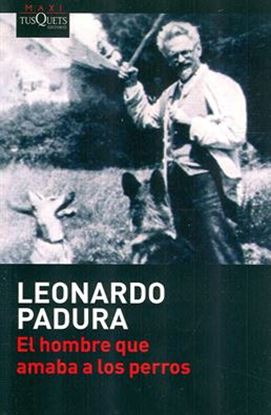
EL HOMBRE QUE AMABA A LOS PERROS (BOL)
El hombre que amaba a 1os perros: Iván, aspirante a escritor y ahora responsable de un paupérrimo gabinete de veterinaria de La Habana, recuerda sus encuentros con un solitario personaje que solía pasear por la playa en compañía de dos galgos. Gracias a las confidencias de ese hombre, Iván puede reconstruir las trayectorias vitales de León Trotski y de su célebre asesino, Ramón Mercader, y de cómo se convirtieron en víctima y verdugo de uno de los crímenes más reveladores de la historia.
Leonardo Padura (La Habana, 1955) ha publicado ensayos, cuentos y novelas. Es conocido sobre todo por la serie de novelas policiacas protagonizadas por el detective Mario Conde, merecedoras de premios como el Café Gijón 1995, el Premio de las Islas 2000 y el Premio Hammett 2005. Finalista del Premio Libro del Año 2009 de los libreros madrileños, y traducida a varias lenguas, El hombre que amaba a los perros es una apasionante novela sobre dos personajes muy singulares y, al mismo tiempo, una inquietante indagación histórica en las razones por las que se pervirtió la gran utopía del siglo xx.
1,100