

1,300
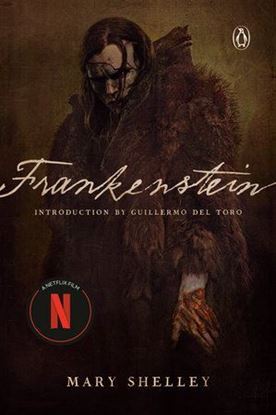
FRANKENSTEINS (NETFLIX TIE-IN)
Obsessed with creating life, Victor Frankenstein plunders graveyards for the material to fashion a new being, which he shocks into life with electricity. But his botched creature, rejected by Frankenstein and denied human companionship, sets out to destroy his maker and all that he holds dear. This chilling gothic tale, begun when Mary Shelley was just nineteen years old, would become the world’s most famous work of horror fiction, and is now the inspiration of a film adaptation written and directed by Guillermo del Toro and starring Oscar Isaac, Jacob Elordi, and Mia Goth.
1,300
1,300
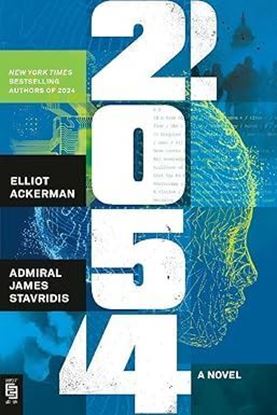
2054
It is twenty years after the catastrophic war between the United States and China that brought down the old American political order. A new party has emerged in the US, one that’s held power for over a decade. Efforts to cement its grip have resulted in mounting violent resistance. The American president has control of the media, but he is beginning to lose control of the streets. Many fear he’ll stop at nothing to remain in the White House. Suddenly, he collapses in the middle of an address to the nation. After an initial flurry of misinformation, the administration reluctantly announces his death. A cover-up ensues, conspiracy theories abound, and the country descends into a new type of civil war.
1,300
1,300
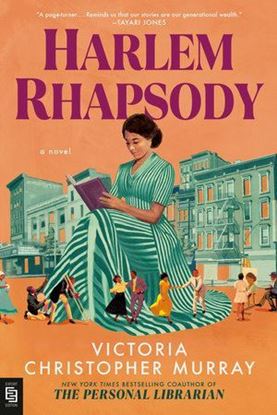
HARLEM RHAPSODY
In 1919, a high school teacher from Washington, D.C arrives in Harlem excited to realize her lifelong dream. Jessie Redmon Fauset has been named the literary editor of The Crisis. The first Black woman to hold this position at a preeminent Negro magazine, Jessie is poised to achieve literary greatness. But she holds a secret that jeopardizes it all.
W. E. B. Du Bois, the founder of The Crisis, is not only Jessie’s boss, he’s her lover. And neither his wife, nor their fourteen-year-age difference can keep the two apart. Amidst rumors of their tumultuous affair, Jessie is determined to prove herself. She attacks the challenge of discovering young writers with fervor, finding sixteen-year-old Countee Cullen, seventeen-year-old Langston Hughes, and Nella Larsen, who becomes one of her best friends. Under Jessie’s leadership, The Crisis thrives…every African American writer in the country wants their work published there.
1,300
1,300
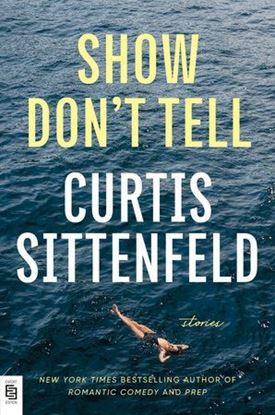
SHOW DON'T TELL
In her second story collection, Sittenfeld shows why she’s as beloved for her short fiction as she is for her novels. In these dazzling stories, she conjures up characters so real that they seem like old friends, laying bare the moments when their long held beliefs are overturned.
In “The Patron Saints of Middle Age,” a woman visits two friends she hasn’t seen since her divorce. In “A for Alone,” a married artist embarks on a creative project intended to disprove the so-called Mike Pence Rule, which suggests that women and men can’t spend time alone together without lusting after each other. And in “Lost but Not Forgotten,” Sittenfeld gives readers of her novel Prep a window into the world of her beloved character Lee Fiora, decades later, when Lee attends an alumni reunion at her boarding school.
Hilarious, thought-provoking, and full of tenderness for her characters, Sittenfeld’s stories peel back layer after layer of our inner lives, keeping us riveted to the page with her utterly distinctive voice.
1,300
1,300
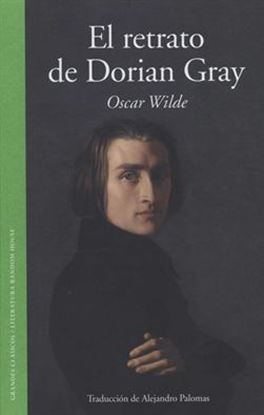
EL RETRATO DE DORIAN GRAY (TD)
En su única novela, el divino Oscar Wilde puso al día el mito de Fausto. En este caso, la víctima es Dorian Gray, un bello y presuntuoso joven a quien un amigo hace un retrato al óleo. Cuando Dorian trabe amistad con lord Henry Wotton, un cínico filósofo, este le convencerá de que sus más valiosas posesiones son su belleza y su juventud. Y a partir de ahí, su deseo de que su retrato envejezca mientras él permanece joven se hace realidad. Estamos, simple y llanamente, ante uno de de los libros más bellos e ingeniosos de todos los tiempos.
1,300
1,300
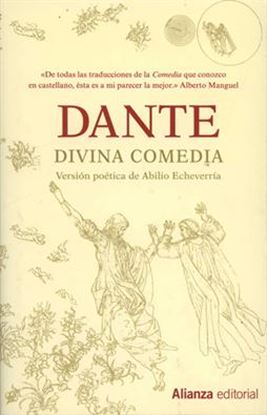
DIVINA COMEDIA (ALIANZA)
La Divina Comedia es la relación de un viaje en que, en su tránsito desde el Infierno hasta el Cielo, el autor encuentra su propia identidad. En esta obra de enorme fuerza expresiva Dante fundió el pensamiento filosófico con las ideas políticas y los conocimientos literarios. En ella, cada personaje, cada episodio, tiene un profundo significado que va más allá de la simple anécdota. La versión poética de Abilio Echeverría ha logrado respetar plenamente el sentido, el metro y el ritmo de la obra, sin despojarla de su grandeza. Completa la presente edición un prólogo a cargo de Carlos Alvar que recrea la biografía de Dante e ilustra el proceso de creación que alumbró la obra. Dante Alighieri (1265-13211 es considerado el máximo poeta de la lengua italiana, y su figura y su obra, así como sus aportaciones a los campos del pensamiento y la literatura, son fundamentales dentro de toda la cultura europea posterior. Miembro activo de la política de su tiempo, murió exiliado de su patria, Florencia. Fue una de las primeras y más importantes figuras del Renacimiento italiano.
1,300