

1,100
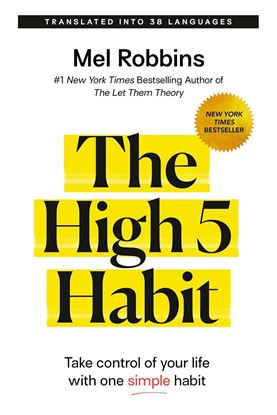
THE HIGH 5 HABIT
Don't let the title fool you. This isn't a book about high fiving everyone else in your life. You're already doing that. Cheering for your favorite teams. Celebrating your friends. Supporting the people you love as they go after what they want in life.
Imagine if you gave that same love and encouragement to yourself. Or even better, you made it a daily habit.
You'd be unstoppable.
In this encouraging book, Mel teaches you how to start high fiving the most important person in your life, the one who is staring back at you in the mirror: YOURSELF.
1,100
![Imagen de THE BLACK PHONE [MOVIE TIE-IN]](https://www.cuestalibros.com/content/images/thumbs/0160397_the-black-phone-movie-tie-in_415.jpeg "Mostrar detalles de THE BLACK PHONE [MOVIE TIE-IN]")
1,100
THE BLACK PHONE [MOVIE TIE-IN]
Jack Finney is thirteen, alone, and in desperate trouble. For two years now, someone has been stalking the boys of Galesberg, stealing them away, never to be seen again. And now, Finney finds himself in danger of joining them: locked in a psychopath’s basement, a place stained with the blood of half a dozen murdered children.
With him in his subterranean cell is an antique phone, long since disconnected . . . but it rings at night anyway, with calls from the killer’s previous victims. And they are dead set on making sure that what happened to them doesn’t happen to Finney.
1,100
1,100
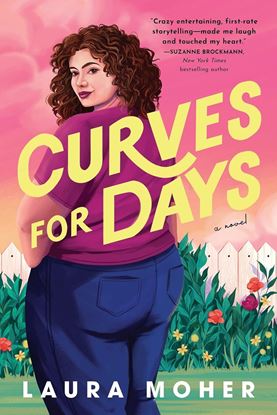
CURVES FOR DAYS
Rose Barnes has got curves for days―and to Angus Drummond, the big, bearded contractor working on her new house, she's the perfect thorn in his side. Little does she know Angus is perturbed on a daily basis by his attraction to this cheery, smart-ass woman with her sunshiny enthusiasm, her kindness, and her beautiful body.
Angus feels he has a debt to pay to the world and doesn't deserve love until he pays it. Best to keep his mind on his work and his hands to himself. But the more Rose sees of Angus's gruff, honorable thoughtfulness, and the more rusty laughter she surprises from him, the more she wants him too.
As their unlikely friendship becomes love, antagonism turns to partnership, and Rose's house becomes a home. But Rose is keeping a secret that could blow up everything with Angus, and sure enough, it comes to light at the worst possible time...
1,100
1,100
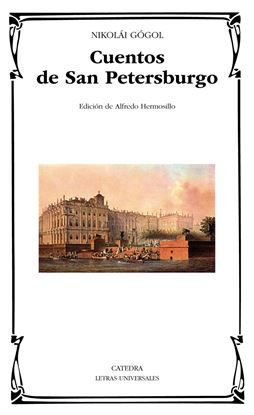
CUENTOS DE SAN PETERSBURGO
La prosa de Gógol resultó sorprendente en su época por su originalidad, y fue celebrada por autores tan distintos como Pushkin y Nadezhdin. Gógol se aleja de la tradición narrativa de los cuentos populares mezclando los elementos sobrenaturales del cuento popular con los elementos de la conciencia narrativa individual. El juego de diferentes voces narrativas, la inclusión de términos coloquiales y vulgares, las constantes digresiones y las ocasionales lagunas de memoria del narrador, que interrumpen, distorsionan u oscurecen el significado de lo que relata constituyen las principales características del estilo gogoliano. "Cuentos de San Petersburgo" da título a una serie de relatos que fueron publicados en diferentes momentos, entre 1835 y 1842. Existen dos elementos unificadores en este libro: el primero, y más obvio, la presencia de San Petersburgo; el segundo, que están protagonizados por personajes solitarios que viven una situación de conflicto a causa de un elemento perturbador (una oculta presencia demoníaca) que trastoca la precaria armonía de su mundo.
1,100

1,100
MUJERCITAS (TD)
El señor March se encuentra sirviendo como capellán en la Guerra Civil Americana y sus hijas y esposa leen emocionadas las cartas que éste les envía desde el frente. Esta novela sigue las aventuras de sus cuatro hijas, Meg, Jo, Beth y Amy, que crecen al calor del amor de su madre y tratan de sobrellevar las adversidades que su condición de familia pobre acarrea.
1,100

1,100
ANNA KARENINA (ED. CONMEM) (TD)
La historia de Anna Karénina, junto a la de Madame Bovary, es la del adulterio más célebre de la literatura. El enamoramiento de la protagonista, casada con el alto funcionario Karénin, por el atractivo militar Vronski y el estrepitoso romance que con él vive son el eje de una novela que es mucho más que la pulida tragedia de una caída en desgracia: es un esmerado y delicado retrato de todo un tiempo y un lugar, la vivisección de una sociedad en la que la felicidad de algunos convive con la desdicha de otros.
1,100