

650
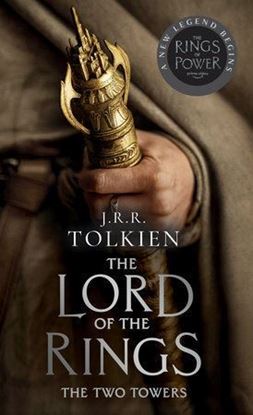
THE LORD OF THE RINGS. PART. 2 (MM)
The second part of J.R.R. Tolkien’s epic adventure The Lord of the Rings.
The Fellowship is scattered. Some brace hopelessly for war against the ancient evil of Sauron. Others must contend with the treachery of the wizard Saruman. Only Frodo and Sam are left to take the One Ring, ruler of the accursed Rings of Power, to be destroyed in Mordor, the dark realm where Sauron is supreme. Their guide is Gollum, deceitful and obsessive slave to the corruption of the Ring.
650

650
JANE EYRE (VINTAGE CLASSIC)
Charlotte Brontë's most beloved novel describes the passionate love between the courageous orphan Jane Eyre and the brilliant, brooding, and domineering Rochester. The loneliness and cruelty of Jane's childhood strengthens her natural independence and spirit, which prove invaluable when she takes a position as a governess at Thornfield Hall. But after she falls in love with her sardonic employer, her discovery of his terrible secret forces her to make a heart-wrenching choice. Ever since its publication in 1847, Jane Eyre has enthralled every kind of reader, from the most critical and cultivated to the youngest and most unabashedly romantic. It lives as one of the great triumphs of storytelling and as a moving and unforgettable portrayal of a woman's quest for self-respect.
650
650
650
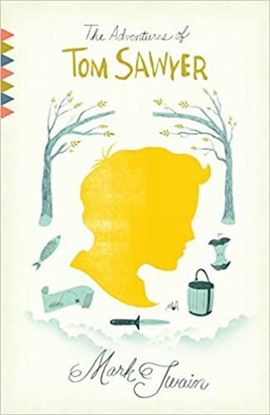
THE ADVENTURES OF TOM SAWYER (VINTAGE CL
Mark Twain was one of the nineteenth century's greatest chroniclers of childhood, and of all his works his beloved novel The Adventures of Tom Sawyer most enchantingly and timelessly captures the sheer pleasure of being a boy.
Tom Sawyer is as clever, imaginative, and resourceful as he is reckless and mischievous, whether conning his friends into painting a fence, playing pirates with his pal Huck Finn, witnessing his own funeral, or helping to catch a murderer. Twain’s novel glows with nostalgia for the Mississippi River towns of his youth and sparkles with his famous humor, but it is also woven throughout with a subtle awareness of the injustices and complexities of the old South that Twain so memorably portrays.
650
650
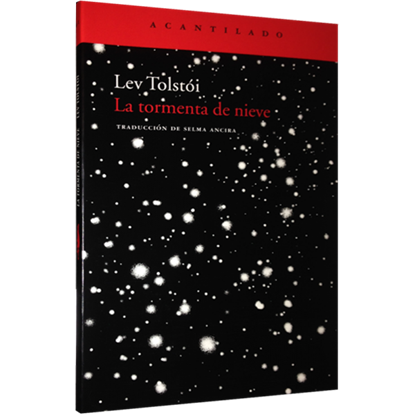
LA TORMENTA DE NIEVE
En un momento de notable crisis espiritual, Tolstói, basándose en la experiencia real de un viaje que emprendiera dos años antes, escribe La tormenta de nieve (1856). Con una muy fuerte carga metafísica, nos describe, al amparo de las condiciones externas, un sueño y la presencia de la muerte, el punto de inflexión entre el conformismo y el coraje. Memorable y entrañablemente poética, esta narración a medio camino entre la alegoría y el diario nos habla de la toma de conciencia de uno mismo y de sus retos.
650