500
350
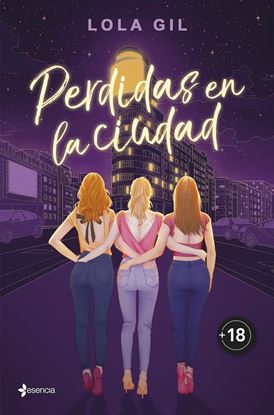
PERDIDAS EN LA CIUDAD (OF2)
Olivia tiene treinta años y está perdida. Acaba de divorciarse, ha dejado su trabajo y se ha mudado a Madrid.
En la ciudad no tiene nada. Bueno, sí, tiene a su amiga Camila ―proyecto de sexóloga― y a Cris. Así que, en verdad, lo tiene todo.
Tiene todo lo que necesita para encontrarse, pero eso, de momento, no lo sabe. De momento solo sabe que la vida es una montaña rusa en la que descubrirá el buen sexo ―y el malo―, el amor ―y el desamor― y perseguirá un sueño que tal vez no llegue a cumplir.
Por lo menos no está sola. ¿Te atreves a perderte con ella en la ciudad?
500
350

500
350
EL VERANO EN QUE ARDIERON LAS FLOR(OF2)
Mateo vuelve al pueblo para acudir a un funeral que lo arrastra inevitablemente a su adolescencia. A aquel verano en que comprendió la importancia de la amistad y de la familia; el verano en que el arte le dio alas; el verano en que se topó no solo con un chico, sino con dos, que le rompieron todos los esquemas; el verano en que, mientras ardían las flores, al fin comenzó a conocerse a sí mismo.
500
350
500
350
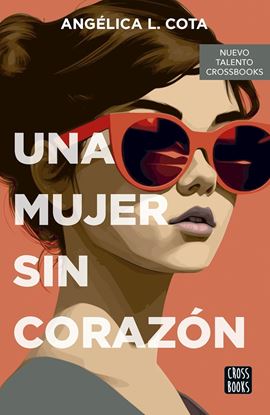
UNA MUJER SIN CORAZON (OF2)
¿Pueden tres citas derribar las murallas de un corazón?
Clare lo tiene todo menos un corazón. Se lo rompieron de adolescente y, desde entonces, se ha dedicado a evadir las relaciones y así evitar que vuelvan a jugar con ella. Tiene líos de una noche y su lema es: No repetir.
Lucas es su opuesto: un romántico empedernido que salta de una relación formal a otra.
Son amigos, y se atraen. Deciden tener sexo. Pero Lucas le pide tres citas antes de acostarse esa única vez, como pretende Clare. Tres citas en las que él intentará derribar las murallas alrededor de su corazón.
500
350

500
350
ANTES DE QUE TE ECHE DE MENOS (OF2)
¿Qué estarías dispuesta a hacer por conquistar al amor de tu vida?
Desde que cumplí doce años, mi vida ha sido el sueño de muchas niñas: salir de un barrio obrero y lograr la fama, con una cara bonita como único patrimonio.
En mi caso, fui tan ingenua que no quise ver el lado negativo. Solo tenía un objetivo en mente: convertirme en una modelo de fama mundial.
Mi rutina se resumía en posar para sesiones interminables, desfilar y, pese al cansancio, acudir a fiestas en las que permitía que desconocidos me halagasen. Y yo, creyéndome la reina, no daba importancia a ciertos comportamientos: si me tocaban más de la cuenta o me invitaban a cenas privadas, no veía el peligro.
500
350

500
350
INVISIBLE (OF2)
Antonia Adams es la hija de un matrimonio sin amor entre una modelo y un rico empresario. De pequeña, aprende que la única forma en la que puede sentirse a salvo es siendo invisible.
En su soledad, encuentra refugio en las películas y sueña con ser guionista. Durante un trabajo de verano en un estudio de Hollywood, conoce a un famoso director inglés y deja de ser invisible cuando él decide que quiere convertirla en una estrella. Antonia empieza a atraer la atención del público…, y todavía más cuando ambos se enamoran.
Sin embargo, la joven no renuncia a su verdadero sueño, pero para conseguirlo tendrá que exponerse como nunca antes lo ha hecho. Y, cuando una tragedia cae sobre ella, deberá decidir si seguir bajo los focos o retirarse de nuevo a un lugar seguro. ¿Podrá enfrentarse a sus demonios, o huirá para esconderse?
500
350
500
350
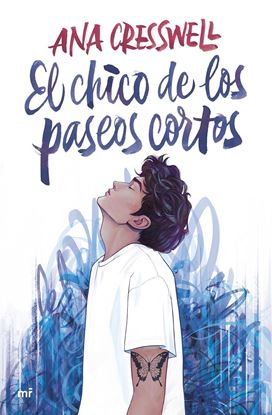
EL CHICO DE LOS PASEOS CORTOS (OF2)
Kirsten está en el último curso de bachillerato. Es el momento de decidir su futuro. Pero ¿cómo puede avanzar si todavía no ha superado un trauma del pasado que le provoca ansiedad e inseguridad?
Tras tocar fondo, Kirsten se encuentra con un desconocido que decide ayudarla. Ella teme conocerlo, él quiere saberlo todo sobre ella, pero sus paseos se convertirán en un lugar seguro donde se sentirán libres para compartir lo que no son capaces de hablar con nadie más.
500
350