

1,995
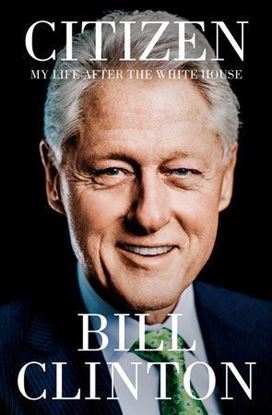
CITIZEN
On January 20, 2001, after nearly thirty years in politics—eight of them as president of the United States—Bill Clinton was suddenly a private citizen. Only fifty-four years old, full of energy and ideas, he wanted to make meaningful use of his skills, his relationships with world leaders, and all he’d learned in a lifetime of politics, but how? Just days after leaving the White House, the call came to aid victims of a devastating earthquake in India, and Clinton hit the ground running. Over the next two decades, he would create an enduring legacy of public service and advocacy work, from Indonesia to Louisiana, Northern Ireland to South Africa, and in the process reimagine philanthropy and redefine the impact a former president could have on the world.
1,995
1,500
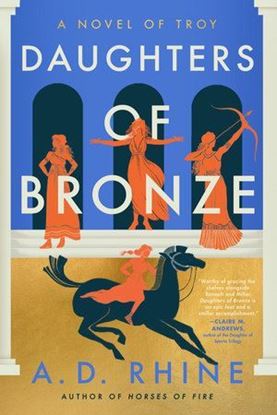
DAUGHTERS OF BRONZE
Song of great sorrow. Even greater love.
Lost between the timeless lines of Homer’s epic, the women of Troy finally stand to be counted. Their story is one you’ve never encountered, and it will change the fate of Troy forever.
Andromache has proven herself a capable leader, but can she maintain that hard-won status now that she is the mother to the city’s long-awaited heir? With enemies closing in, Andromache must bring together a divided city in time to make a final stand.
Rhea is a Trojan spy, but she never expected to find love in the enemy camp. When the final battle lines are drawn, Rhea must decide where her loyalties lie and how much she is willing to lose.
Helen is no longer the same broken woman first brought to Troy as a captive. Given a second chance at life, she must cast off her shroud of grief and use her healing gifts to save Troy’s greatest hope.
Cassandra has seen Troy’s fate. But she knows the truth is only as valuable as the person who tells it . . . and few in Troy value her. All that is about to change. One hero will rise, another will fall . . . and this time, Cassandra will have her say.
1,500

900
BOOK BOYFRIEND
Jennifer Worth lives to escape into the world of her favorite romantasy series Elytheum Courts, where the romance is sweeping and the men are brave, chivalrous . . . and winged. Newly single and craving connection, she travels to an immersive fan experience celebrating all things Elytheum, only to see the last face she expected—Scott Daniels, her work nemesis, whose disinterest in Jennifer’s favorite series and standoffishness have made their publishing jobs feel like a feuding fae court.
Except the Scott she encounters at the Elytheum Experience, in his secondhand cosplay outfit, is . . . different. Swaggering, flirtatious, confident. Unlucky in romance himself and inspired by Jennifer’s love for the swoonworthy men of Elytheum, Scott is determined to remake himself into the perfect book boyfriend.
Jennifer has no interest in helping the man who vexes her every workday and dismisses her fictional fantasies, but as the immersive convention activities force them together, they’re surprised to discover magic like none Jennifer has ever read about. But is enemies-to-lovers romance only for books, or can Jennifer and Scott bring the trope to life?
900
1,500
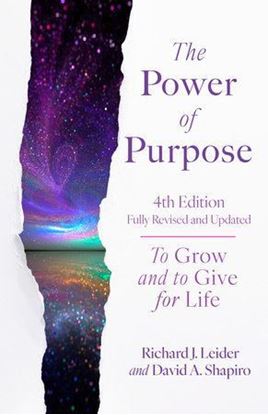
THE POWER OF PURPOSE, 4TH EDITION
Purpose is an active expression of our values and our compassion for others—it makes us want to get up in the morning and add value to the world. The Power of Purpose details a graceful, practical, and ultimately spiritual process for making it central to your life. This revitalized guide will help you integrate it into everything you do.
This fourth edition has been completely revised and updated. With a new co-author, new stories and examples and resources, it taps into the broader need for purpose in our post-pandemic world. With more than 40% new content, readers will discover new insights on purpose, a new chapter on Becoming a Purposeful Leader, and The Purpose Formula which includes mind-opening questions to help you unlock your purpose and to live a life of meaning and fulfillment.
1,500
1,995
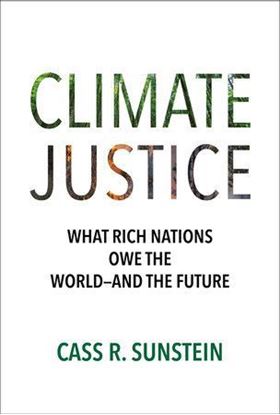
CLIMATE JUSTICE
If you're injuring someone, you should stop—and pay for the damage you've caused. Why, this book asks, does this simple proposition, generally accepted, not apply to climate change? In Climate Justice, a bracing challenge to status-quo thinking on the ethics of climate change, renowned author and legal scholar Cass Sunstein clearly frames what’s at stake and lays out the moral imperative: When it comes to climate change, everyone must be counted equally, regardless of when they live or where they live—which means that wealthy nations, which have disproportionately benefited from greenhouse gas emissions, are obliged to help future generations and people in poor nations that are particularly vulnerable.
1,995
1,350
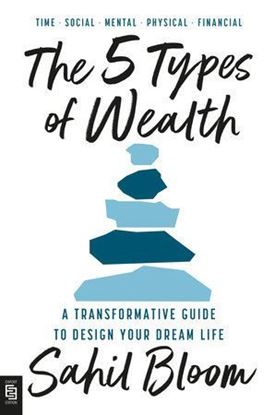
THE 5 TYPES OF WEALTH
Throughout your life, you’ve been slowly indoctrinated to believe that money is the only type of wealth. In reality, your wealthy life may involve money, but in the end, it will be defined by everything else.
After three years of research, personal experimentation, and thousands of interviews across the globe, Sahil Bloom has created a groundbreaking blueprint to build your life around five types of wealth: Time Wealth, Social Wealth, Mental Wealth, Physical Wealth, and Financial Wealth. A life of true fulfillment engages all five types—working dynamically, in concert across the seasons of your journey.
1,350

1,650
EL REVERSO DE LA UTOPIA PERIODISTICA III
«Que, entendidas en términos extremos, la libertad y la igualdad sean opciones alérgicas la una a la otra no puede querer decir que estemos condenados a la injusticia. Sino, más sencillamente, que hay que renunciar a las utopías, a las opciones extremas».
Firme defensor de ideales como la libertad y la democracia, durante más de cinco décadas Mario Vargas Llosa ha reflexionado en su obra literaria y en sus textos periodísticos sobre los problemas que conlleva la utopía política. Las piezas reunidas en este volumen colocan en el foco tres contextos que el autor conoce de primera mano.
«A pesar de que América Latina, Israel e Irak son lugares distantes, con historias culturales y políticas difícilmente equiparables, no es tan difícil encontrar un hilo invisible que los une. […] Aquel periodo de tranquilidad ideológica que parecía haber llegado con la caída del comunismo demostró ser una ilusión. La historia seguía viva, más que nunca. El radicalismo islámico, el nacionalismo y el populismo no han dejado en estos años de ser amenazas serias para la libertad y la democracia. Estos ideales se han alejado un poco más, lamentablemente. América Latina no se convirtió en un oasis purgado de todos los vicios modernos, ni en la región donde surgiría un socialismo humanista y libertario. Al contrario, ha sido la política del resto de Occidente la que ha terminado pareciéndose a la latinoamericana: los demonios incubados en el reverso de la utopía —el fanatismo, el nacionalismo, el odio sectario, el populismo— andan sueltos, y ahora acechan a la humanidad entera». — Del prólogo de Carlos Granés
1,650

1,350
ARDERA EL VIENTO (PA25)
Los Esterházy, una pareja excéntrica sin un pasado claro, llegan a un pueblo de la costa argentina y comienzan a regentar un antiguo hotel. Estos dos seres (y sus dos hijos, una niña y un niño más inquietantes y enigmáticos que ellos) producen el efecto de una partícula enfermiza que se introduce en las grietas de una sociedad pequeña y arrasa con su dinámica cotidiana, aparentemente calma. La pareja resulta ser un amplificador de los prejuicios, los deseos ocultos, las supersticiones, los temores y la violencia larvada en muchos de los habitantes del pueblo.
Arderá el viento es la historia de una degradación, de un descascaramiento agónico que poco a poco deja a la vista las miserias del cuerpo social. Expuesta al influjo de los Esterházy, la extraña villa costera deja aflorar la oscuridad que circula por sus zonas subterráneas, como si los visitantes fueran una piedra de toque maligna que lograra sacar a la luz la verdadera naturaleza de los personajes.
Escrita en un estilo parco y de una rara intensidad, la novela es la cuidadosa construcción de un deterioro que, aunque transcurra en un país específico, acaba por ser una metáfora distorsionada del espíritu de nuestro tiempo.
1,350

1,250
HASTA QUE EMPIECE A BRILLAR
Solemos identificar a María Moliner con su diccionario, «el más completo, útil y divertido de la lengua castellana», según García Márquez. ¿Pero por qué se sentó a escribirlo a los cincuenta años, en plena dictadura franquista? ¿Cómo pudo completar, prácticamente sola, el diccionario de autora más importante de todos los tiempos?
Hasta que empieza a brillar cuenta la historia íntima de María Moliner, partiendo de una atractiva premisa literaria: narrar de cuerpo entero a la protagonista a través de su vínculo con la lengua. A la vez, nos propone una sugerente hipótesis: ¿y si su diccionario fuese también una suerte de autobiografía oculta?
Esta es la vida novelada de una figura apasionante, retratada desde una infancia difícil hasta un final insospechado, pasando por su extraordinaria labor como bibliotecaria en la República o su polémica candidatura a la Real Academia. Entre la investigación y la imaginación, combinando la comedia, el drama familiar y la tragedia colectiva, se abre paso la historia de una resistencia secreta. Un acto de justicia con el legado de una mujer que vivió a contracorriente y exploró las palabras hasta que empezaron a brillar.
1,250