


1,550
1,318
ENTRA EL FANTASMA
Sonia Nasir, de 38 años, actriz británica de origen palestino, viaja a Israel para visitar a su hermana, que da clases en la universidad de Haifa. No tarda en conocer a otros personajes, entre ellos a Mariam Mansour, directora teatral que quiere poner en escena una versión árabe de Hamlet en Ramala (Cisjordania). Cuando Mariam se entera de que Sonia es una veterana de las tablas, la enrola para que figure en el reparto de su producción.
El regreso a su tierra natal, sus desplazamientos por la geografía local (Haifa, Gaza, Belén, Jerusalén), el contacto con los actores, los recuerdos militantes de su padre y su tío, y la sombra imborrable de las Intifadas suscitan en Sonia una cadena de emociones que, en combinación con las vivencias del momento presente, la obligan a plantearse un dilema que no esperaba: qué es ser palestino y vivir en conflicto permanente con el Estado de Israel. La misma representación de Hamlet irá adquiriendo matices cada vez más cercanos al problema de fondo. El fantasma del difunto rey de Dinamarca acabará identificándose con el fantasma de la ocupación.
Entra el fantasma, segunda novela de Isabella Hammad, es un inteligente relato en zigzag de la Palestina actual. Una apasionante historia de diáspora y desplazamiento que elude la fácil diatriba política y apuesta por las relaciones familiares y artísticas como espacio de resistencia compartida.
1,550
1,318

1,450
1,233
LOS UNIVERSALISTAS
Una noche, en medio de una rave ilegal en una casa de campo de Yorkshire, un joven es agredido de forma brutal con un lingote de oro. ¿Qué hace allí un grupo anarquista radical? ¿Qué relación tiene con los hechos el banquero propietario de la finca? ¿Quién es el agresor y cuáles sus motivos? ¿Y qué hace un lingote de oro ahí abandonado como si no tuviese valor alguno?
Este incidente y las preguntas que desencadena son el punto de partida del reportaje que escribe Hannah, una joven periodista freelance de izquierdas que anda con el agua al cuello. Sin embargo, el revuelo que genera el texto —pronto convertido en serie de televisión— va a cambiar su suerte, y también la de la famosa y polémica columnista conservadora Miriam «Lenny» Leonard, contraria a todo lo que huela a woke y a discriminación positiva, en horas bajas tras el fiasco de su primer libro.
1,450
1,233

5,995
5,096
SIN CITY 2. MATARIA POR ELLA (ED. LUJO)
¡REGRESA LA OBRA MAESTRA DEL CÓMIC DE GÉNERO NEGRO EN UNA DOBLE NUEVA EDICIÓN!
5,995
5,096

3,300
2,805
SIN CITY 2. MATARIA POR ELLA (TD)
Dwight es un hombre con un sórdido trabajo de detective privado y un montón de recuerdos de emociones que podrían haber sido amor y de las múltiples maneras en que la fastidió. Dwight daría lo que fuera por salir del infierno gris y entumecido en que se ha convertido su vida. entonces, de repente, un día regresa su recuerdo más vívido y sangranteregresa Ava.
3,300
2,805
1,500
1,275
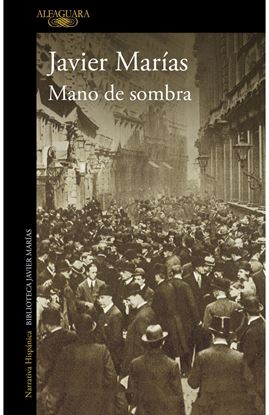
MANO DE SOMBRA
«Dos años de tareas dominicales que prueban mi nula disposición a santificar las fiestas... Al releer estos artículos seguidos, me parece que he opinado demasiado». Estas palabras sirven de introducción a un Javier Marías insólito, cotidiano, atento a lo que ocurre a su alrededor y que atraviesa todos los estados de ánimo imaginables: lo vemos evocativo e indignado, a menudo pertido y bromista, pero también atribulado por la saña española que aún tiñe nuestro tiempo; melancólico, risueño, grave, irónico, compasivo o desengañado, siempre logra contagiarnos y no nos deja indiferentes con su Mano de sombra.
1,500
1,275
1,450
1,233
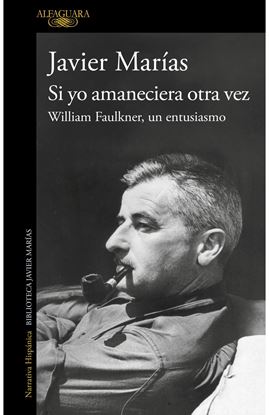
SI YO AMANECIERA OTRA VEZ
Este volumen es un sentido tributo de Javier Marías a la figura y la literatura de William Faulkner, uno de los escritores más importantes del siglo XX, ganador del Premio Nobel en 1950. Su prólogo es toda una declaración de intenciones: «Si la única manera de que Faulkner vuelva a ser más leído y más recordado es no ir con sus libros por delante, como sería lo justo, sino con su persona y sus dichos y anécdotas —esto es, con lo que no escribió—, entonces hay que plegarse e intentarlo». Así, Marías traza en estas páginas el retrato de un personaje enigmático, tímido e impertinente que se tomaba tan en serio su actividad como tan poco en serio a sí mismo.
1,450
1,233
1,450
1,233
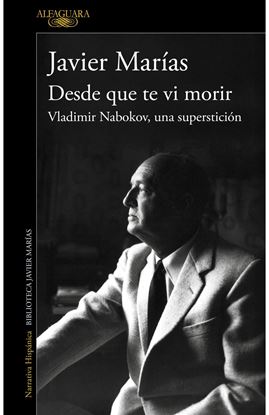
DESDE QUE TE VI MORIR
Javier Marías rinde homenaje en este libro a uno de los novelistas contemporáneos que más admiraba: Vladimir Nabokov. Su intención era conmemorar a un escritor con el que se sentía en deuda literaria y animar a los lectores a que lo busquen con más frecuencia.
Marías nos cuenta, por ejemplo, que un día de 1950 la mujer de Nabokov, Véra, logró detenerlo cuando se disponía a quemar los primeros capítulos de Lolita, agobiado por las dudas y las dificultades. También que le molestaba mucho que le atribuyeran influencias, fueran de Joyce, Kafka, Proust o de Dostoyevski. Y que los mayores éxtasis los experimentó a solas: cazando mariposas, creando problemas de ajedrez, traduciendo a Pushkin y escribiendo.
1,450
1,233
2,800
2,380
2,200
1,870
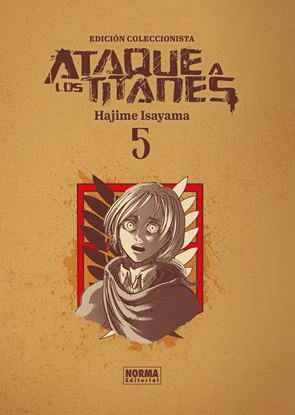
ATAQUE A LOS TITANES. EDICION ESPECIAL 5
¿TÚ VALES EL PRECIO QUE HEMOS PAGADO?
El ataque desesperado por recuperar a Eren ha supuesto la pérdida de la mayoría de soldados expertos del cuerpo de exploración. Una victoria pírrica que solo el tiempo dirá si ha valido la pena. El plan de Reiner y Bertolt consistía en llevar a sus rehenes hasta su pueblo natal, pero no contaban con que sus compañeros de promoción harán lo que esté en su mano por liberar a sus amigos.
2,200
1,870