


850
CONFUSION DE PENAS (I)
Titulada según una fórmula jurídica francesa, por la que una pena superior «absorbe y se funde con penas iguales e inferiores», esta novela narra, de forma dura y singular, la infancia y adolescencia del autor. Tras una crianza desgraciada, Julien Blanc se verá inmerso en una maquinaria infernal de instituciones de acogida y de castigo que lo dejarán irremediablemente marcado, tras sufrir humillaciones, abusos e injusticias. Sin embargo, aunque no duda en identificar a aquellos que no le ayudaron en el camino, el protagonista también admite sus errores, no cae en el victimismo y buscará siempre espacios fraternales de pureza y superación que le ayuden a seguir.
850
850
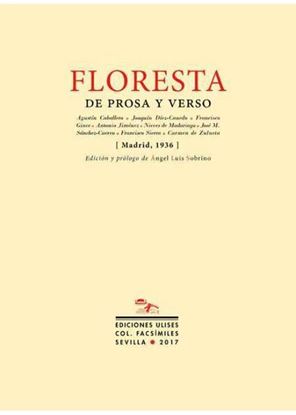
FLORESTA DE PROSA Y VERSO
Floresta de Prosa y Verso fue publicada como serie cerrada coleccionable entre enero y junio de 1936 por un grupo de jóvenes estudiantes de la entonces innovadora Facultad de Filosofía y Letras de Madrid. Reunió en sus páginas la creación primeriza de un numeroso grupo de jóvenes escritores junto a la colaboración de maestros y autores consagrados que presidió cada uno de los números: Juan Ramón Jiménez en dos ocasiones, Azorín, Lorca, Aleixandre. El resultado fue un conjunto misceláneo y muy representativo de la diversidad y complejidad del panorama literario del momento. Revista de espíritu abierto e integrador, colaboraron en ella jóvenes republicanos, liberales y progresistas, junto a conservadores, monárquicos y falangistas de primera hora. Entre los que sobrevivieron y mantuvieron tras la guerra su actividad literaria, se hallan figuras destacadas del exilio, como Francisco Giner de los Ríos o Joaquín Díez-Canedo –que dirigieron en México a partir de 1945 la colección de poesía Nueva Floresta,
850
800
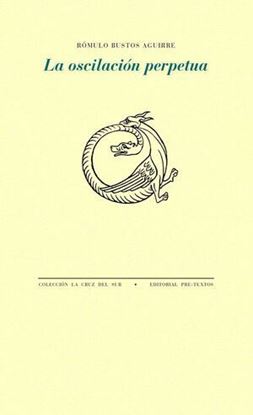
LA OSCILACION PERPETUA
El quebrantahuesos omite la carne lo suyo es el hueso el puro hueso, es el estercolero de su especie, lo sabe y eso no lo inquieta. Está en la cima a su manera como a la muerte poco le vale la bullente variedad de las formas sabe que en todo animal se oculta la médula el hueso y acecha.
800
950
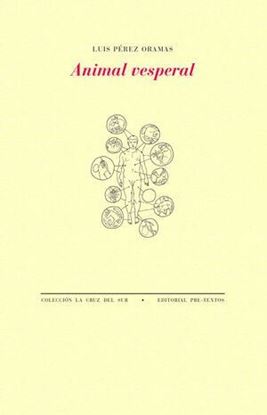
ANIMAL VESPERAL
Lo que no vi se hará palabra por palabra tímido tremor entre los versos. Lo que no sentí se hará número en la estrofa: el nudo ligero de tus manos el sitio de delicias escondido donde el tobillo ataja el cuerpo el lugar más oscuro de los muslos la dulce dureza de tus nubes. Dos minutos quedan decías de salida Ernesto en las quebradas. Como los primeros fuiste el último sudor, niño, pájaro de vuelta. Buscaré en mi boca, lejos el azoro de tu humedad multiplicante cuando esté seca buscaré, la noche ya llegada la apurada claridad de tu simiente.
950
995
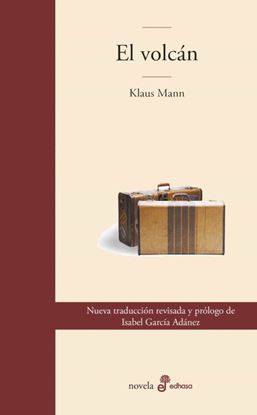
EL VOLCAN
Con marcados rasgos autobiográficos, Klaus Mann nos presenta en El volcán la desgarradora imagen de un grupo de exiliados del régimen nazi. Estructurada a partir de las vivencias de una pareja de homosexuales, uno de los cuales se identifica habitualmente con el propio autor, los protagonistas se convierten, además, en portavoces de los movimientos culturales e ideológicos de su tiempo: el surrealismo, el humanismo liberal y católico, el esteticismo, el antifascismo idealista y militante y, con todo ello, quizá sea ésta la gran novela europea sobre el destierro, sobre el vacío al que el exilio lanza a sus víctimas un espacio en el que el paso del tiempo es sustituido por la disolución de la propia identidad, que queda en suspenso.
995
995
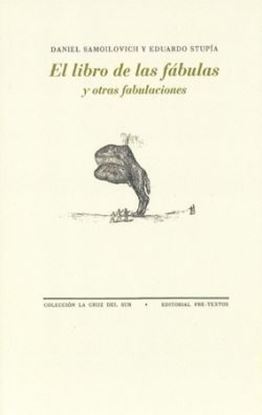
EL LIBRO DE LAS FABULAS Y OTRAS FABULACI
Daniel Samoilovich y Stupía han colaborado en numerosos proyectos: desde una efímera revista poética en los años setenta hasta la codirección del periódico trimestral "Diario de Poesía" entre 1992 y 2011.
995
800
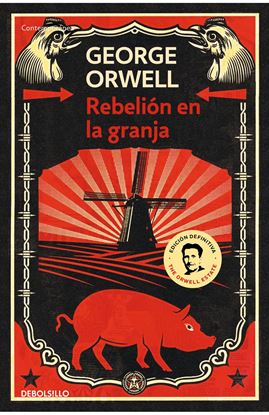
REBELION EN LA GRANJA (BOL)
Esta sátira de la Revolución rusa y el triunfo del estalinismo, escrita en 1945, se ha convertido por derecho propio en un hito de la cultura contemporánea y en uno de los libros más mordaces de todos los tiempos. Ante el auge de los animales de la Granja Solariega, pronto detectamos las semillas de totalitarismo en una organización aparentemente ideal; y en nuestros líderes más carismáticos, la sombra de los opresores más crueles.
La presente edición, avalada por The Orwell Foundation, sigue fielmente el texto definitivo de las obras completas del autor, fijado por el profesor Peter Davison. Incluye un epílogo del periodista y ensayista Christopher Hitchens, que pone de relieve la importancia del autor en nuestro tiempo. Marcial Souto firma la estupenda traducción, que se publicó por primera vez en 2013 y es la más reciente de la obra.
800
500
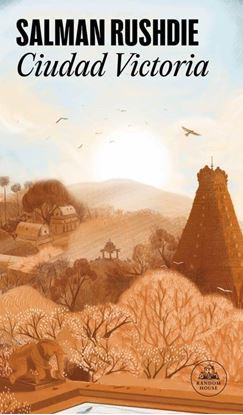
CIUDAD VICTORIA (OF2)
A raíz de una insignificante batalla entre dos reinos anclados en el olvido de la India del siglo XIV, una niña de nueve años tieneun inesperado encuentro que cambiará el curso de la historia. Tras presenciar la muerte de su madre, la niña, Pampa Kampana, se convierte en receptáculo de una diosa que empieza a hablar por su boca. La diosa le otorga poderes que escapan a la comprensión de Pampa Kampana y le confía que va a ser fundamental en la erección de una gran ciudad llamada Bisnaga, literalmente “ciudad de la victoria”, la maravilla del mundo.
En los siguientes dos siglos y medio la vida de Pampa Kampana estará íntimamente ligada a la de Bisnaga, desde la siembra de una bolsa de semillas mágicas hasta su trágica perdición a causa de motivos puramente humanos: la soberbia de quienes ostentan el poder.
500

800
LA CHICA DE NIEVE (TV) (BOL)
Nueva York, 1998, cabalgata de Acción de Gracias. Kiera Templeton, desaparece entre la multitud. Tras una búsqueda frenética por toda la ciudad, alguien encuentra unos mechones de pelo junto a la ropa que llevaba puesta la pequeña.
En 2003, el día que Kiera habría cumplido ocho años, sus padres, Aaron y Grace Templeton, reciben en casa un extraño paquete: una cinta VHS con la grabación de un minuto de Kiera jugando en una habitación desconocida.
800