1,700
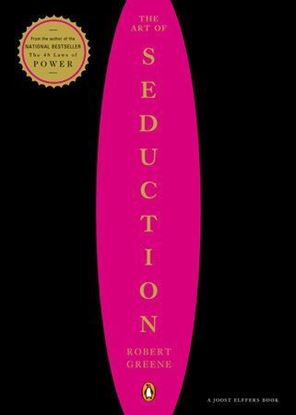
THE ART OF SEDUCTION
When raised to the level of art, seduction, an indirect and subtle form of power, has toppled empires, won elections and enslaved great minds. Immerse yourself in the twenty-four maneuvers and strategies of the seductive process, the ritual by which a seducer gains mastery over his target. Understand how to “Poeticize Your Presence,” “Keep them in Suspense – What Comes Next” and “Master the Art of the Bold Move”. Every bit as essential as The 48 Laws of Power, The Art of Seduction is an indispensable primer of persuasion that reveals one of history’s greatest weapons and the ultimate form of power.
1,700
1,750
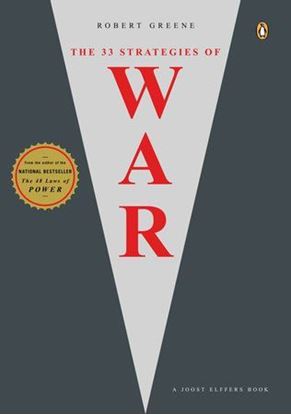
THE 33 STRATEGIES OF WAR
Robert Greene’s groundbreaking guides, The 48 Laws of Power, The Art of Seduction, and Mastery, espouse profound, timeless lessons from the events of history to help readers vanquish an enemy, ensnare an unsuspecting victim, or become the greatest in your field. In The 33 Strategies of War, Greene has crafted an important addition to this ruthless and unique series.
Spanning world civilizations, synthesizing dozens of political, philosophical, and religious texts and thousands of years of violent conflict, The 33 Strategies of War is the I-Ching of conflict, the contemporary companion to Sun Tzu’s The Art of War.
Abundantly illustrated with examples from history, including the folly and genius of everyone from Napoleon to Margaret Thatcher, Shaka the Zulu to Lord Nelson, Hannibal to Ulysses S. Grant, as well as movie moguls, Samurai swordsmen, and diplomats, each of the thirty-three chapters outlines a strategy that will help you win life’s wars. Learn the offensive strategies that require you to maintain the initiative and negotiate from a position of strength, or the defensive strategies designed to help you respond to dangerous situations and avoid unwinnable wars. The great warriors of battlefields and drawing rooms alike demonstrate prudence, agility, balance, and calm, and a keen understanding that the rational, resourceful, and intuitive always defeat the panicked, the uncreative, and the stupid. An indispensable book, The 33 Strategies of War provides all the psychological ammunition you need to overcome patterns of failure and forever gain the upper hand.
1,750
800
850
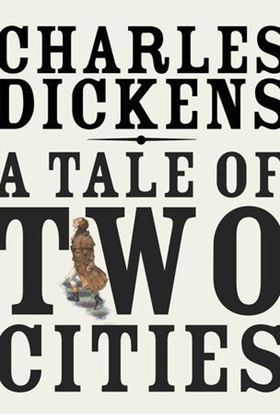
A TALE OF TWO CITIES
Set against the backdrop of the French Revolution, A Tale of Two Cities is one of Charles Dickens’s most popular and dramatic stories.
It begins on a muddy English road in an atmosphere charged with mystery and it ends in the Paris of the Revolution with one of the most famous acts of self-sacrifice in literature. In between lies one of Dickens’s most exciting books—a historical novel that, generation after generation, has given readers access to the profound human dramas that lie behind cataclysmic social and political events. Famous for its vivid characters, including the courageous French nobleman Charles Darnay, the vengeful revolutionary Madame Defarge, and cynical Englishman Sydney Carton, who redeems his ill-spent life in a climactic moment at the guillotine (“It is a far, far better thing that I do, than I have ever done”), the novel is also a powerful study of crowd psychology and the dark emotions aroused by the Revolution, illuminated by Dickens’s lively comedy.
850
295
295
1,100
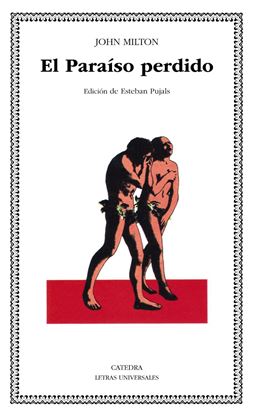
EL PARAISO PERDIDO
John Milton (1608-1674) es el más importante de los poetas en lengua inglesa del siglo XVII. Su profundo conocimiento de los clásicos y sus viajes por Europa, signos de la más típica formación renacentista, contribuyeron a la gestación de este poema que se produce como una obra de madurez. "El Paraíso perdido" es el poema más importante de contextura moderna. A partir del relato bíblico, el autor recrea un poema alegórico sobre el destino y la salvación humana.
1,100
2,500
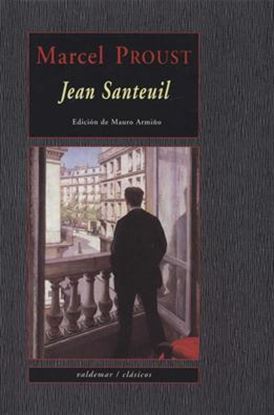
JEAN SANTEUIL
En 1952, el escritor francés André Maurois encontró una caja llena de hojas manuscritas en un guardamuebles de la familia de Marcel Proust. Estudiado el contenido y encontradas referencias epistolares al mismo, Maurois concluye que se trata de una novela de Proust iniciada en 1896 y enriquecida a lo largo de siete años por el escritor con sucesivos textos de índole autobiográfica: el encuentro con el poeta y crítico John Ruskin, su duelo con el escritor bohemio Jean Lorrain, su posición ante el «caso Dreyfus», etc.
En el prefacio Proust nos presenta a los dos principales personajes de la novela, Jean Santeuil y Henri de Réveillon, que son convocados por un escritor llamado C. a su lecho de muerte para ofrecerles su última novela, que Santeuil se encargará de publicar. Ese juego de la novela dentro de la novela no tarda en disolverse dando paso a la voz del protagonista, Jean Santeuil, cuyo nombre sirvió al primer editor de la novela para darle título, pues carecía de él. La génesis de Jean Santeuil es la «memoria» de los años de infancia, adolescencia y formación del protagonista, que empieza recordándose niño en los Champs-Elysées enamorado de una compañera de juegos, Marie Kossichef, para alternar luego ese recuerdo con descripciones contemporáneas: Santeuil está pasando una temporada en el castillo de Madeleine Lemaire.
Anjean Santeuilel lector podrá encontrar el origen de infinidad de anécdotas, obsesiones, reflexiones, paisaje y mundo amoroso desarrollado posteriormente en A la busca del tiempo perdido.
2,500
2,400
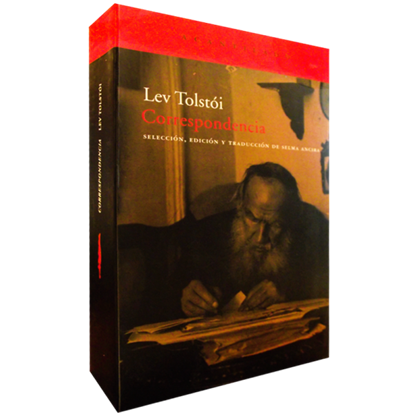
CORRESPONDENCIA
Se publica aquí una amplia selección de las cartas de Lev Tolstói, de gran relevancia en el conjunto de la obra de nuestro escritor. De las más de diez mil conservadas, Selma Ancira ha seleccionado, traducido y anotado minuciosamente las más significativas. Se incluyen varias de las cartas de amor que Tolstói escribió a Valeria Arsénieva y más tarde a su esposa Sofia Bers; aquellas en las que el escritor en ciernes describe sus impresiones como voluntario en la guerra del Cáucaso y en la de Crimea; las que nos hablan de sus viajes a Europa y sus inquietudes pedagógicas; las que nos informan sobre su debut en el mundo de las letras y los grandes momentos que vivió durante y después de la publicación de Guerra y paz y Anna Karénina. No falta la historia de su tormentosa amistad con Iván Turguéniev, la correspondencia dirigida a Rainer Maria Rilke, Romain Rolland, Bernard Shaw, Ivan Bunin, Máxim Gorki, Gandhi o Strájov, así como la célebre epístola al zar Nicolás II.
2,400