


995
WORKING TO RESTORE
Political upheaval and social turmoil have peeled back the glitzy layers of capitalism to reveal an uncomfortable truth: historically, businesses have sourced materials from remote corners of the globe and moved millions of people and tons of cargo around the clock—all in the name of profit. Yet many of today’s startups are rewriting the rules of business: how it’s done, by whom, and, most importantly, for what purpose. Journalist Esha Chhabra draws on her decades of reporting to explore not only the “feel good, do good” factors of these restorative enterprises but also the nuanced realities and promise of regenerative business operations.
995

500
WORTHY OPPONENTS (OF2)
Spencer Brooke always knew she was destined to be CEO of her grandfather’s business—the most respected and luxurious department store in New York City. Brooke’s has been at the center of every happy memory she has, but it hasn’t been an easy journey. Seven years after her father’s death, her life is very different from the days when she walked through the store with her grandfather as a young girl. She may be the owner of Brooke’s, but she’s also now a divorced single mother of twin boys. And with the ever-evolving landscape of the fashion industry comes new challenges for Spencer and the legacy she’s inherited.
Mike Weston is known for making enormous profits by transforming small businesses into bigger, more successful ones. With his marriage at a breaking point and his children grown up, investing is where he thrives—where he can build something greater. And Brooke’s feels like the perfect opportunity. Yet the firm’s beautiful and savvy CEO turns down the offer before they even meet.
Spencer has no interest in outside investors meddling in her family business; her grandfather never saw the need for them, and neither does she. She refuses to be tempted by Mike’s offer, despite her big dreams of expanding the store. But when bad luck strikes, suddenly she is backed into a corner.
In Worthy Opponents, Danielle Steel crafts a thrilling story about a powerful woman—and her equally formidable opponent.
500
1,250
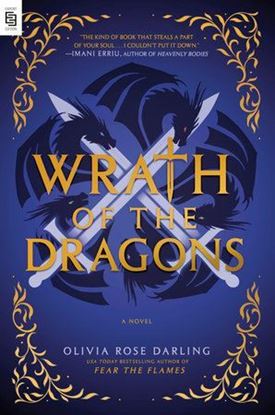
WRATH OF THE DRAGONS (2)
Cayden Veles, renowned Demon Commander of Vareveth, overthrew the throne to save Elowen Atarah, the woman he searched for since childhood. Now he’s determined to fulfill his quest for revenge against her father, even if it means forcing the only person he’s ever wanted into a marriage of political convenience.
Elowen Atarah has everything she thought she’d ever want. Finally reunited with her dragons, she now has an army to enact vengeance, but as events transpire, she begins contemplating if she wants more. As her father’s only living heir, the Imirath throne is her right and destiny. But fighting and winning a war will require trusting Cayden Veles, her partner in crime and now king to her queen; the man she both longs for and doubts, especially after opening her heart only to become a pawn in his game.
Navigating the shifting allegiances amongst all the kingdoms of Ravaryn will require all their strategy and strength, with devastating and bloody attacks on one side and cutthroat diplomacy for alliances on the other. But Elowen and Cayden must find a way to stand strong within the power they’ve gained, or risk losing everything.
Delving deeper into a vast and ever-changing world, Wrath of the Dragons will take you on a journey filled with epic battles and a tender, angsty love for the ages.
1,250

850
Y A TI QUE TE PICA? (BOL)
Nacho Duarte es un reconocido director de cine mexicano que, tras la muerte de su esposa, cerró las puertas de su corazón a cal y canto. Le gusta disfrutar con las mujeres, pero no suele repetir con la misma porque no piensa volver a enamorarse.
Su último trabajo lo traslada a España, donde va a rodar una película de acción cuya actriz principal es su amiga Estela Ponce. Sin embargo, para las escenas más peligrosas cuenta con la colaboración de Andrea Madoc, una militar estadounidense que, además, trabaja como especialista de cine.
Andy es una chica simpática, bromista y divertida que hará que el corazón del guapo director mexicano vuelva a latir con fuerza.
850

800
Y AHORA SUPERA MI BESO (BOL)
Hola, me llamo Amara y estoy aquí no para hablaros de mí, sino de Liam Acosta, ese guapísimo empresario que se dedica al negocio del vino en Tenerife y que sigue soltero porque quiere, pues siempre tiene a una legión de mujeres pendientes de él. Por lo que sé, un día recibió una misteriosa llamada telefónica para pedirle que viajara a Los Ángeles por un asunto urgente, que resultó ser ni más ni menos que un bebé.
A Liam, al principio, le costó mucho admitir su paternidad, pero cuando vio a la criaturita, el mundo se movió bajo sus pies: al igual que él, tenía el ojo derecho de dos colores. Así que, muy agobiado y tremendamente perdido, regresó a Canarias con su hijo.
Enseguida se dio cuenta de que necesitaba a alguien que le echara una mano y, por recomendación de mi amiga Verónica, me contrató a mí. De pronto Liam y yo, dos personas independientes y acostumbradas a no tener que dar explicaciones a nadie, hemos tenido que ponernos de acuerdo por el bien del pequeño. Y eso ha hecho que, sin apenas darnos cuenta, hayamos reconocido el uno en el otro a la persona que nunca hubiéramos esperado encontrar.
800
1,450
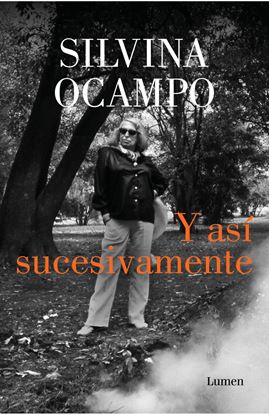
Y ASI SUCESIVAMENTE
Y así sucesivamente, publicado por primera vez en España en 1987, inauguró la última etapa de la obra de Silvina Ocampo con una prodigiosa exhibición de vitalidad literaria. Lejos de todo ideal de serenidad, de madurez apacible o desencantada, el "estilo tardío" de la autora renovó su pacto con el arte narrativo y la magia para crear ficciones cada vez más insólitas, más poéticas, más experimentales. Por eso no es casual que incluyera en este libro dos cuentos publicados en la revista Sur en 1938 (y nunca antes recogidos en volumen), como si hubiese descubierto, pasados los ochenta años, que aún tenía toda su juventud por delante. Porque sólo una imaginación soberana, invulnerable al desgaste gradual que impone la experiencia, podía inventar con tanta soltura un niño prodigio que toca con el dedo gordo del pie, en un piano desafinado, obras de grandes compositores inspiradas en el agua; una mujer que se transforma en automóvil; una estatua ecuestre que ejecuta una venganza; un jardinero que echa raíces, literalmente, en la tierra; o un perro enamorado de un trapo de piso. Estos son algunos de los personajes que pueblan Y así sucesivamente, uno de los libros más deslumbrantes de una escritora que mantuvo, a lo largo de su vida y de su obra, una discreta convivencia con los milagros.
1,450