



850
ISHURA 1
¡Empieza el Torneo Mortal! Llega a librerías españolas el manga oficial de la aclamada serie de novelas fantásticas creada por Keiso, con millones de lectores en todo el mundo y un famoso anime disponible en Crunchyroll. Si buscas tramas llenas de acción y demonios, no puedes perderte esta trepidante obra de tan solo 4 volúmenes. El Rey Demonio, que sumió al mundo en el terror, ha muerto a manos de un desconocido. Para localizarlo, la nación de Aureatia organiza el torneo imperial 'Espectáculo hexacardinal', en el que 16 individuos ultrapoderosos llamados shura pelearán entre ellos.
850

850
ISLA CON MADRE
Un hijo, una madre. Ella, joven todavía, ha enfermado. Intercambiando roles, él la cuida y, a la vez, se despide y la celebra. Todas y cada una de las palabras de este libro resuenan con temblor, intensidad y precisión, delimitando el dolor compartido con respeto amoroso. De hondura lírica y delicada sobriedad: así se revela su escritura. También su silencio.
Andrés Neuman escribió estos poemas en secreto, cuidando de su madre frente a la proximidad de la muerte: la poesía como testimonio y refugio para crear un espacio —una isla de sentido— donde fijar la presencia amada, traduciendo su cuerpo a una música íntima. Aquellos textos permanecieron al fondo de un cajón, garabateados en hojas sueltas y papeles de hospital, sin que su autor se atreviese a releerlos. Quince años más tarde, impulsado por la intuición de que sólo abriendo el manuscrito resultaría posible cerrar el duelo, hoy rescata estos versos que entretejen tristeza y luminosidad.
Perpetuación de la madre mediante la lengua materna, ritual de gratitud, Isla con madre se arroja a nombrar la difícil belleza y la cruda emoción que irradia.
850

500
ISLA DECEPCION (OF)
Tras renunciar a un trabajo que odia, Marcela huye de su vida en Santiago de Chile para visitar a su padre en Punta Arenas, en la Patagonia. Allí descubre que Miguel, con quien tiene una relación compleja, mantiene escondido a un joven coreano que un grupo de pescadores ha rescatado en el mar. Aislado tras un muro de silencio y una historia traumática, Lee es un misterio por descifrar, un superviviente en el que ambos se vuelcan para evitar resolver sus propias diferencias.
Inspirada en casos reales de marineros orientales que ponen en peligro sus vidas saltando de los barcos-factoría que navegan por el estrecho de Magallanes, Isla Decepción cuenta la historia de tres prófugos que buscan un refugio para no rendirse. Abordando el estado de explotación actual de los mares y condiciones de trabajo impensadas en pleno siglo XXI, la novela cruza la frontera de lo real para arribar a una nueva orilla, una en la que la soledad, los errores y la desesperación todavía pueden convertirse en una aventura.
Escrita con un ritmo cinematográfico heredero del cine coreano, tan poética como violenta, Isla Decepción es la esperada primera novela de Paulina Flores, ganadora del Premio Roberto Bolaño, elegida por Granta como una de las mejores narradoras en español y cuyo primer libro, Qué vergüenza, ha sido unánimemente alabado por la crítica y traducido internacionalmente.
500

950
ISLA MALDITA (CAMINO ISLAND 3) (BOL)
Bruce Cable le cuenta a su amiga la escritora Mercer Mann una irresistible historia que bien podría convertirse en su nueva novela. Una poderosa empresa constructora está usando todos sus recursos para reclamar la propiedad de una isla semidesierta frente a Florida. Solo la última habitante del lugar, Lovely Jackson, se interpone en su camino.
Lo que la constructora desconoce es que se dice que Dark Isle está maldita: los ahogamientos, las desapariciones y la locura han sido el destino de los intrusos. Fue fundada por esclavos hace trescientos años y sus descendientes vivieron allí hasta 1955, cuando la última fue obligada a abandonarla. Lovely afirma ser su legítima propietaria, aunque no tiene ninguna manera de probarlo.
Pero con Cable, Mann y el abogado Steven Mahon luchando en su bando, la batalla solo acaba de empezar. Porque en esta isla con una historia violenta y misteriosa... el pasado nunca se deja atrás.
950

995
ISLA MALDITA. CAMINO 3
Bruce Cable le cuenta a su amiga la escritora Mercer Mann una irresistible historia que bien podría convertirse en su nueva novela. Una poderosa empresa constructora está usando todos sus recursos para reclamar la propiedad de una isla semidesierta frente a Florida. Solo la última habitante del lugar, Lovely Jackson, se interpone en su camino.
Lo que la constructora desconoce es que se dice que Dark Isle está maldita: los ahogamientos, las desapariciones y la locura han sido el destino de los intrusos. Fue fundada por esclavos hace trescientos años y sus descendientes vivieron allí hasta 1955, cuando la última fue obligada a abandonarla. Lovely afirma ser su legítima propietaria, aunque no tiene ninguna manera de probarlo.
Pero con Cable, Mann y el abogado Steven Mahon luchando en su bando, la batalla solo acaba de empezar. Porque en esta isla con una historia violenta y misteriosa... el pasado nunca se deja atrás.
995
995
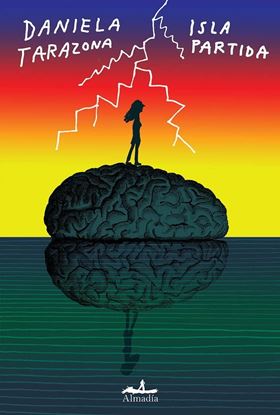
ISLA PARTIDA
En los pasillos de esta novela, una mujer se repite y multiplica. Se parte en dos. En este mundo feroz donde el dolor persigue y es difícil encontrar un lugar, una de ellas elige la renuncia y el escape; la otra permanece siguiendo su propio rastro. Algo sucede en su cerebro. En ese trance, cuando sus recuerdos, sueños y miedos se entrecruzan en un presente continuo, ellas se preguntan si el pulso de su deseo es seguir viviendo. Isla partida es una novela fractal, deforme, poliédrica, una escritura del delirio que retrata un pensamiento desordenado, estremecido, fuera de los límites; una casa de los espejos hecha de lenguaje. ¿Qué es el mundo sino un manojo de percepciones que una mente ordena y describe con palabras? ¿Es la realidad el resultado de una escritura en código, definido por la sinapsis? Si esto es así, ¿qué pasa cuando las neuronas aumentan su transmisión de iones, o un chorro de electricidad satura su comunicación y la desborda? ¿Puede la escritura dar cuenta de esa mente y las creaciones de sus descargas eléctricas? Con Isla partida estamos ante el trabajo más valiente y arriesgado de Daniela Tarazona. Una experiencia narrativa y poética donde cuerpo, memoria y delirio entran en tensión; una exploración de la mente y la escritura como campos electromagnéticos en la que distintas corrientes y voltajes chocan para recomponer el mundo y, por tanto, la identidad del yo.
995