
1,800
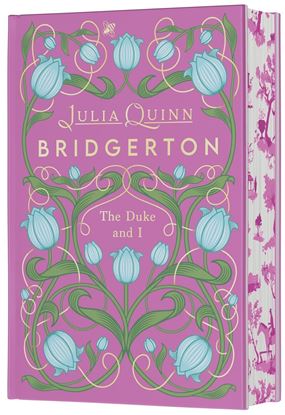
THE DUKE AND I (1) DELUXE COLLECTORS
In the ballrooms and drawing rooms of Regency London, rules abound. From their earliest days, children of aristocrats learn how to address an earl and curtsey before a prince—while other dictates of the ton are unspoken yet universally understood. A proper duke should be imperious and aloof. A young, marriageable lady should be amiable…but not too amiable.
Daphne Bridgerton has always failed at the latter. The fourth of eight siblings in her close-knit family, she has formed friendships with the most eligible young men in London. Everyone likes Daphne for her kindness and wit. But no one truly desires her. She is simply too deuced honestfor that, too unwilling to play the romantic games that captivate gentlemen.
Amiability is not a characteristic shared by Simon Basset, Duke of Hastings. Recently returned to England from abroad, he intends to shun both marriage and society—just as his callous father shunned Simon throughout his painful childhood. Yet an encounter with his best friend’s sister offers another option. If Daphne agrees to a fake courtship, Simon can deter the mamas who parade their daughters before him. Daphne, meanwhile, will see her prospects and her reputation soar.
The plan works like a charm—at first. But amid the glittering, gossipy, cut-throat world of London’s elite, there is only one certainty: love ignores every rule...
This novel includes the second epilogue, a peek at the story after the story.
1,800

1,850
1,200
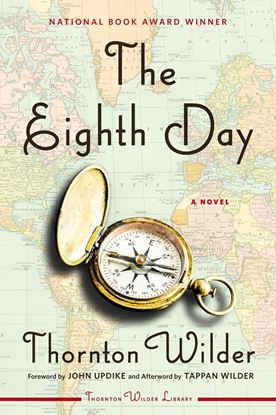
THE EIGHTH DAY
At once a murder mystery and a philosophical tale, The Eighth Day is a “suspenseful and deeply moving” (New York Times) work of classic stature that has been hailed as a great American epic.
Set in a mining town in southern Illinois, the novels centers around two families blasted apart when the patriarch of one family, John Ashley, is accused of murdering his best friend. Ashley's miraculous jailbreak on the eve of his execution and his subsequent flight to South America trigger a powerful story tracing the fates of all those whose lives are forever changed by the tragedy: Ashley himself, his wife and children, and the wife and children of the victim.
1,200
1,450
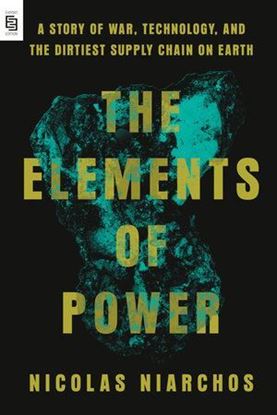
THE ELEMENTS OF POWER
Congo is rich. Swaths of the war-torn African country lack basic infrastructure, and, after many decades of colonial occupation, its people are officially among the poorest in the world. But hidden beneath the soil are vast quantities of cobalt, lithium, copper, tin, tantalum, tungsten, and other treasures. Recently, this veritable periodic table of resources has become extremely valuable because these metals are essential for the global “energy transition”—the plan for wealthy nations to wean themselves off fossil fuels by shifting to sustainable forms of energy, such as solar and wind. The race to electrify the world’s economy has begun, and China has a considerable head start. From Indonesia to South America to Central Africa, Beijing has invested in mines and infrastructure for decades. But the U.S. has begun fighting back with massive investments of its own, as well as sanctions and disruptive tariffs.
In this rush for green energy, the world has become utterly reliant on resources unearthed far away and willfully blind to the terrible political, environmental, and social consequences of their extraction. If the Democratic Republic of the Congo possesses such riches, why are its children routinely descending deep into treacherous mines to dig with the most rudimentary of tools, or in some cases their bare hands? Why are Indonesia’s seas and skies being polluted in a rush for battery metals? Why is the Western Sahara, a source for phosphates, still being treated like a colony? Who must pay the price for progress?
1,450
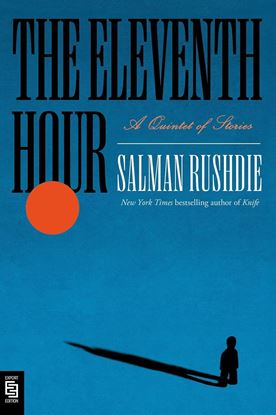
1,350
THE ELEVENTH HOUR
Dazzling new short stories from Salman Rushdie that transport us around the world from Bombay neighbourhoods to elite English universities, in his first new fiction since "Victory City".
1,350
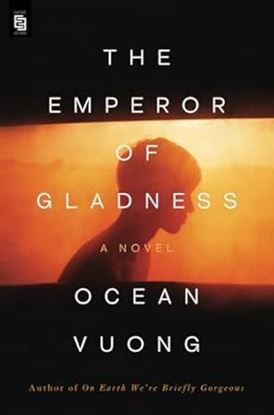
1,250
THE EMPEROR OF GLADNESS
One late summer evening in the post-industrial town of East Gladness, Connecticut, nineteen-year-old Hai stands on the edge of a bridge in pelting rain, ready to jump, when he hears someone shout across the river.
1,250