1,250
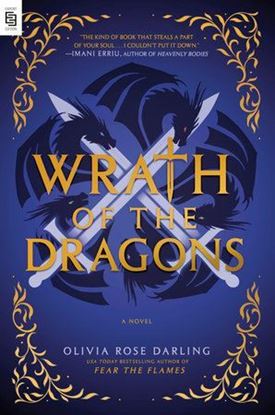
WRATH OF THE DRAGONS (2)
Cayden Veles, renowned Demon Commander of Vareveth, overthrew the throne to save Elowen Atarah, the woman he searched for since childhood. Now he’s determined to fulfill his quest for revenge against her father, even if it means forcing the only person he’s ever wanted into a marriage of political convenience.
Elowen Atarah has everything she thought she’d ever want. Finally reunited with her dragons, she now has an army to enact vengeance, but as events transpire, she begins contemplating if she wants more. As her father’s only living heir, the Imirath throne is her right and destiny. But fighting and winning a war will require trusting Cayden Veles, her partner in crime and now king to her queen; the man she both longs for and doubts, especially after opening her heart only to become a pawn in his game.
Navigating the shifting allegiances amongst all the kingdoms of Ravaryn will require all their strategy and strength, with devastating and bloody attacks on one side and cutthroat diplomacy for alliances on the other. But Elowen and Cayden must find a way to stand strong within the power they’ve gained, or risk losing everything.
Delving deeper into a vast and ever-changing world, Wrath of the Dragons will take you on a journey filled with epic battles and a tender, angsty love for the ages.
1,250
600
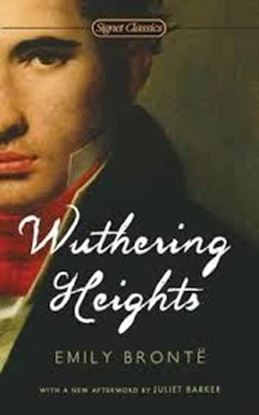
WUTHERING HEIGHTS
There are few more convincing, less sentimental accounts of passionate love than Wuthering Heights. This is the story of the savage, tormented foundling Heathcliff, who falls wildly in love with Catherine Earnshaw, the daughter of his benefactor, and of the violence and misery that result from their thwarted longing for each other.
600

1,350
YOU BELONG TO ME (HC)
Frances Bean has always been content living life on the perimeter. Until she gets paired up for a class project with rich and popular Julia, daughter of famous wellness guru Deena Patterson. The "magic" skincare products, healing sound baths, and extravagant parties of Deena’s company DEEP never really interested Frances before, who wears the badge of goth outcast and bookworm proudly. But face time with the girl she has been crushing on for years is starting to give her a new outlook.
1,350
1,350
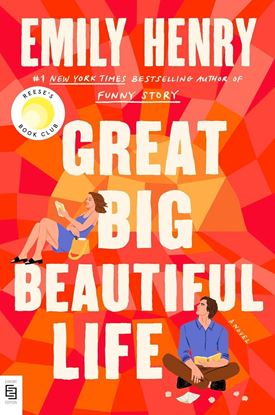
GREAT BIG BEAUTIFUL LIFE
ALICE SCOTT is an eternal optimist still dreaming of her big writing break. Hayden Anderson is a Pulitzer Prize-winning human thundercloud. And they're both on balmy Little Crescent Island for the same reason: to write the biography of a woman no one has seen in years or at least to meet with the octogenarian who claims to be the Margaret Ives. Tragic heiress, former tabloid princess, and daughter of one of the most storied (and scandalous) families of the twentieth century. When Margaret invites them both for a one-month trial period, after which she'll choose the person.who'll tell her story, there are three things keeping Alice's head in the game. One: Alice genuinely likes people, which means people usually like Alice—and she has a whole month to win the legendary woman over. Two: she's ready for this job and the chance to impress her perennially unimpressed family with a Serious Publication. | Three: Hayden Anderson, who should have no reason to be concerned about losing this book, is glowering at her in a shaken-to-the core way that suggests he sees her as competition.
1,350
650
650