NOVEDADES









1,200
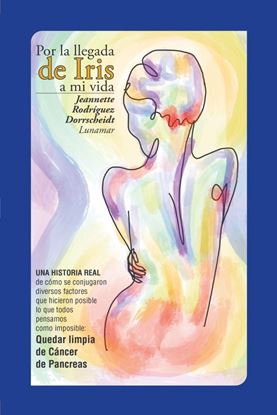
POR LA LLEGADA DE IRIS A MI VIDA
Desde el 25 de enero de 2016; cuando
Mari, una amiga, me regaló una libreta, decidí
comenzar a escribir mi nueva historia, la
historia de Iris (mi cáncer de páncreas), y
de cómo ella me transformó, tanto física,
como emocional y espiritualmente.
1,200
1,550
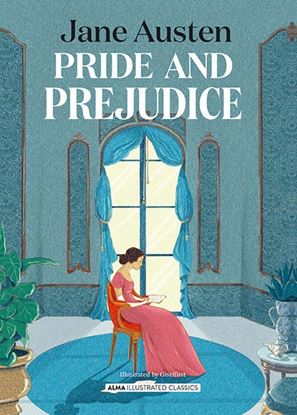
PRIDE AND PREJUDICE (ANNOTATED EDICION)
Jane Austen began writing Pride and Prejudice when she was just twenty years old, though it would not be published until seventeen years later, in 1813. Widely regarded as one of the first romantic comedies in literary history, the novel’s entanglements and misunderstandings are deftly interwoven with a sharp, ironic critique of English society.
Mrs Bennet is determined to secure a prosperous future for her five daughters through advantageous marriages. Her second-eldest, Elizabeth, is just as resolute that Fitzwilliam Darcy – the most arrogant, self-important man she has ever met – will not be one of her suitors. Darcy, in turn, considers Elizabeth an unfit match due to her lower social standing and limited connections. Yet the heart seldom obeys reason, and both are forced to examine their own prejudices in the pursuit of true love.
1,550
7,700
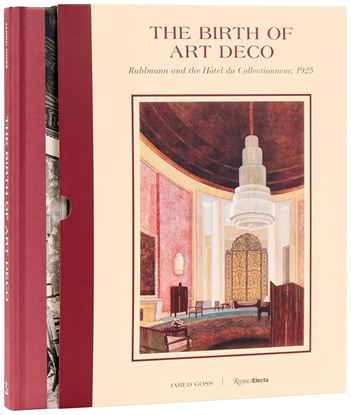
THE BIRTH OF ART DECO: RUHLMANN AND L H.
This book celebrates the 1925 Paris Exposition—at its centenary—a landmark event that shaped twentieth-century design and gave its name to Art Deco. The exposition dazzled over sixteen million visitors during its run, showcasing the pinnacle of French luxury goods and design innovation.
Renowned as the preeminent exponent of French Art Deco, Ruhlmann (1879–1933) was recognized for the aesthetic refinement, luxurious materials, and impeccable craftsmanship of his creations. Inspired by eighteenth-century pleasure pavilions, Ruhlmann’s pavilion, L’Hôtel du Collectionneur (The Town House of the Collector), was one of the most admired exhibits at the fair. Conceived as a modern-day Trianon, it was filled with his own sumptuous furnishings together with a meticulous selection of objets d’art by his contemporaries, including Edgar Brandt, Jean Dunand, and Jean Puiforcat.
7,700
850
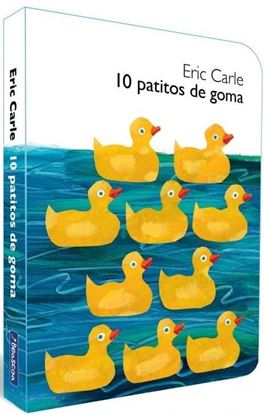
10 PATITOS DE GOMA (COLECCION CARLE)
¡10 patitos de goma han caído por la borda!
Embárcate en este viaje por alta mar con 10 patitos de goma que flotan en el océano mientras descubren el mundo. Todos viven su propia aventura, pero hay uno en particular que encuentra una cosa muy especial.
850
1,300
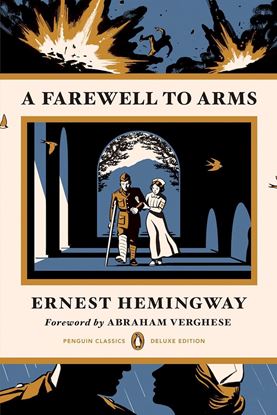
A FAREWELL TO ARMS
A Farewell to Arms is one of Ernest Hemingway’s most popular books, a masterpiece that is not only among the greatest novels to come out of World War I but also one of the most profoundly moving in the American canon. Based on Hemingway’s own experience volunteering with the Red Cross in Italy during World War I, and written when he was only thirty, it tells the story of Frederic Henry, an American ambulance driver, and Catherine Barkley, an English nurse. For Frederic, Catherine’s kindness and beauty shore him up against the carnage of battle; for Catherine, Frederic’s strength and devotion are a lifeboat in the sea of grief over her first love. Through injury, surgery, and the psychic fallout of war, they maintain an overwhelming desire to be together, even as forces conspire to keep them apart. Hemingway captures the intensity of both love and war with the taut immediacy and spare, understated eloquence that are his hallmarks, reminding us why this novel—his first bestseller—endures as a favorite, and why the Nobel laureate ranks among our most treasured writers.
1,300

1,400
INTRODUCCION AL PENSAMIENTO COMPLEJO
La patología moderna está en la hipersimplificación que ciega la complejidad de lo real. Pero ¿cómo encarar la complejidad del conocimiento humano de un modo no simplificador? El pensamiento complejo está animado por una tensión permanente entre la aspiración a un saber no parcelado, no dividido, no reduccionista, y el reconocimiento de lo inacabado e incompleto de todo conocimiento. En este libro se recoge una serie de ensayos y presentaciones, realizados entre 1976 y 1988, en los que Edgar Morin introduce el concepto de lo complejo, de lo transdisciplinar. Su búsqueda es la de, desde ámbitos muy diversos de la práctica social y científica, desarrollar un modo complejo de pensar la experiencia humana. Este modo debe permitir una praxis ética no solo en el campo del conocimiento, sino de la acción cotidiana cualquiera sea el ámbito en el que nos desempeñamos. El conocimiento, así, siempre será, por necesidad, mulltidimensional, abierto y flexible, aunando a los seres humanos en su aventura hacia el descubrimiento de nosotros mismos, nuestros límites y nuestras posibilidades.
1,400