
NOVEDADES









1,300
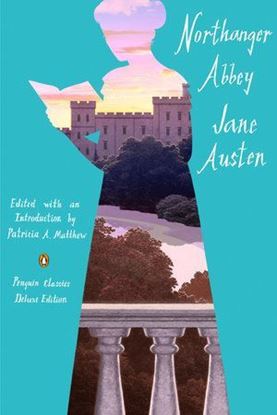
NORTHANGER ABBEY
During an eventful season at Bath, young, naïve Catherine Morland experiences fashionable society for the first time, both its pleasures and its pitfalls. She is delighted with her new acquaintances: flirtatious Isabella, who shares Catherine’s love of Gothic romance and horror, and sophisticated Henry and Eleanor Tilney, who invite her to their father’s mysterious house, Northanger Abbey. There, Cather learns the danger of an active imagination. With its broad comedy and irrepressible heroine, this is the most youthful and optimistic of Jane Austen’s works.
1,300
1,300
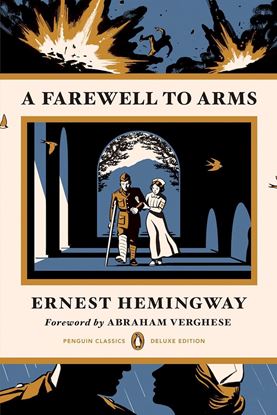
A FAREWELL TO ARMS
A Farewell to Arms is one of Ernest Hemingway’s most popular books, a masterpiece that is not only among the greatest novels to come out of World War I but also one of the most profoundly moving in the American canon. Based on Hemingway’s own experience volunteering with the Red Cross in Italy during World War I, and written when he was only thirty, it tells the story of Frederic Henry, an American ambulance driver, and Catherine Barkley, an English nurse. For Frederic, Catherine’s kindness and beauty shore him up against the carnage of battle; for Catherine, Frederic’s strength and devotion are a lifeboat in the sea of grief over her first love. Through injury, surgery, and the psychic fallout of war, they maintain an overwhelming desire to be together, even as forces conspire to keep them apart. Hemingway captures the intensity of both love and war with the taut immediacy and spare, understated eloquence that are his hallmarks, reminding us why this novel—his first bestseller—endures as a favorite, and why the Nobel laureate ranks among our most treasured writers.
1,300

1,300
FIFTY SHADES OF GREY (PB)
When literature student Anastasia Steele goes to interview young entrepreneur Christian Grey, she encounters a man who is beautiful, brilliant, and intimidating. The unworldly, innocent Ana is startled to realize she wants this man and, despite his enigmatic reserve, finds she is desperate to get close to him. Unable to resist Ana’s quiet beauty, wit, and independent spirit, Grey admits he wants her, too—but on his own terms.
Shocked yet thrilled by Grey’s singular erotic tastes, Ana hesitates. For all the trappings of success—his multinational businesses, his vast wealth, his loving family—Grey is a man tormented by demons and consumed by the need to control. When the couple embarks on a daring, passionately physical affair, Ana discovers Christian Grey’s secrets and explores her own dark desires.
1,300
1,300
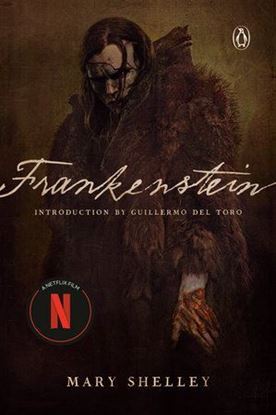
FRANKENSTEINS (NETFLIX TIE-IN)
Obsessed with creating life, Victor Frankenstein plunders graveyards for the material to fashion a new being, which he shocks into life with electricity. But his botched creature, rejected by Frankenstein and denied human companionship, sets out to destroy his maker and all that he holds dear. This chilling gothic tale, begun when Mary Shelley was just nineteen years old, would become the world’s most famous work of horror fiction, and is now the inspiration of a film adaptation written and directed by Guillermo del Toro and starring Oscar Isaac, Jacob Elordi, and Mia Goth.
1,300

1,300
CARTAS EXTRAORDINARIAS
En estas Cartas extraordinarias María Negroni ilumina el mundo en que vivieron y crearon Louisa May Alcott, Emilio Salgari, Charles Dickens, Mark Twain, Jack London y tantos otros grandes del siglo XIX, cuyas narraciones serán siempre nuestro ADN sensible, las marcas que han dejado en nuestro corazón aquellas primeras lecturas.
Correspondencia cuidadosamente apócrifa, a veces improbable, o imposible por anacrónica, a veces incluso dirigida a personajes de ficción que, sin ignorar las circunstancias biográficas, históricas y sociales, emprenden, casi con saña, una empedernida reflexión en torno a los costos y peligros de la escritura.
1,300
1,300
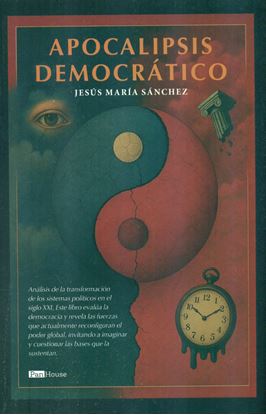
APOCALIPSIS DEMOCRATICO
Este libro analiza las bases de un sistema que, aunque promete libertad y justicia, muestra grietas profundas que han evolucionado con el tiempo. Desde las asambleas de Atenas hasta las revoluciones modernas explora la evolución de la democracia y sus tensiones actuales, marcadas por intereses económicos dominantes, la influencia de los medios de comunicación y poderes ocultos que desafían la transparencia. Cuestiona si las elecciones son suficientes para garantizar un poder ciudadano real en un mundo complejo y lo compara con modelos como el de China, donde el control centralizado ofrece estabilidad, eficiencia y continuidad de estado.
Además, aborda cómo la globalización ha intensificado estas tensiones con corporaciones multinacionales influyendo sobre los gobiernos y alejándolos de las necesidades populares. Examina la desinformación digital, donde algoritmos y redes sociales fragmentan el consenso social, y analiza el rol de las élites políticas y económicas, que mediante lobbies
desvían las prioridades legislativas, erosionando la confianza ciudadana.
1,300