
NOVEDADES







1,300
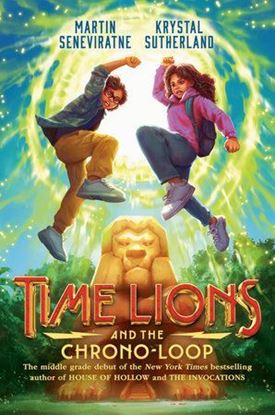
TIME LIONS AND THE CHRONO-LOOP
Twins Pearl and Patrick are no ordinary twelve-year-olds. They’re geniuses, hiding in plain sight, who pull heists all over the world to further their scientific and historical research. Their criminal activity, including grand theft auto and espionage, has made them a regular nuisance to both the CIA and MI5. But it’s all been worth it. They’ve finally achieved their greatest triumph: time travel. Pearl’s Chrono-Loop can take the twins anywhere in time! Their first stop: ancient Egypt, where they even get to see King Tut!
But when they return home, they’re arrested by TIME—The Interdimensional Misconduct Enquiry—a secret organization charged with maintaining the timeline. Turns out Pearl and Patrick didn’t invent time travel, after all—that happened two hundred years ago! And what Pearl did in ancient Egypt—killing a mosquito—could have rewritten history as we know it if not for TIME agents stepping in.
1,300
1,300
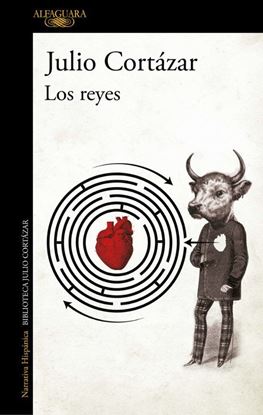
LOS REYES
«¡Cede lugar a mi secreto amor! ¡Ven, hermano, ven, amante al fin! ¡Surge de la profundidad que nunca osé salvar, asoma desde la hondura que mi amor ha derribado! ¡Brota asido al hilo que te lleva el insensato!».
Los reyes (1949), primer libro publicado por Cortázar con su nombre verdadero, es un poema dramático que propone una curiosa variante del mito del Minotauro: Ariadna no está enamorada de Teseo sino del monstruo que habita en el centro del laberinto. Gran conocedor de la estructura cerrada y fatal de los mitos griegos, Cortázar se las ingenia para que la historia tenga, de todas formas, el desenlace conocido: a pesar de las intenciones de su amada, el monstruo elige morir a manos de Teseo. Esta obra de estilo clásico y rara belleza, que ocupa un lugar de excepción dentro de la riquísima obra literaria de Cortázar, tiene el mérito enorme de respetar y, al mismo tiempo, transgredir la tradición.
1,300
1,300
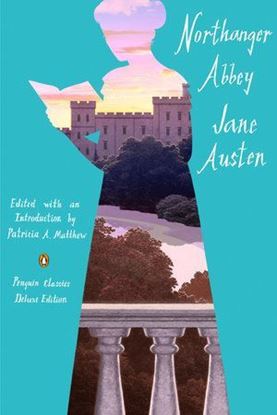
NORTHANGER ABBEY
During an eventful season at Bath, young, naïve Catherine Morland experiences fashionable society for the first time, both its pleasures and its pitfalls. She is delighted with her new acquaintances: flirtatious Isabella, who shares Catherine’s love of Gothic romance and horror, and sophisticated Henry and Eleanor Tilney, who invite her to their father’s mysterious house, Northanger Abbey. There, Cather learns the danger of an active imagination. With its broad comedy and irrepressible heroine, this is the most youthful and optimistic of Jane Austen’s works.
1,300
1,300
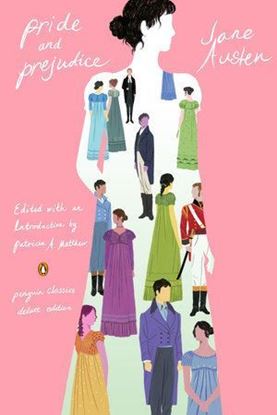
PRIDE AND PREJUDICE
Generations of readers have fallen in love with Jane Austen’s beloved classic Pride and Prejudice. The sparkling Elizabeth Bennet, the taciturn Fitzwilliam Darcy, and an array of characters that range from irrepressible to almost irredeemable, move through this comedy of manners about the danger of first impressions. Set in a provincial world away from London, Austen’s novel pokes fun at the machinations of courtship rituals while celebrating the importance of friendship and sisterhood.
1,300
1,300
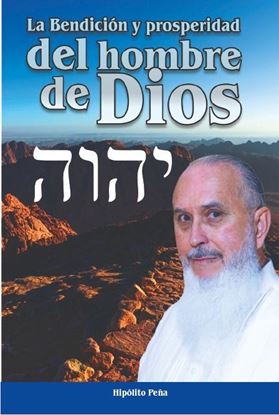
LA BENDICION Y PROSPERIDAD DEL HOMBRE DE
Y en esos días abriré los tesoros de berajot que están en los Shamaim, para hacerlos descender sobre la tierra, sobre las obras y el trabajo de los benei de los hombres.
Y la Shalom y la Emet estarán unidas todos los días del olam y por todas las generaciones.
Janokj Enoc 11:1-12
Pero si lo obedeces y haces todo lo que Yo diga, Yo Seré enemigo de tus enemigos, y adversario de tus adversarios.
Shemot Nombres 23:22
1,300

1,300
DEL CAMPO AL RESORT
Este libro explora con claridad y profundidad la fascinante transformación histórica y económica de la República Dominicana, desde su tradicional rol como productor agrícola de exportación en las décadas de 1960 y 1970 centrado en rubros como el azúcar, café, cacao y tabaco; hasta convertirse progresivamente en una economía basada en el turismo masivo bajo el modelo hotelero "todo incluido". A través del análisis crítico y detallado, se examinan factores clave como la implementación de la Ley 299 de incentivo industrial promulgada por el presidente Joaquín Balaguer y, posteriormente, la Ley 69 de Zonas Francas Especiales, que jugaron un papel decisivo en el cambio estructural del país. Este tránsito implicó un declive paulatino de la agricultura tradicional y el surgimiento simultáneo de sectores económicos dependientes fundamentalmente del consumo turístico y hotelero, redefiniendo así el perfil productivo y cultural dominicano. La investigación arroja luz sobre las implicaciones sociales, económicas y ambientales de esta transición, ofreciendo al lector una visión integral de cómo República Dominicana evolucionó desde un modelo basado en la producción agrícola hacia uno eminentemente enfocado en el turismo, destacando tanto los beneficios como los desafíos de dicho proceso histórico.
1,300