NOVEDADES












1,995
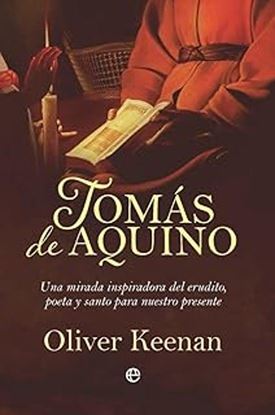
TOMAS DE AQUINO
Con ocasión de los 800 años del nacimiento de santo Tomás de Aquino (1225), Oliver Keenan, profesor de Filosofía de la Universidad de Oxford, reivindica la figura del Aquinate no solo como un clásico imprescindible, sino como un pensador revolucionario cuya obra tiene una urgente relevancia en nuestra época. Su pensamiento, aunque anclado en la fe cristiana, no se impone como dogma, sino que dialoga con la razón, el arte, la filosofía y la experiencia humana. Keenan argumenta que Tomás sigue importando porque nos invita a comprender el mundo como una red viva de relaciones entre personas, naturaleza y Dios, en una era marcada por el aislamiento, el individualismo y el ruido ideológico. Lejos de ser un mero monumento arqueológico del pensamiento medieval, santo Tomás de Aquino ofrece hoy lucidez y orientación frente a la alienación, la fragmentación y la deshumanización que caracterizan nuestra vida contemporánea.
1,995

1,995
HABITOS ATOMICOS EN ACCION
Tras convertirse en el fenómeno editorial del momento y traducirse a más de 60 lenguas, James Clear nos presenta el libro que sus lectores estaban esperando: Hábitos atómicos en acción. Una obra práctica e interactiva que te ayudará a transformar la inspiración en resultados. Con ejercicios claros, plantillas guiadas y reflexiones profundas para aplicar en tu día a día las cuatro leyes del cambio de conducta: hacer los hábitos obvios, atractivos, fáciles y satisfactorios.
A través de estrategias sencillas, brillantes consejos y herramientas para superar los obstáculos más comunes, Clear te acompaña paso a paso para:
- Diseñar rutinas que te funcionen.
- Deshacerte de los hábitos que ya no deseas.
- Consolidar cambios duraderos.
1,995

1,995
LAS AVENTURAS DE TINTIN. VOLUMEN 1 (TD)
En esta primera aventura, que se empezó a publicar por tiras en el suplemento para niños del periódico belga Le Vingtième Siècle, Hergé empieza a dibujar al que será el reportero más famoso de todos los tiempos: Tintín. Para su primer viaje, lo envía al país de los soviets, con una voluntad por parte del periódico de propaganda anticomunista, de la que años más tarde, Hergé se arrepiente. Al volver de la antigua Unión Soviética, Hergé recibe el encargo de enviar al joven reportero al Congo, entonces una colonia belga, y el cómic resultante es una excelente representación de la visión que tenían en aquel momento los europeos de África. En la tercera aventura dentro de este tomo, a Tintín le toca cambiar de continente y viajar a América del Norte, donde tendrá que afrontar al terrible sindicato de gánsteres de Chicago, entre los cuales está el famosísimo Al Capone. Hergé quiso mostrar lo máximo posible de América, como los paisajes diversos, las grandes ciudades e industrias, la prohibición de las bebidas alcohólicas, y la espoliación de los indios piel roja, denunciando la forma en la que fueron ahuyentados de sus tierras cuando se encontró petróleo en estas.
1,995

1,995
EL PSICOANALISTA (ED. CANTOS PINTADOS)
«Feliz 53 cumpleaños, doctor.
Bienvenido al primer día de su muerte.»
Así comienza el anónimo que recibe Frederick Starks, psicoanalista con una larga experiencia y una vida tranquila. Starks tendrá que emplear toda su astucia y rapidez para, en quince días, averiguar quién es el autor de esa amenazadora misiva que promete hacerle la existencia imposible. De no conseguir su objetivo, deberá elegir entre suicidarse o ser testigo de cómo, uno tras otro, sus familiares y conocidos mueren por obra de un asesino, un psicópata decidido a llevar hasta el fin su sed de venganza. Dando un inesperado giro a la relación entre médico y paciente, John Katzenbach nos ofrece una novela en la tradición del mejor suspense psicológico.
1,995
1,995
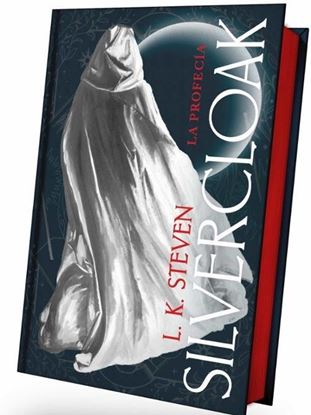
SILVERCLOAK: LA PROFECIA (ED. ESPECIAL)
Hace dos décadas, los Lunas de Sangre asesinaron de forma despiadada a los padres de Saffron Killoran, lo que destrozó su idílica infancia. Decidida a vengarse, Saffron se abre paso a base de mentiras hasta la Academia de los Capas Argénteas, la institución donde entrenan los detectives de élite de su ciudad, con un solo objetivo: llevar a los Lunas de Sangre ante la justicia.
Sin embargo, cuando sus mentiras quedan al descubierto, en lugar de ser expulsada, recibe una oportunidad única: infiltrarse en la organización de los Lunas de Sangre y acabar con ella desde dentro.
Al sumergirse en un mundo en el que el placer y el dolor son las monedas de cambio más poderosas, deberá cometer actos verdaderamente atroces para mantenerse con vida. No solo tendrá que enfrentarse a bandas rivales y siniestras redes de contrabando, sino también a los sentimientos que alberga hacia el atormentado hijo del cabecilla, su pasado oscuro y la curiosa profecía que predijo que él moriría a manos de ella.
Con cada día que pasa poniendo a prueba sus lealtades, Saffron descubre que cada vez le resulta más difícil tejer su red de mentiras y, cuando un paso en falso está a punto de destruir todo y a todos a los que ha amado, la detective que ha dedicado toda su vida a la venganza tal vez tenga que morir por ella.
«Con un mundo inmersivo, personajes cautivadores e imperfectos y una exploración precisa de lo que significa tener moral en un mundo indiferente, Silvercloak: La profecía de L.K. Steven es una novela de fantasía deslumbrante (y, a menudo, muy sensual).
1,995
1,995
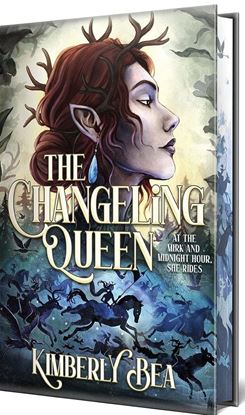
THE CHANGELING QUEEN: DELUXE
On Samhain in medieval Scotland, pregnant Janet rescues her lover Tam Lin from being sacrificed by the Wild Hunt—but the callous Faery Queen is not finished with them yet. Over the span of a single night, the Queen and Janet spar over Tam Lin’s fate. The Queen aims to win, knowing how fickle mortals can be. Long before she was royalty, she was simply Bess, the changeling daughter of a midwife.
Born with magical and mortal blood, Bess feared there was no true place for her on either side of the veil. She found refuge in the arms of the charming Thomas Shepherd, the bastard son of a local noble. While villagers viewed her as a scandal, Bess’s cunning knowledge and secret dark gifts attracted the attention of the elf lord Amadan. Wily and silver-tongued, Amadan led Bess into Faery’s realm of decadence, where her heart warred against her destiny. She fought to keep both—but at what cost?
1,995