
NOVEDADES








3,800
ESTUCHE LOS JUEGOS DEL HAMBRE (DI. INT.)
En un mundo despiadado llamado Panem, gobernado por un Capitolio opresor, cada año se celebra un torneo televisado conocido como Los Juegos del Hambre, donde solo puede sobrevivir un tributo. En el Distrito 12 vive Katniss Everdeen, una joven de dieciséis años que, para salvar a su hermana, se ofrece en su lugar y debe enfrentarse a una lucha cruel por la supervivencia.
En En llamas, tras haber desafiado las reglas del juego, Katniss se convierte en el símbolo de resistencia. La rebelión se intensifica y el Capitolio responderá con fuerza para aplastar toda esperanza.
Con Sinsajo, la guerra estalla abiertamente entre los distritos y el poder central. Katniss, convertida en figura clave, deberá tomar decisiones imposibles, definir alianzas y enfrentar traiciones mientras lucha por la libertad.
La edición se completa con Balada de pájaros cantores y serpientes, una potente precuela ambientada sesenta y cuatro años antes. En ella conocerás al joven Coriolanus Snow, cuando apenas era un ambicioso estudiante de 18 años. Debe demostrar su valía como mentor en los Décimos Juegos del Hambre, mientras su familia atraviesa la ruina. Su destino y el del tributo que le asignen Lucy Gray Baird del Distrito 12 quedarán irremediablemente entrelazados.
3,800
1,800
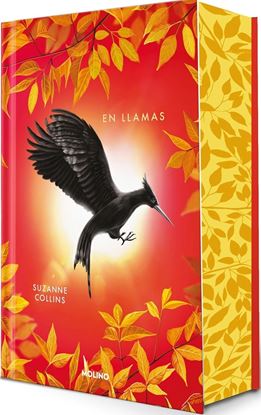
LOS JUEGOS DEL HAMBRE 2. EN LLAMAS (EDIC
Katniss Everdeen ha sobrevivido a Los juegos del hambre. Pero el Capitolio quiere venganza.
Contra todo pronóstico, Katniss Everdeen y Peeta Mellark siguen vivos. Aunque Katniss debería sentirse aliviada, se rumorea que existe una rebelión contra el Capitolio, una rebelión que puede que Katniss y Peeta hayan ayudado a inspirar. La nación les observa y hay mucho en juego. Un movimiento en falso y las consecuencias serán inimaginables.
1,800
1,500
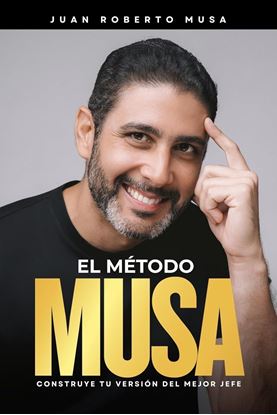
EL METODO MUSA
Ser un buen jefe es un ideal para muchos, pero, ¿qué significa realmente en la práctica? ¿Es una cualidad que nace con la persona o se construye a través de la experiencia? ¿Es realmente posible evitar la alta rotación de personal y, al mismo tiempo, aumentar la productividad de los equipos?
Son estas y otras preguntas las que responde “El Método Musa: construye tu versión del mejor jefe”, un libro nacido de un movimiento que comenzó como una simple conversación espontánea en redes sociales. La viralidad de sus mensajes y la cercanía con su equipo y con la gente, hicieron que Juan Roberto Musa recibiera un título inesperado: “El Mejor Jefe”. Este calificativo, es más que un premio oficial, es un reconocimiento popular, nacido de la identificación genuina de miles de personas con su manera de ver y ejercer el liderazgo.
En “El Método Musa: construye tu versión del mejor jefe”, Musa comparte su historia: la de un líder que comenzó a emprender con más dudas que certezas, y que tras fracasos, obstáculos, decepciones e incluso trasnoche en un cuartel de policía, encontró en esas pruebas la fortaleza para convertirse en el líder que todos desean tener y en un empresario exitoso.
Asimismo, el libro contiene anécdotas reales, principios prácticos y 12 pasos accionables que el lector podrá aprender, aplicar y adaptar a su propio entorno y estilo de liderazgo.
Este libro, más que un manual de gestión, es una invitación a repensar la manera en que trabajamos con otros. Porque el verdadero legado de un jefe no está solo en los resultados que alcanza, sino en la huella que deja en quienes encuentra a su paso.
1,500
1,750
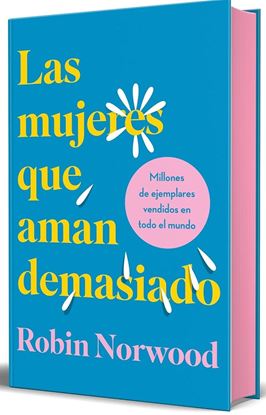
LAS MUJERES QUE AMAN DEMASIADO (ED.ESP.)
Desde 1985, más de cinco millones de mujeres han encontrado en estas páginas el alivio al dolor causado por el amor y las relaciones tóxicas. Mujeres con la misma necesidad de ayuda por amar demasiado.
Durante cuatro décadas, la reconocida terapeuta Robin Norwood les ha mostrado las raíces de su atracción y les ha ofrecido una guía para aprender a amarse a sí mismas y detener el dolor.
1,750

1,000
UNA NOCHE DE VINO
Ya conoces mi esencia en tu aliento, piel encendida.
“En cada copa de vino se deshace una memoria. Bajo la tibia luz de las velas entendió que algunas historias no se escriben con tinta, sino con labios manchados y miradas que tiemblan...”
1,000
1,995
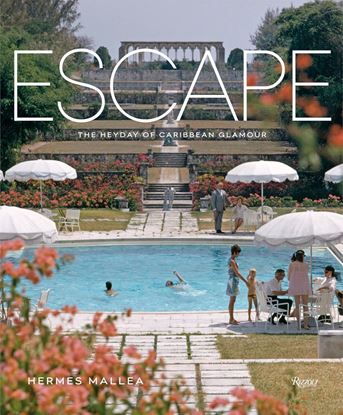
ESCAPE. THE HEYDAY OF CARIBBEAN GLAMOUR
A nostalgic celebration of the glamour of warm-weather destinations in the Caribbean and Florida, from the great estates of ambitious patrons to the most exclusive resorts of the mid-twentieth century. Through iconic photography capturing the cultural mood at the moment when social codes relaxed from the formality of the Gilded Age to the spontaneity of the jet-set era, Escape: The Heyday of Caribbean Glamour takes the reader inside a world of beach parties and costume balls set in lush tropical landscapes, of rarefied resorts and fairy-tale private estates. Escape presents the visual history of the region’s outstanding getaways, chronicling their transformations from pristine idyllic settings to personalized retreats where responsibilities could be left behind. Joseph Urban, Oliver Messel, Paul Rudolph, and other talented designers made these dreams reality, relying on regional design traditions to express the spirit of places like Antigua, Barbados, Cuba, and Jamaica, and sometimes inventing a new vernacular using fantasy imagery to emphasize the notion of escape from the pressures of urban living. Among these idealized settings blossomed the resort lifestyle of international celebrities, from Marjorie Merriweather Post to Babe Paley, Princess Margaret to David Bowie, whose escapades are spectacularly captured in these pages to make the region’s bygone glamour come alive.
1,995