
NOVEDADES

800
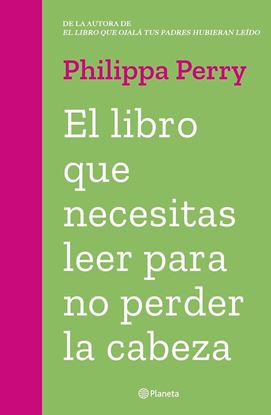
EL LIBRO QUE NECESITAS LEER PARA NO PER.
Philippa Perry, autora del éxito El libro que ojalá tus padres hubieran leído, nos revela qué podemos hacer para cambiar y lograr un mayor equilibrio mental. Philippa Perry, autora de la exitosa obra El libro que ojalá tus padres hubieran leído, nos revela qué podemos hacer para lograr un mayor equilibrio mental. Si bien no existe una fórmula mágica capaz de garantizar que nos mantendremos cuerdos, sobre todo en determinados momentos difíciles de la vida, sí podemos realizar algunas acciones que nos permitan superar nuestras dificultades emocionales para ser más felices. En este libro, la reconocida psicoterapeuta Philippa Perry nos revela cuatro áreas en las que podemos influir para generar un cambio hacia un mayor equilibrio la autoobservación, nuestras relaciones con los demás, el estrés y nuestra narrativa personal. Perry nos enseña que trabajar estos puntos puede ser la clave para sentirnos más relajados y seguros en el momento de enfrentar los desafíos que la vida nos presenta.
800
1,450
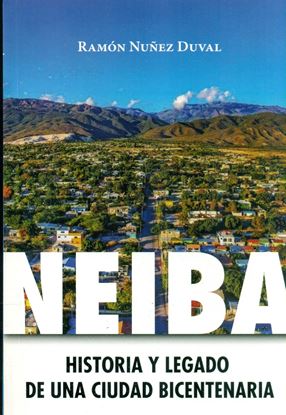
NEIBA. HISTORIA Y LEGADO
Neiba: Tierra que enamora, raiz que nos define
Neiba no es solo una ciudad: es una emoción que se instala en el alma. Su belleza intensa, su magnetismo irresistible y su historia vibrante la convierten en un lugar que no se olvida. Al verla por primera vez, algo se despierta en lo más profundo de ti.Es como reencontrarte con un sueño que siempre estuvo ahí, esperando ser vivido. Neiba hipnotiza, cautiva, y se convierte en ese amor que no se explica, pero se siente con fuerza.
Este libro es un homenaje a esa tierra bendecida, a sus paisa- jes, a su gente, y a la identidad que nos une como neiberos. Nacer en Neiba es llevar en la sangre una historia de esfuerzo, talento y dignidad.Es caminar por el mundo con la frente en alto, sabiendo que pertenecemos a un pueblo admirable, forjado por hombres y mujeres que trabajan con pasión, respeto y valo- res sólidos.
1,450

1,450
BAILANDO SOBRE HIELO
Ella solo tiene un objetivo: ganar.
Ellos han venido a ganarse otra cosa: su corazón.
Adriana Russo lo tiene claro. Quiere conseguir la victoria y salvar el legado familiar. Pero cuando un imprevisto hace que su plan se tambalee, solo le queda una opción para lograrlo: fingir que la química con su pareja de pista va más allá del hielo.
Brayden Elliot no es lo que se dice su tipo ideal, pero ni Adriana es capaz de no caer rendida ante sus encantos. Y no sería difícil creerse su relación (ni que se volviese real) si no fuese por Freddie O’Connell.
Hace dos años que Freddie y ella dejaron de ser amigos y pareja de patinaje, pero Adriana no puede ignorar el aleteo que aún siente cuando tienen que compartir espacio.
Con el campeonato de su vida delante, no puede permitirse distracciones. Pero ¿y si el amor fuese la verdadera medalla de oro?
1,450
2,150
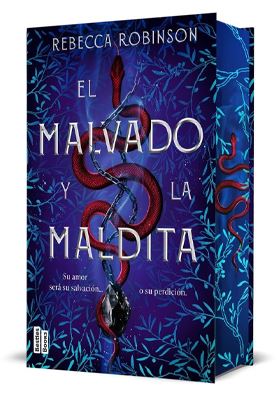
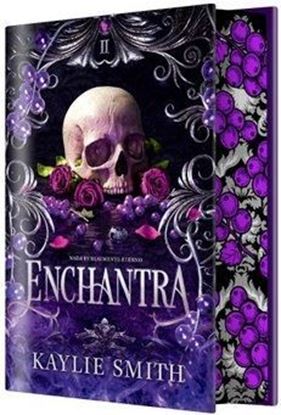
ENCHANTRA (2) (ED. ESPECIAL LIMITADA)
Bienvenidos a Enchantra. Solo hay una regla: nunca confíes en tu corazón.
Tras la muerte de su madre, a Genevieve Grimm la atormentan preguntas para las que nadie parece tener respuestas… hasta que recibe una invitación a Enchantra, un palacio maldito de Italia, congelado en el tiempo y cubierto de unas extrañas bayas. Así que cuando el seductor Rowin Silver se niega a dejarla entrar, Genevieve encuentra su propio modo de conseguirlo… y al hacerlo se da cuenta de que ha sido un error.
Porque Enchantra es un retorcido laberinto de zarzas y plata donde Rowin y sus hermanos están atrapados para siempre en un juego mortal, a merced de un cruel diablo y espantosos espectadores. Solo un habitante de la casa puede sobrevivir. Genevieve ahora debe ganar o morir.
Rowin la advierte de que él es el más letal de los hermanos Silver. Que siempre gana. Y que su única oportunidad es competir como su mujer… así que tienen que convencer a su público de que están desesperadamente enamorados. Y aunque Genevieve está dispuesta a hacer lo que haga falta para sobrevivir, sabe que no puede confiar en Rowin y también que el ardiente deseo que parece estar surgiendo entre ellos no puede ser real…
Después de todo, fue Rowin quien le enseñó la primera regla de Enchantra: nunca confíes en tu corazón.
2,150
450
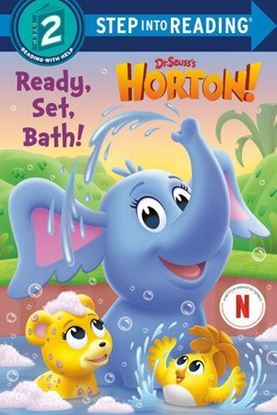
READY, SET, BATH! (DR. SEUSS S HORTON!)
On a beautiful sunny day in the Jungle of Nool, Horton and Samson help Ellie the Cheetah take a bath. Ready, set, follow along as they chase Ellie through mud, slime, banana goo, and more! This leveled reader features a story from Netflix’s animated preschool show Dr. Seuss’s Horton!, based on the beloved Dr. Seuss character, Horton the Elephant.
450