1,995
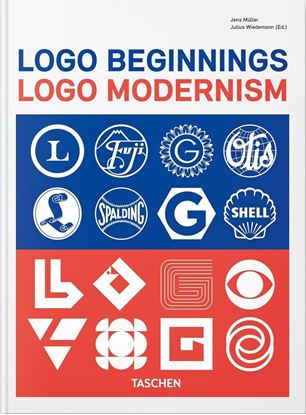
LOGO BEGINNINGS. LOGO MOD. (45TH) (INT)
By the late 19th century, trademarks began to replace traditional emblems, like coats of arms, as identifying symbols for companies. At first, logos tended to be figurative, but over time they morphed into the abstract marks that we see everywhere today. Yet many iconic brands—like Rolex, BMW, Louis Vuitton, and the New York Yankees—still use logos designed 100 years ago.
Bringing together two previous volumes—Logo Beginnings and Logo Modernism—into one compendium, design expert Jens Müller (dubbed “the logo detective” by Wired magazine) has trawled historical trademark archives and design publications to unearth 1000s of logos from as far back as 1870, including many forgotten designs and early versions of today’s brand identifiers.
1,995
850
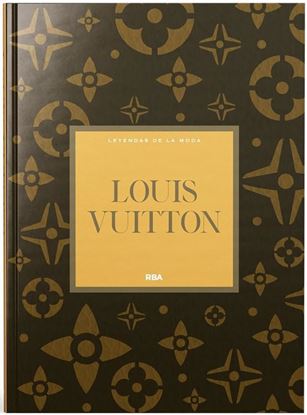
LOUIS VUITTON
Los orígenes de Louis Vuitton se remontan a 1835, cuando un joven emprendedor fundó en París un pequeño taller de equipajes hechos a medida.
Con el tiempo, su empresa se acabó convirtiendo en uno de los imperios más influyentes del mundo de la moda. Desde sus primeros días, Vuitton destacó por su artesanía meticulosa y su capacidad para innovar, creando productos eternos como el baúl con lona impermeable y el primer logo o monograma distintivo de una marca. Hoy, Louis Vuitton sigue siendo un símbolo de elegancia y un referente del lujo. Su legado perdura como la cúspide del estilo y la sofisticación.
850
4,995
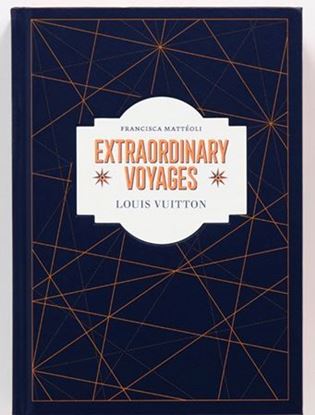
LOUIS VUITTON. EXTRAORDINARY VOYAGES
The mid-19th and early 20th centuries heralded new means of transport and equipment and, with them, new and original ways of exploring the world. Transatlantic liners, automobiles, long-haul airplanes, zeppelins, and express trains unfurled new horizons and changed travel itself into an adventure. Distant lands were no longer solely accessible to aristocrats, explorers, and adventurers. Instead, the world opened up to new groups of people eager to circumvent the globe. And for many of these new globetrotters, traveling was synonymous with Louis Vuitton, the French label whose iconic and functional luggage trunks could be found on nearly every boat, plane, car, and train around the world.
In this beautiful book, author Francisca Mattéoli recounts 50 tales of thrilling travel undertaken in every possible mode of transit, from the hot air balloon to the space shuttle, each lavishly illustrated with more than 300 historical photographs and ephemera from Louis Vuitton’s official archives. Louis Vuitton: Extraordinary Voyages is a journey all its own—an evocative and transporting account of the most surprising and transformative trips taken since the 19th century.
4,995
3,995
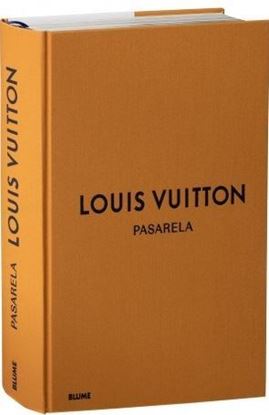
LOUIS VUITTON. PASARELA
La primera panorámica completa de las colecciones de moda de vanguardia de Louis Vuitton, desde su debut en 1998 hasta la actualidad, presentada a través de fotografías originales de pasarela.
Fundada como casa de artículos de cuero en 1854, Louis Vuitton lanzó su primera colección de moda en 1998. Le siguió una fama mundial sin precedentes, así como colaboraciones pioneras de alto nivel con artistas como Takashi Murakami, Richard Prince y Stephen Sprouse.
Este libro recoge las colecciones de gran influencia diseñadas por el director creativo Marc Jacobs (1998-2014) y Nicolas Ghesquière, que dirige la marca en la actualidad.
3,995
9,995
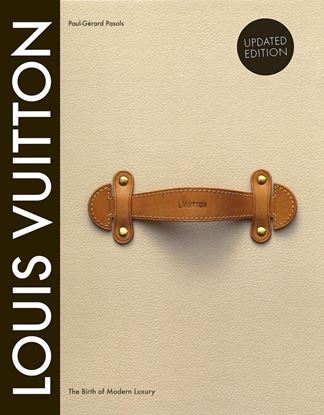
LOUIS VUITTON. THE BIRTH OF MODERN
Written with full access to the company’s archives, this incredible volume demonstrates Louis Vuitton’s passion for fine design with a stunning array of archival art, product designs, and cutting-edge advertising.
The company is examined through the lives of its first three leaders—founder Louis (who invented the modern trunk), his son Georges, and his grandson Gaston.
Now with fresh information on subjects such as designs for ready-to-wear clothing, shoes, jewelry, and even automobiles, this revised edition includes 20 additional pages and updated material throughout the book, covering the brand’s recent history, with new text and photographs.
This book is a work of art, perfect for gifting.
9,995
1,995
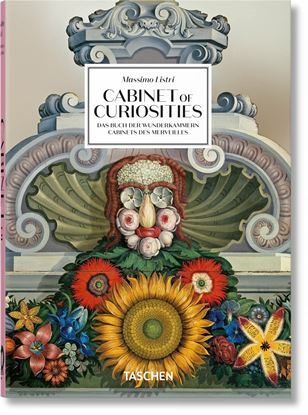
M.L. CABINET OF CURIOSITIES (40TH) (INT)
The Wunderkammer, or “cabinet of curiosities,” saw collectors gathering objects from many strands of artistic, scientific, and intellectual endeavor, in an ambitious attempt to encompass all of humankind’s knowledge in a single room.
From the Grand Duke Francesco I de’ Medici and Holy Roman Emperor Rudolf II to Archduke Ferdinand II of Habsburg, these aristocratic virtuosos acquired, selected, and displayed the objects in real-life catalogues that represented the entire world―spanning architecture, interior design, painting, sculpture, gemology, geology, botany, biology and taxonomy, astrology, alchemy, anthropology, ethnography, and history.
Marvel at the unicorn horns (narwhal tusks), gems, rare coral growths, Murano glasswork, paintings and peculiar mechanical automata. Browse through illustrations of exotic and mythical creatures and discover the famed “Coburg ivories,” an astounding collection of crafted artifacts. These collections are nothing short of a journey through time, from the Renaissance and Age of Discovery, the Mannerist and Baroque periods, up to the present day. Although many of these cabinets of curiosities no longer exist, others have been meticulously reconstructed, and new ones born.
1,995