
1,995
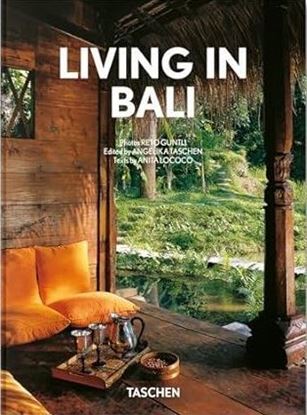
LIVING IN BALI (45TH) (INT)
Apreciada por los viajeros por su exuberancia, su paisaje tropical y el encanto de sus gentes, la isla de Bali es uno de los lugares más espléndidos de la Tierra. Espiritualidad y naturaleza forman parte integral de la vida cotidiana de los balineses, y uno puede entender fácilmente por qué la arquitectura tradicional de la isla encierra ese aire de paz inspirado en el entorno con el que, en ocasiones, incluso llega a fundirse.
1,995
1,995
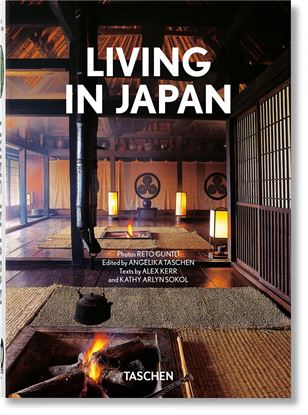
LIVING IN JAPAN (45TH) (INT)
So rich and unique is traditional Japanese architecture that it’s nearly impossible to improve upon. Yet contemporary Japanese designers and architects keep finding fresh approaches to refurbish and take inspiration from the ways of old. Whether it’s a pristinely preserved traditional house or a sleek modern apartment, the best Japanese homes share a love of cleverly designed spaces and warm materials like wood, brick, and bamboo.
From a thatched roof farmhouse occupied by a Zen priest to Tadao Ando’s experimental 4x4 House, from Shigeru Ban’s conceptual Shutter House to a beautiful domestic homage to bamboo, this elegant compendium traverses the multifaceted landscape of Japanese living today.
Enriched by 170 brand new, unpublished photographs, this edition takes you on breathtaking journey through the Land of the Rising Sun―complete with a list of addresses, should you wish to undertake this journey to Japan’s most fascinating inns and homes yourself. An insightful glossary of key terms, such as tatami, shoji, and noren, will also help you come to grips with all elements of Japan’s unique aesthetic of Eastern minimalism.
1,995
1,995
LIVING IN MEXICO (45TH) (INT)
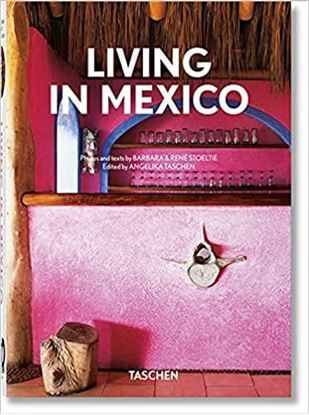
South of the border, rich colors and woven textiles form a unique design aesthetic, crafted by the union of local Aztec and Mayan cultures and Spanish influences. Bold pigments and vivid patterns come together in simple and rustic spaces, resulting in a way of living that is both invigorating and homely; an authentic Mexican style.
The dynamic writer and photographer duo Barbara and René Stoeltie have struck gold again―this time with a truly breathtaking look at Mexico’s most remarkable abodes. Traveling far and wide, from Costa Careyes to the Yucatán Peninsula, this photographic journey will surprise, delight, and inspire you.
From the home of Constructivist architect Luis Barragán, a restored 16th-century hacienda, to a traditional Mayan thatched-roof dwelling, the contrast of styles within the pages of this book are testament to the country’s vibrantly diverse palette of textures and hues. With many new images, some never published before, prepare to be transported to the heart of lush and eclectic Mexico.
1,995
1,995
LIVING IN MOROCCO. (45TH) (INT)
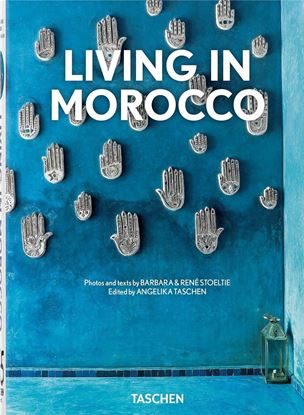
Though it lies just across the Mediterranean from Europe, barely a stone’s throw from Spain’s southernmost tip, Morocco couldn’t possibly be farther away.With its mountainous and desert landscapes, labyrinthine souks, delectable cuisine, exquisite rugs and textiles, vibrant mosaics, fragrant odors, mesmerizing music, and welcoming people, Morocco is a most alluring and tantalizingly exotic destination. Digging a little deeper into the myth of Morocco, Barbara and René Stoeltie bring us this eclectic selection of homes to demonstrate all that is most wonderful about the Moroccan style: from tiled, turquoise swimming pools and lavish gardens to carved wooden furniture and jade-colored marble fountains.With more than 500 pages featuring stunning, inspiring photographs, flipping through these fairy tale-like visions of exotic havens (ideally while sipping a steaming cup of sweet, fragrant mint tea) will instantly whisk you away.
1,995
1,995
LIVING IN PROVENCE (45TH) (INT)
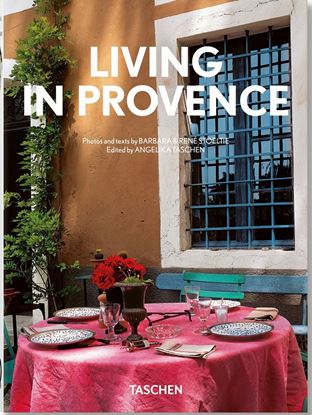
Visite una tierra de plazas adoquinadas, cerámica rústica y campos de lavanda, y descubra el encanto rural que sedujo a artistas de la talla de van Gogh y Picasso con esta monografía dedicada a las casas e interiores de la Provenza, ya sean espléndidos castillos o retiros campestres, a través de textos reveladores y preciosas fotografías.
1,995
1,995
LIVING IN TUSCANY (45TH) (INT)
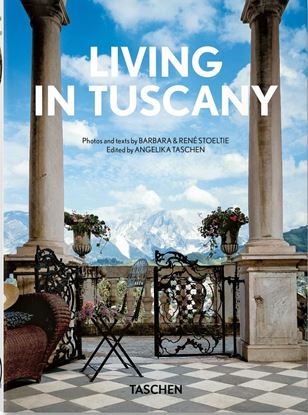
Adéntrese en algunas de las viviendas más bonitas de la Toscana. Grandes casas patricias y ermitas rurales abren sus puertas para revelar la cerámica de los Medici, salones bañados por el sol y coloridos suelos de baldosas. Con detalladas explicaciones y magníficas fotografías, este volumen nos ofrece una hermosa imagen del estilo de vida toscano.
1,995