850
680
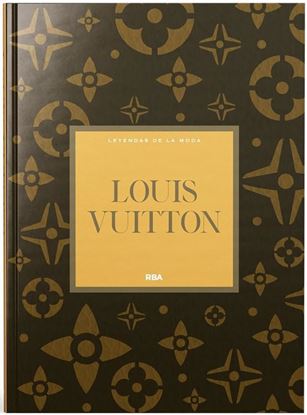
LOUIS VUITTON
Los orígenes de Louis Vuitton se remontan a 1835, cuando un joven emprendedor fundó en París un pequeño taller de equipajes hechos a medida.
Con el tiempo, su empresa se acabó convirtiendo en uno de los imperios más influyentes del mundo de la moda. Desde sus primeros días, Vuitton destacó por su artesanía meticulosa y su capacidad para innovar, creando productos eternos como el baúl con lona impermeable y el primer logo o monograma distintivo de una marca. Hoy, Louis Vuitton sigue siendo un símbolo de elegancia y un referente del lujo. Su legado perdura como la cúspide del estilo y la sofisticación.
850
680
850
680
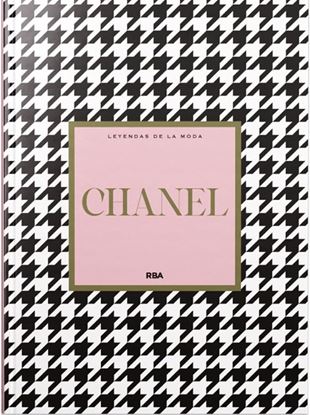
CHANEL
En una época en la que la moda estaba dominada por hombres, Gabrielle «Coco» Chanel reescribió las convenciones sobre la feminidad a través de creaciones basadas en la simplicidad, la practicidad y una elegancia relajada.
Su legado, de la petite robe noire al icónico Chanel n° 5, se mantiene como un patrimonio fuerte y distintivo, renovado y reinterpretado por el gran Karl Lagerfeld y, posteriormente, por Virginie Viard y Mathieu Blazy, quienes han logrado que la marca siga siendo sinónimo de elegancia y estilo atemporal.
850
680
850
680
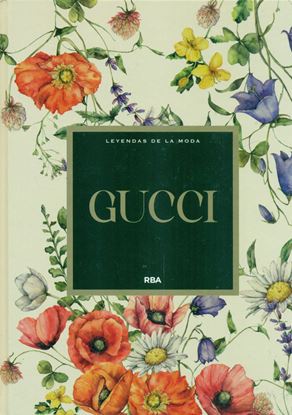
GUCCI
Gucci nació del deseo de su fundador, Guccio Gucci, de crear su propia empresa, una que igualara en calidad a los prestigiosos equipajes ingleses con estilo propio. Guccio contagió esta pasión a sus hijos Aldo, Rodolfo y Vasco, quienes contribuyeron con su padre a crear una firma en la que la elegancia y Es la éxquisitez de los materiales eran innegociables, Con Tom Ford como director creativo, "Gucci asaltó el trono del prét-a-porter. A lo largo de los años, el monograma Gucci, los bolsos Bamboo o el mocasín Horsebit han seducido a generaciones, que siguen viendo en Gucci una marca de lujo que marca tendencia.
850
680
850
680
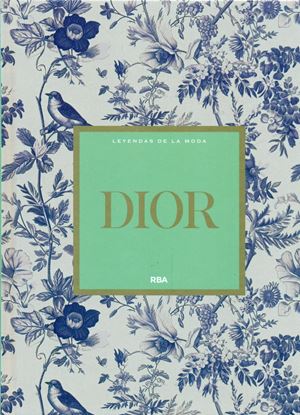
DIOR
Christian Dior fundó la maison que lleva su nombre en 1946, en la Francia de posguerra, E impulsado por la idea de devolver a la moda la elegancia y el poder de seducción que creía perdidos. Su primera colección, que introdujo el icónico New Look, fue revolucionaria y restauró el orgullo de la haute couture francesa. Con los años, y gracias a la labor de sus directores creativos: Yves Saint Laurent, Marc Bohan, Gianfranco Ferré, John Galliano, Raf Simons, Maria Grazia Chiuri y Jonathan W. Anderson, la maison Dior se ha mantenido en lo más alto del panteóndela y - moda y el estilo en todo el mundo.
850
680
850
680
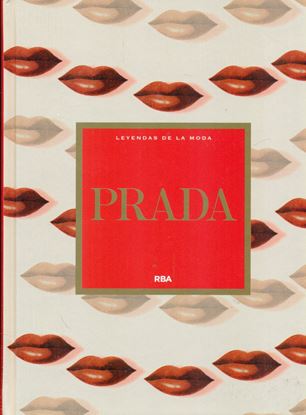
PRADA
En 1913, Fratelli Prada abrió sus puertas en Milán, convirtiéndose en la marroquinería favorita de la burguesía italiana. Décadas más tarde, cuando Miuccia Prada heredó la empresa
familiar comenzó a desafiar las convenciones ¿que rodeaban la moda del momento: hizo del
nailon un material lujoso, despojó a las mujeres de adornos superfluos y hasta se atrevió a jugar con lo que socialmente se consideraba feo. La diseñadora se alió con artistas contemporáneos y a través de sus desfiles habló de feminismo, de problemáticas sociales o del uso de la tecnología. Es una firma ligada indisolublemente a la cultura contemporánea.
850
680
1,650
1,320

3,995
3,196
GREEN-ROOF HAUSES
This beautifully illustrated volume celebrates thirty-two innovative homes from around the world that transform rooftops into lush, living landscapes. From Tokyo to the Hamptons, São Paulo to Barcelona, these houses turn roofs into gardens, blurring the lines between architecture and nature.
With rich historical context and striking contemporary examples, each project reflects a commitment to sustainability, using green roofs to reduce heat, manage water, improve air quality, and support biodiversity. These homes demonstrate how thoughtful design enhances both the environment and the human experience. Visionary architects—from Studio Arthur Casas to Guz Architects—demonstrate how green design elevates aesthetics and environmental consciousness.
3,995
3,196

2,995
2,396
HIGH-TECH BRITAIN
A showcase of Britain’s most astonishing examples of High-Tech buildings from the late twentieth century and beyond.
Often associated with factories, offices, and transport infrastructure, High-Tech is an elusive architectural style defined by expressed structure and services, “clip-on” prefabrication, flexible interiors, and the technological aesthetic of outriggers, tension rods, and glossy cladding. This beautifully photographed book is an authoritative survey of the most groundbreaking British examples of the style.
Among the buildings featured are the awe-inspiring Lloyd’s Building in London, the glorious Sainsbury Centre at the University of East Anglia, the curvy press box at Lord’s Cricket Ground, and the world-famous Eden Project in Cornwall, alongside lesser-known buildings that include private homes; facilities for civic, educational, and community use; as well as buildings for culture, sports, and entertainment.
2,995
2,396

1,650
1,320
THE PACKGE DESING BOOK
Packaging is a highly underrated art form. As the first thing a consumer sees when looking at a product, it can make or break a sale. Every year, the Pentawards celebrate the art of the package by recognizing the world's most groundbreaking and influential designs. Designers compete in five main categories — beverages, food, body, luxury, and other markets — and no fewer than 50 sub-categories.
Featuring a selection of hundreds of works, this book brings together Pentawards winners from 2008 to 2016, providing a vivid demonstration of creativity in every form of packaging. Readers will discover, through product descriptions and plenty of images, what drives design industry leaders and agencies behind these creations, which permeate all aspects of our everyday lives. This well of inspiration will not just serve design and marketing professionals, but anyone with an interest in the creative process of packaging.
1,650
1,320
2,700
2,160
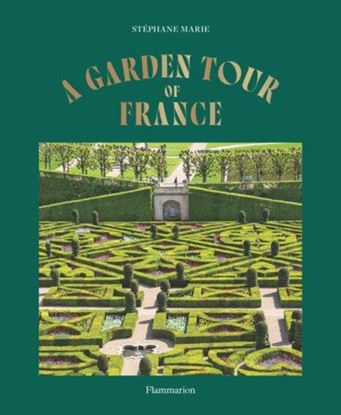
A GARDEN TOUR OF FRANCE
From grand formal French gardens with meticulously sculpted topiaries to the poetry of a bohemian country estate, and from a botanical kitchen garden to an exotic tropical oasis on the Mediterranean coast, French gardening expert and television presenter Stéphane Marie invites readers on a tour of his favorite gardens across France. His encounters with passionate gardeners who have cultivated their plots with creativity highlight France’s incredibly varied microclimates and offer inspiration for nature lovers everywhere.
This beautifully curated volume brings together twenty-seven stunning gardens spanning ten French regions, selected both for their originality and the richness of their flora. Marie's accounts of the design history and creation of each garden are accompanied by detailed sections on the plants, flowers, and trees that make them unique. Visitors are welcome at each of these gardens, and the chapters are completed with practical information and tips on how to plan your visit.
2,700
2,160