4,995
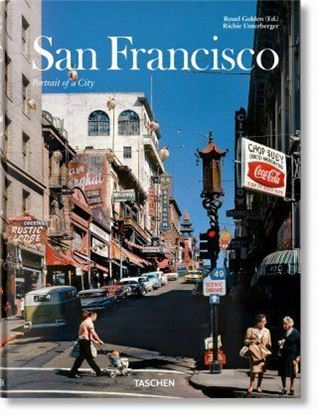
SAN FRANCISCO. PORTRAIT OF A CITY (FO)
Starting with an early picture of a gang of badass gold prospectors who put this beautiful Northern California city on the map, this ambitious and immersive photographic history of San Francisco takes a winding tour through the city from the mid–nineteenth century to the present day.
Enjoy eye-catching views of the city’s most enduring landmarks and symbols: the Golden Gate Bridge, Chinatown, the picturesque trams that wind up and down the famously steep hills, the popular waterfront, its beautiful bay, and its spectacular cityscapes and vistas. San Francisco’s counterculture movements that shaped our collective consciousness are also featured prominently: the beats of North Beach, the hippies of Haight-Ashbury, the gay communities of Castro, and the Black Panthers of neighboring Oakland. Some of the city’s most famous residents also make appearances: Robin Williams, The Grateful Dead, Angela Davis, Janis Joplin, Sylvester, and Allen Ginsberg, among others.
4,995

1,995
SEBA. CABINET OF NATURAL CUR.(45TH)(INT)
Gabinete de curiosidades naturales de Albertus Seba es una de las mejores obras de historia natural del siglo XVIII y sigue siendo uno de los ejemplares de esta disciplina más valiosos de todos los tiempos. Si bien era habitual que los científicos de su época coleccionaran especímenes naturales para sus investigaciones, el boticario de Ámsterdam Seba (1665-1736) sentía verdadera pasión por esta actividad. Su insólita colección de animales, plantas e insectos de todo el mundo le reportó fama internacional en su tiempo.
En 1731, después de varias décadas dedicado al coleccionismo, Seba encargó ilustraciones minuciosas y a menudo adornadas de cada espécimen. Con estos dibujos publicó un catálogo de cuatro volúmenes que reunía su colección completa con especies raras y exóticas, desde plantas hasta serpientes, ranas, cocodrilos, moluscos, corales, aves y mariposas, así como animales actualmente extinguidos.
1,995

1,995
SEBASTIAO SALGADO. GENESIS. 45TH ED
Un día como cualquier otro de 1970, Sebastião Salgado tomó por primera vez una cámara entre sus manos. Tenía entonces 26 años. Al mirar a través del visor tuvo una epifanía: de repente, la vida cobró sentido. A partir de aquel día (y pese a que tuvieron que pasar años de duro trabajo hasta que pudo ganarse la vida como fotógrafo), la cámara pasó a ser la herramienta a través de la cual interactuar con el mundo. Salgado, que «siempre ha preferido la paleta de claroscuros de las imágenes en blanco y negro», tomó muy pocas fotografías en color antes de renunciar por completo a este medio.
El fotógrafo Sebastião Salgado, que creció en una hacienda de Brasil, siente un profundo amor y respeto por la naturaleza; asimismo, es un hombre profundamente comprometido con la devastadora situación socioeconómica en la que, a menudo, se ven afectados los seres humanos. Entre los innumerables trabajos que Salgado ha producido durante su prestigiosa trayectoria, destacan tres proyectos de gran envergadura: Trabajadores (1993), que documenta la evanescente forma de vida de los obreros de todo el mundo, Éxodos (2000), un tributo a la emigración masiva provocada por la hambruna, los desastres naturales, el deterioro medioambiental y la presión demográfica; y esta nueva obra, GÉNESIS, que es el resultado de una épica expedición de ocho años para redescubrir montañas, desiertos, océanos, animales y pueblos que han eludido la impronta de la sociedad moderna: la tierra y la vida de un planeta aún virgen. «Alrededor del 46 % de la Tierra permanece en el estado en el que se hallaba en la época del Génesis —nos recuerda Salgado—. Debemos conservar lo existente.» El proyecto GÉNESIS, junto con el Instituto Terra, fundado por Lélia y Sebastião Salgado, se propone mostrar la belleza de nuestro planeta, revertir el daño que se le ha causado y conservarlo para el futuro.
1,995

800
SERIES QUE ESTAN CAMBIANDO NUESTRA VIDA
Una selección de las series que han marcado un hito y han cambiado el panorama audiovisual de los últimos años. Y con ellas algunas de las curiosidades más sosrprendentes de un género que parece augurar una larga y saludable vida.
800
1,500
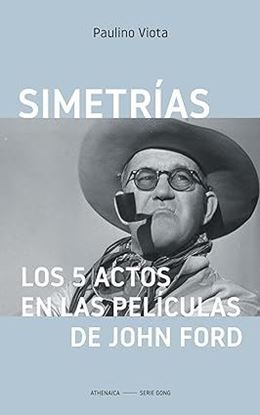
SIMETRIAS. LOS 5 ACTOS DE JOHN FORD
De una incomparable familiaridad con el legado clásico y moderno del cine, del estudio exhaustivo de sus películas y de los rasgos de estilo de sus cineastas, nace el Paulino Viota teórico, ese sabio que ha plantado en artículos, libros, conferencias y cursos la fructífera semilla de su apasionamiento, marcando a varias generaciones de cinéfilos mediante la finura del análisis, la argumentación audaz y la iluminación arrebatadora. Fue, como bien se ha dicho, la opción elegida para seguir siendo creativo, para hacer cine de otra manera, cuando su carrera de cineasta se vio desgraciadamente truncada. En "Simetrías. Los cinco actos en las películas de John Ford", catorce títulos del director de Fort Apache o The Searchers son desmenuzados para hacer comparecer a su cineasta-constructor, demiurgo tras las apariencias que apuntala la narración y gestiona su memoria esa guía afectiva del espectador atento a partir de cinco actos, unidades de sentido de raigambre mítica relacionadas entre sí por simetrías y correspondencias que explican la pregnancia del cine fordiano. Así, Paulino Viota, con una clarividencia que se impone a la hybris, nos faculta a comprender y sentir la parte sumergida que sustenta la punta visible de ese imponente iceberg llamado John Ford; y mientras, el lector, en justa proporción, celebra el trabajo minucioso y callado, la tramoya de diagramas y esquemas que el analista ha ido desarrollando durante años para poder arribar a sus emocionantes conclusiones, aquí donadas con la generosidad que todos conocemos y admiramos en él.
1,500

1,650
SOSTENER LA NOTA
Desde el debut de Leonard Cohen, cuando su miedo escenico le impedía terminar "Suzanne", hasta la icónica caída del abrigo de visón de ArethaFranklin en el Kennedy Center mientras Barack y Michelle Obama aplaudían efusivamente. En Sostener la nota, el legendario director de la revista The New Yorker, David Remnick, reúne sus escritos sobre algunos de los músicos, compositores e interpretes más famosos del mundo con vocación de entender cómo han pervivido en el tempo y en el tiempo las mayores y más populares voces del último siglo en Estados Unidos.
Ganador de un premio Pulitzer por La tumba de Lenin, Remnick toma como hilo conductor las fulgurantes y longevas carreras de los mayores iconos musicales del planeta (Patti Smith, Mavis Staples, Paul McCartney, Bruce Springsteen, Buddy Guy…) para entregar una reflexión magistral sobre el exito, el fracaso, el estrellato, el relevo generacional y el ocaso profesional. Este bestseller, que recoge con gracia
1,650