1,995
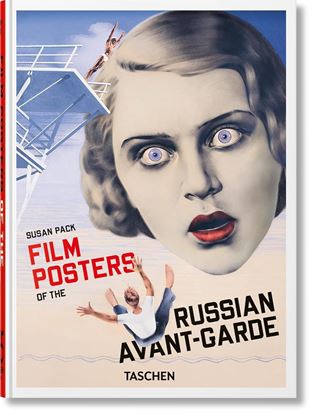
FILM POSTERS OF THE RUSSIAN AVANT-GARDE.
At the intersection of the visual, graphic, and cinematic arts, film posters are a unique and thrilling record of a particular cultural Zeitgeist. This book brings together 250 posters from the Soviet Union of the 1920s and early 1930s to explore the energy and invention of this period, before Soviet Realism became the official art doctrine.
Drawn from the private collection of collector Susan Pack, the selection includes the work of 27 different artists. From bold figuration to architectural elements, each artist displays a distinct style and aesthetic, as much as they collectively eschew the glamour of Hollywood for more stark, striking, even challenging images, often marked by unusual angles, dynamic compositions, and startling close-ups.
1,995
3,300
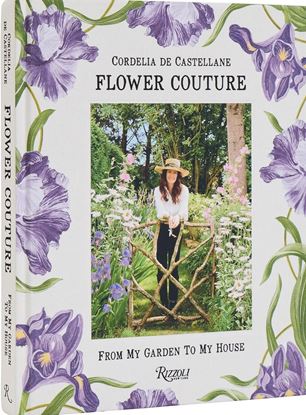
FLOWER COUTURE. FROM MY GARDEN TO MY
De Castellane turns her eyes to the gorgeous garden of her own private residence in the French countryside to offer insight into how she makes nature her muse. From delicate spring blossoms to vibrant summer bouquets starring on sun-kissed tables, autumnal herbariums, and enchanting winter fetes, each chapter is about a color of her favorite flowers and is complete with informative captions and texts uncovering her tips for living and entertaining à la française. De Castellane offers her recipes for bouquets and perfect tablescaping with examples from her own house: readers discover the journey of a flower from the garden to the tabletop. This book is a must-have guide on how to imbue every day with flair, beauty, and joie de vivre.
3,300
1,995
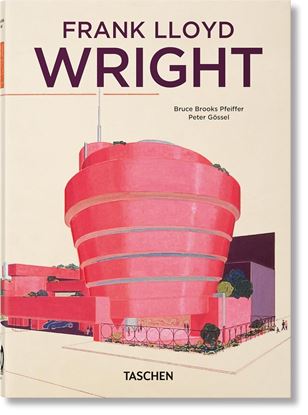
FRANK LLOYD WRIGHT (45TH) (GB)
A building by Frank Lloyd Wright (1867–1959) is at once unmistakably individual and evocative of an entire era. Notable for their exceptional harmony with their environment, as well as for their use of steel and glass to revolutionize the interface of indoor and outdoor, Wright’s designs helped announce the age of modernity, as much as they secured his place in the annals of architectural genius.
1,995

1,995
FREDERIC CHAUBIN. STONE AGE (45TH) (INT)
Follow photographer Frédéric Chaubin as he embarks on a unique, century-spanning journey through Europe. Featuring images of more than 200 buildings in 21 countries, Stone Age presents the history and architecture of the most dramatic medieval castles of the continent in an unprecedented collection.
Building on the success of his foray into Soviet design with CCCP, Chaubin once again documents the afterlife of highly rational structures that seem out of place in a modern-day world. Precursors of Brutalism, these castles value function over form and epitomize the raw materials and shapes that would go on to define so much of architectural history.
Shot on film with a Linhof view camera, the collection is the outcome of five years of travel and investigation. Complete with a practical map and explanatory essay, its castles tell the story of 400 years, unfolding through the feudal Middle Ages into the 15th century.
A photographic study of decay as much as endurance, Stone Age traces the history of some of these singular structures that continue to enchant their audiences today and that occupy a distinct, mystical place in our collective imagination.
1,995
1,250
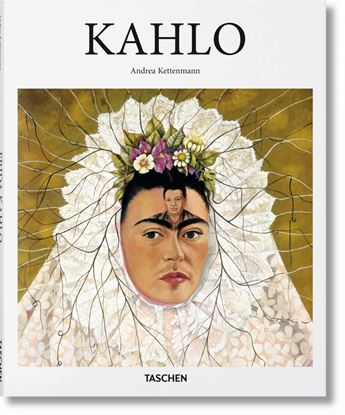
FRIDA KAHLO (BA-ART) (GB)
The arresting pictures of Frida Kahlo (1907–54) were in many ways expressions of trauma. Through a near-fatal road accident at the age of 18, failing health, a turbulent marriage, miscarriage and childlessness, she transformed the afflictions into revolutionary art.
In literal or metaphorical self-portraiture, Kahlo looks out at the viewer with an audacious glare, rejecting her destiny as a passive victim and rather intertwining expressions of her experience into a hybrid real-surreal language of living: hair, roots, veins, vines, tendrils and fallopian tubes. Many of her works also explore the Communist political ideals which Kahlo shared with her husband Diego Rivera. The artist described her paintings as “the most sincere and real thing that I could do in order to express what I felt inside and outside of myself.”
This book introduces the rich body of Kahlo’s work to explore her unremitting determination as an artist, and her significance as a painter, feminist icon, and a pioneer of Latin American culture.
1,250
1,250
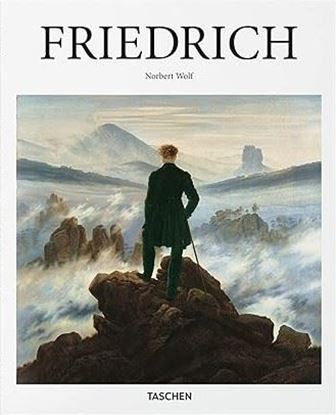
FRIEDRICH (BA-ART) (ES)
La belleza de la naturaleza y la soledad del hombre son temas dominantes en la obra de Caspar David Friedrich (1774-1840). El artista con frecuencia dispone una pequeña figura humana en un amplio paisaje, como en sus famosos lienzos Monje a la orilla del mar y El caminante sobre el mar de nubes. Durante mucho tiempo, la importancia y la influencia de este gran pintor romántico fueron subestimadas. Cuando murió, Friedrich había sido olvidado ya por sus coetáneos y no fue redescubierto hasta principios del siglo xx. Actualmente, se le considera el pintor alemán más importante de su generación y un precursor del expresionismo.
1,250