

2,995
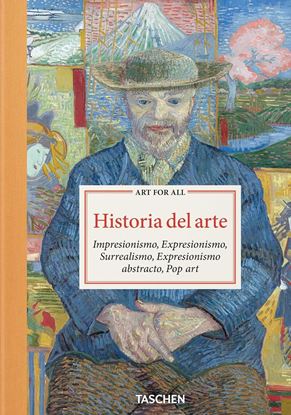
ART FOR ALL. HISTORIA DEL ARTE
A comprehensive volume covering five seminal genres that shaped art, from the late 19th century and well into the 20th: Impressionism, Expressionism, Surrealism, Abstract Expressionism and Pop Art. Each approach was distinct in aesthetic and philosophy, but all had immediate impact and enduring influence. Many great names were indelibly associated with one, some explored several during their careers.
Impressionism, led by Monet and Renoir, focused on light and color, capturing fleeting moments and challenging academic art's rigidity. Expressionism was driven by artists like Edvard Munch and Wassily Kandinsky to convey raw emotion, distorting reality to reflect the angst of human experience. Surrealists, like Salvador Dalí and René Magritte, explored the subconscious, dreams, and the irrational, blending reality with fantasy across art, literature, and film. With Jackson Pollock and Mark Rothko leading the charge, Abstract Expressionism emphasized spontaneity and emotion through bold, gestural brushstrokes, and established New York as the post-war art world’s new Mecca.
2,995
2,995
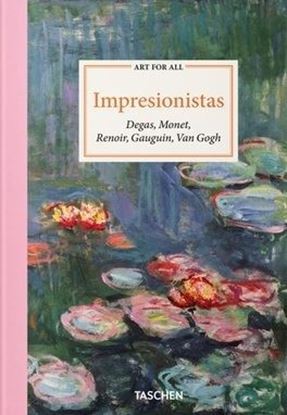
ART FOR ALL. IMPRESIONISTAS (SB) (E)
Rozados por la luz
Descubra la vida y obra de cinco artistas impresionistas emblemáticos
Esta inspiradora colección cubre el trabajo, las vidas y el impacto duradero de cinco impresionistas clave en un volumen que es una introducción y una celebración del género artístico probablemente más popular de todos los tiempos. Cada uno de estos artistas rompió barreras de diferentes maneras y asombró a la sociedad de finales del siglo XIX con la audacia de su planteamiento y de su técnica.
2,995
1,500
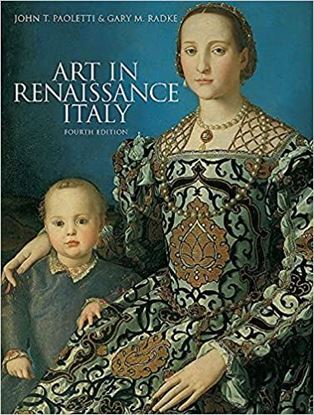
ART IN RENAISSANCE ITALY (B)
Art in Renaissance Italy (4th Edition)
With a freshness and breadth of approach that sets the art in its context, this book explores why works were created and who commissioned the palaces, cathedrals, paintings and sculptures. It covers Rome and Florence, Venice and the Veneto, Assisi, Siena, Milan, Pavia, Genoa, Padua, Mantua, Verona, Ferrara, Urbino and Naples. Chapters are grouped into four chronological parts, allowing for a sustained examination of individual cities in different periods. 'Contemporary Scene' boxes provide fascinating glimpses of daily life and 'Contemporary Voice' boxes quote from painters and writers of the time. Innovative and scholarly, yet accessible and beautifully presented, this book is a definitive work on the Italian Renaissance. This revised edition contains around 200 new pictures and nearly all colour images. The chapter structure has also been improved for yet greater geographic and chronological clarity, and a new page size makes the volume more user-friendly.
1,500
1,400
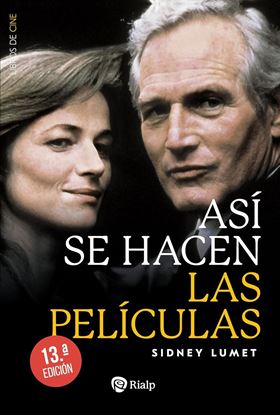
ASI SE HACEN LAS PELICULAS
¿Qué lleva a un director a escoger determinado guion? ¿Qué hay que hacer para mantener el ánimo de un actor o una actriz después de un montón de tomas de la misma escena? ¿Cómo se organiza una escena que implica a más de cien extras y tres vehículos que colisionan, en pleno centro de la ciudad? Así se hacen las películas es una exposición magistral de cómo son las cosas en el cine, que presenta el proceso paso a paso, con claridad, un estilo ameno y montones de anécdotas. Su autor ofrece las memorias de un profesional y una guía definitiva sobre el arte, la técnica y el negocio de la realización cinematográfica. Lumet recurre a su propia experiencia para contar, con entusiasmo y pasión, cómo del trabajo concienzudo y las decisiones acertadas resultan metros y metros de celuloide mágico.
1,400
3,500
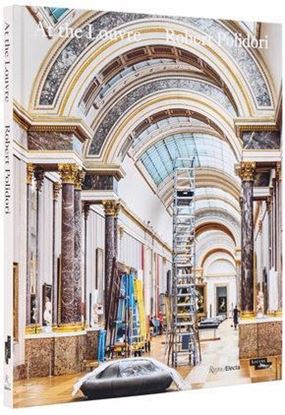
AT THE LOUVRE.
An exclusive look into the preparations behind the Naples in Paris exhibition at the Louvre, beautifully captured by the renowned photographer Robert Polidori.
From June 2023 to January 2024, the Musée du Louvre in Paris welcomed sixty major masterpieces from the Museo di Capodimonte, on loan for the exhibition Naples in Paris: The Louvre Hosts the Museo di Capodimonte. The former Italian royal palace, which once served as a hunting lodge for Bourbon monarchs, is now one of the largest museums in Italy holding one of the continent’s most important collections of Italian paintings, drawings, and sculptures. Among the artworks featured are the famously enigmatic Antea by Parmigianino, a poignant painting of the Crucifixion by Masaccio, The Transfiguration of Christ by Giovanni Bellini, and preparatory cartoons by Raphael and Michelangelo.
On the occasion of this historic artistic exchange, acclaimed photographer Robert Polidori was granted exclusive access to the preparations of the exhibition in the Louvre’s prestigious Grand Galerie. Known for his unique images of architecture and interiors, Polidori exquisitely captures the process and inner workings of the arrival, set-up, and display of the artworks. Part photography monograph, part art history book, this unique publication reveals the hidden workings behind one of the most significant collaborative efforts among major museums in recent years.
3,500
2,200
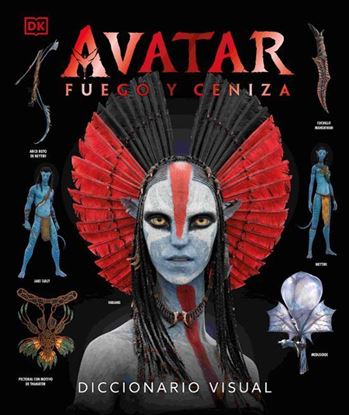
AVATAR FUEGO Y CENIZA: DICC. VISUAL (DK)
El mundo mágico de Pandora regresa a las pantallas de cine y esa magia se muestra ampliamente en este diccionario visual bellamente ilustrado.
Con gran cantidad de nuevos personajes, de flora y fauna, de información importante sobre la forma de vida, las pertenencias y el entorno, este es un libro totalmente imprescindible tanto para los incondicionales como para los nuevos fans.
2,200