

3,500
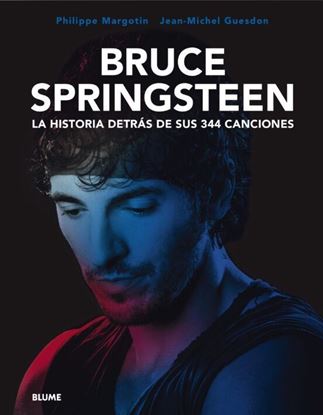
BRUCE SPRINGSTEEN. LA HISTORIA
Desde comienzos de la década de 1970, Bruce Springsteen canta a Estados Unidos, a su clase trabajadora, a los trotamundos y a los corazones rotos.
Canta a las alegrías y frustraciones de su infancia en Nueva Jersey, al amor, a las mujeres hermosas y a los coches, a la velocidad, a los grandes espacios, a la libertad… Son los protagonistas de "Born to Run", "Thunder Road", "Born In The USA", "The River" o "Streets Of Philadelphia".
Con cien millones de discos vendidos en todo el mundo, Springsteen ha entrado en el círculo de los mejores cantantes de todos los tiempos. Y nadie mejor que él merece ser considerado "el Boss" del rock.
3,500
5,995
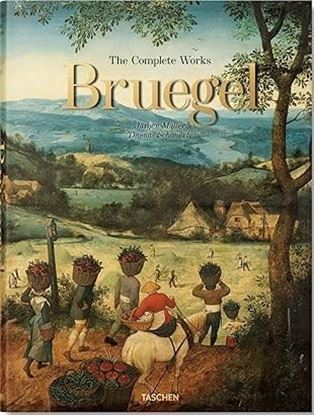
BRUEGEL. LA OBRA COMPLETA (FP) (ES)
The life and times of Pieter Bruegel the Elder (c. 1526/30–1569) were marked by stark cultural conflict. He witnessed religious wars, the Duke of Alba’s brutal rule as governor of the Netherlands, and the palpable effects of the Inquisition. To this day, the Flemish artist remains shrouded in mystery. We know neither where nor exactly when he was born. But while early scholarship emphasized the vernacular character of his painting and graphic work, modern research has attached greater importance to its humanistic content.Starting out as a print designer for publisher Hieronymus Cock, Bruegel produced numerous print series that were distributed throughout Europe. These depicted vices and virtues alongside jolly peasant festivals and sweeping landscape panoramas. He would eventually increasingly turn to painting, working for the cultural elite of Antwerp and Brussels.
5,995
1,995
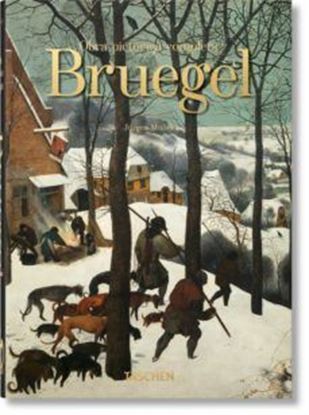
BRUEGEL. OBRA PICTORICA C. (45TH) (E)
Basada en la monografía XXL para la que TASCHEN realizó un estudio fotográfico integral de la obra del artista, esta edición compacta explora las 40 pinturas de Bruegel a través de detalles y reproducciones impecables. Descubrimos cómo Bruegel capturó el teatro de la vida usando su propio lenguaje pictórico en escenas llenas de detalles.
La vida y la época de Pieter Bruegel el Viejo (c. 1525-1569) estuvieron marcadas por el conflicto cultural. Fue testigo de guerras religiosas, del brutal mandato del duque de Alba como gobernador de los Países Bajos y de los efectos palpables de la Inquisición. A día de hoy, el artista flamenco continúa estando rodeado de misterio. No sabemos exactamente ni dónde ni cuándo nació. Si bien los primeros estudiosos de su figura enfatizaron el carácter vernáculo tanto de su pintura como de su obra gráfica, la investigación moderna otorga más relevancia al contenido humanista de sus creaciones.
Tras unos inicios como diseñador de grabados para el editor Hieronymus Cock, Bruegel produjo numerosas series de litografías que se distribuyeron por toda Europa. En ellas ilustraba vicios y virtudes junto a alegres fiestas en los pueblos y magníficos paisajes panorámicos.
1,995

4,500
BUILDING ON TRADITION
Over two decades, William Curtis and Russell Windham have worked to show that classical architecture can embody the same attention to context and custom approach to design often ascribed to more modern movements, underscoring how versatile classical ideals and details can be. In styles reminiscent of the great Tudor manor houses of England to quaint symmetrical clapboard farmhouses, quintessentially Mission-style haciendas, and of course neo-Georgian mansions, the firm builds houses with a faithful adherence to historical detail, proportion, and materials that makes them stand out as truly world-class designers.
With interiors as much a part of their core practice as exteriors, this firm is able to carry through an integrity of vision—graciously curved banisters, warm and inviting mantels, detailed brickwork, and coffered ceilings—that makes every project feel truly whole, complete. Yet a strong sense still pervades every featured home that they are organized to support modern lifestyles, taking the best of the past and adapting it to create homes that are truly comfortable and functional for today’s families.
4,500
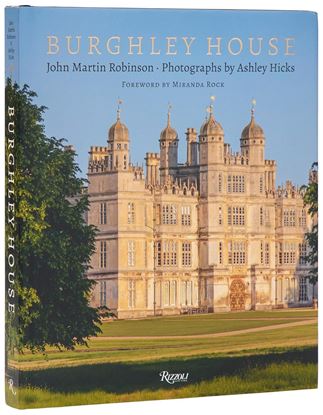
4,995
BURGHLEY HOUSE
Conceived by William Cecil, Lord High Treasurer to Queen Elizabeth I, and built between 1555 and 1587, Burghley House is a testament to the ambition and vision of the most powerful courtier of the first Elizabethan age.
Designed by Cecil himself, in consultation with the Dutch Renaissance architect and painter Hans Vredeman de Vries, the architecture and interiors at Burghley reflect a mix of contemporary fashionable influences. The house’s facades are each markedly different, with a striking and ornate Gothic gatehouse beneath a roofline of cupolas and obelisks, and with French and Italian styles visible in the windows and pilasters. And inside, where the State Rooms house remarkable collections of furniture, textiles, and Old Master paintings acquired over the centuries, Cecil’s Gothic-style Old Kitchen remains alongside the magnificent Renaissance staircase and Italianate fireplace in the Great Hall.
4,995
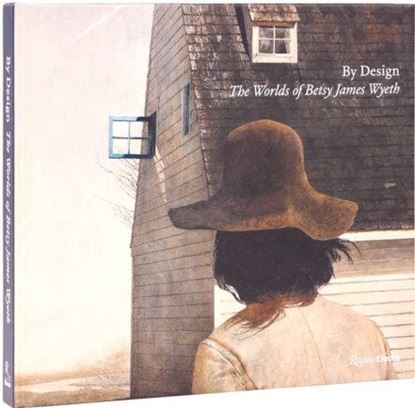
3,900
BY DESIGN. THE WORLDS OF BETSY JAMES WYE
This revelatory book explores the contributions of Betsy James Wyeth (1921–2020), a multitalented maker of designed environments and interior spaces, preservationist, and creative partner to the beloved American artist Andrew Wyeth. Betsy herself created the world around her through imagery, decorative arts objects, documents, and paintings by Andrew and others, which were largely shaped by Betsy and the worlds she created.
The volume features stunning photography of key sites such as Brinton’s Mill and environments that define her creative vision. Scholars discuss her process and significant role in projects like the Shore House at Broad Cove Farm, the site of the formation of Betsy’s refined and minimalist design sensibility. Personal reflections from her family shed light on Betsy’s life and influence, with additional contributions that explore her publishing endeavors and support for the maritime economy. Through a wide range of fine and decorative art objects from the remarkable and largely unexhibited holdings of the Wyeth Foundation for American Art that pertain to Betsy’s legacy, select loans, new photography, this book allows visitors to understand and explore her designed environments as never before.
3,900