

1,995
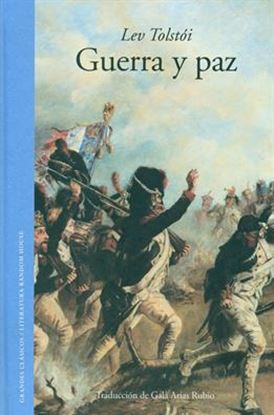
GUERRA Y PAZ (TD)
Obra cumbre, junto a Ana Karenina, de Lev Tolstói y de la narrativa del XIX, Guerra y paz constituye un vasto fresco histórico y épico.Con la campaña napoleónica contra Rusia como trasfondo -Austerliz, Borodino o el incendio de Moscú- entre los años 1805 y 1813, se nos cuenta la historia de dos familias de la nobleza rusa, los Bolkonski y los Rostov, protagonistas de un mundo que empieza a escenificar su propia desaparición.
1,995
1,995
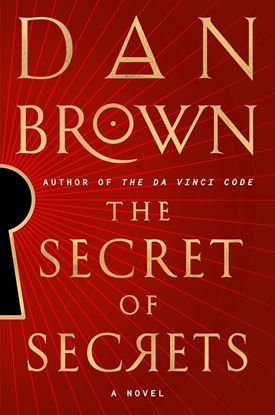
THE SECRET OF SECRETS (HC)
Robert Langdon, esteemed professor of symbology, travels to Prague to attend a groundbreaking lecture by Katherine Solomon—a prominent noetic scientist with whom he has recently begun a relationship. Katherine is on the verge of publishing an explosive book that contains startling discoveries about the nature of human consciousness and threatens to disrupt centuries of established belief. But a brutal murder catapults the trip into chaos, and Katherine suddenly disappears along with her manuscript. Langdon finds himself targeted by a powerful organization and hunted by a chilling assailant sprung from Prague’s most ancient mythology. As the plot expands into London and New York, Langdon desperately searches for Katherine . . . and for answers. In a thrilling race through the dual worlds of futuristic science and mystical lore, he uncovers a shocking truth about a secret project that will forever change the way we think about the human mind.
1,995
1,995
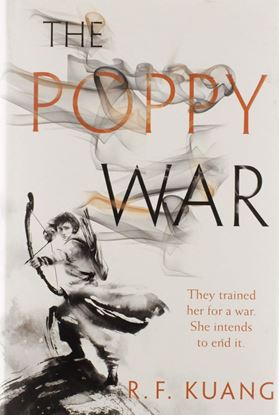
THE POPPY WAR (1) (HC)
When Rin aced the Keju—the Empire-wide test to find the most talented youth to learn at the Academies—it was a shock to everyone: to the test officials, who couldn’t believe a war orphan from Rooster Province could pass without cheating; to Rin’s guardians, who believed they’d finally be able to marry her off and further their criminal enterprise; and to Rin herself, who realized she was finally free of the servitude and despair that had made up her daily existence. That she got into Sinegard—the most elite military school in Nikan—was even more surprising.
But surprises aren’t always good.
Because being a dark-skinned peasant girl from the south is not an easy thing at Sinegard. Targeted from the outset by rival classmates for her color, poverty, and gender, Rin discovers she possesses a lethal, unearthly power—an aptitude for the nearly-mythical art of shamanism. Exploring the depths of her gift with the help of a seemingly insane teacher and psychoactive substances, Rin learns that gods long thought dead are very much alive—and that mastering control over those powers could mean more than just surviving school.
1,995
1,995
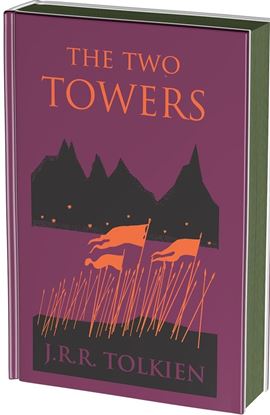
THE BURNING GOD (3) (HC)
Frodo and the Companions of the Ring have been beset by danger during their quest to prevent the Ruling Ring from falling into the hands of the Dark Lord by destroying it in the Cracks of Doom.
Now they continue their journey alone down the great River Anduin—alone, that is, save for the mysterious creeping figure that follows wherever they go.
This elegant hardcover—now available for the first time in the United States—is one of five Collector’s Editions of Tolkien’s most beloved works, and an essential piece of any Tolkien reader’s library.
1,995
1,995
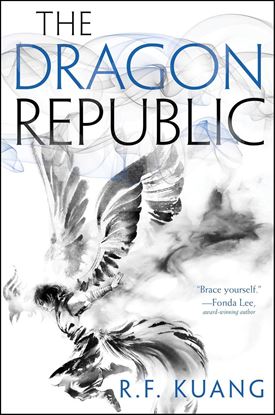
THE DRAGON REPUBLIC (2) (HC)
The war is over.
The war has just begun.
Three times throughout its history, Nikan has fought for its survival in the bloody Poppy Wars. Though the third battle has just ended, shaman and warrior Rin cannot forget the atrocity she committed to save her people. Now she is on the run from her guilt, the opium addiction that holds her like a vice, and the murderous commands of the fiery Phoenix—the vengeful god who has blessed Rin with her fearsome power.
Though she does not want to live, she refuses to die until she avenges the traitorous Empress who betrayed Rin’s homeland to its enemies. Her only hope is to join forces with the powerful Dragon Warlord, who plots to conquer Nikan, unseat the Empress, and create a new republic.
But neither the Empress nor the Dragon Warlord are what they seem. The more Rin witnesses, the more she fears her love for Nikan will force her to use the Phoenix’s deadly power once more.
Because there is nothing Rin won’t sacrifice to save her country . . . and exact her vengeance.
1,995
1,995
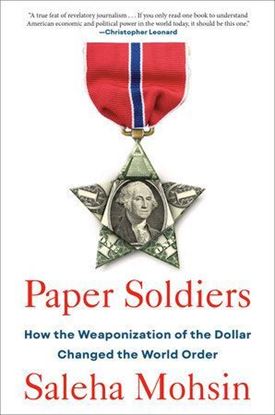
PAPER SOLDIERS
In 1995, Treasury Secretary Robert Rubin re-defined the next thirty years of currency policy with the mantra, “A strong dollar is in America’s interest.” That mantra held, ushering in exceptional prosperity and cheap foreign goods, but the strong dollar policy also played a role in the devastating hollowing out of America’s manufacturing sector. Meanwhile, abroad, the United States increasingly turned to the dollar as a weapon of war. In Paper Soldiers, Saleha Mohsin reveals how the Treasury Department has shaped U.S. policy at home and overseas by wielding the American dollar as a weapon—and what that means in a new age of crisis.
For decades, America has preferred its currency superpower-strong, the basis of a “strong dollar” policy that attracted foreign investors and pleased consumers. Drawing on Mohsin’s unparalleled access to current and former Treasury officials like Robert Rubin, Steven Mnuchin, and Janet Yellen, Paper Soldiers traces that policy’s intended and unintended consequences, including the rise of populist sentiment and trade war with China—culminating in an unprecedented attack on the dollar’s pristine status during the Trump presidency—and connects the dollar’s weaponization from 9/11 to the deployment of crippling financial sanctions against Russia. Ultimately, Mohsin argues that, untethered from many of the economic assumptions of the last generation, the power and influence of the American dollar is now at stake.
With first-hand reporting and fresh analysis that illustrates the vast, often unappreciated power that the Treasury Department wields at home and abroad, Paper Soldiers tells the inside story of how we really got here—and the future not only of the almighty dollar, but the nation’s teetering role as a democratic superpower.
1,995
1,995
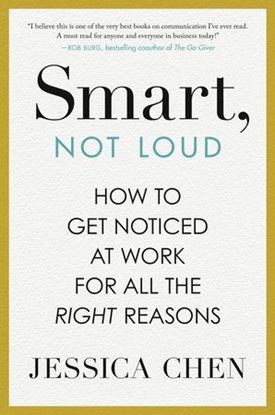
SMART, NOT LOUD
When Jessica Chen entered the workforce, she felt like everything she had been taught growing up in a Quiet Culture household—where deference, humility, harmony, and dogged hard work were praised—failed to set her up for success in the “real world.” Her ingrained values were in direct contrast with what was actually needed to stand out in a Loud Culture workplace. The result? Feeling underappreciated, passed over for opportunities and promotions, and completely stuck.
Building on the lessons she learned as an award-winning TV news journalist, Chen—who now speaks at Fortune 100 companies and whose LinkedIn Learning courses have been watched by over 2 million people—introduces a new way of getting noticed at work, without being loud, aggressive, or boastful. In Smart, Not Loud, Chen teaches readers how they can look within, to the values they already hold, to more effectively show up.
1,995
1,995
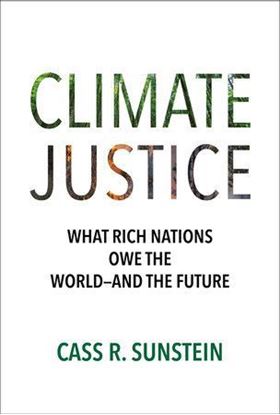
CLIMATE JUSTICE
If you're injuring someone, you should stop—and pay for the damage you've caused. Why, this book asks, does this simple proposition, generally accepted, not apply to climate change? In Climate Justice, a bracing challenge to status-quo thinking on the ethics of climate change, renowned author and legal scholar Cass Sunstein clearly frames what’s at stake and lays out the moral imperative: When it comes to climate change, everyone must be counted equally, regardless of when they live or where they live—which means that wealthy nations, which have disproportionately benefited from greenhouse gas emissions, are obliged to help future generations and people in poor nations that are particularly vulnerable.
1,995
1,995
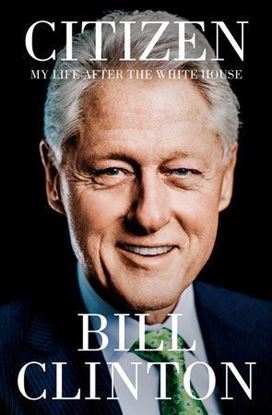
CITIZEN
On January 20, 2001, after nearly thirty years in politics—eight of them as president of the United States—Bill Clinton was suddenly a private citizen. Only fifty-four years old, full of energy and ideas, he wanted to make meaningful use of his skills, his relationships with world leaders, and all he’d learned in a lifetime of politics, but how? Just days after leaving the White House, the call came to aid victims of a devastating earthquake in India, and Clinton hit the ground running. Over the next two decades, he would create an enduring legacy of public service and advocacy work, from Indonesia to Louisiana, Northern Ireland to South Africa, and in the process reimagine philanthropy and redefine the impact a former president could have on the world.
1,995