
750
YO SIEMPRE SERE YO, A PESAR DE TI (BOL)
Una novela que nos habla del amor en el siglo XXI y, sobre todo, del amor propio, el crecimiento personal y la lucha contra los estándares sociales.
Karma (Laura) es una mujer que roza los treinta. Trabaja de teleoperadora en unos grandes almacenes y comparte piso con su amigo Roberto. Son una dupla galáctica y funcionan mejor que cualquier matrimonio convencional.
La vida de Karma da un vuelco de ciento ochenta grados cuando conoce a Leo, su match de Tinder. Leo acaba con todos sus miedos y hace que se sienta como una diosa en la cama y fuera de ella.
Sin embargo, ella convive con los monstruos de su pasado, con la carga de pesar más de lo que la sociedad acepta como normativo, con la necesidad de volver a terapia y con la creencia de tener una autoestima que en realidad no es tan férrea como ella piensa.
Karma somos un poco todas, Karma se construye de todas las mujeres que me inspiran, Karma soy yo.
¿Por qué se le han de romper los esquemas a una mujer empoderada cuando un hombre aparece en su vida?
750

750
YO SIEMPRE SERE YO, PERO CONTIGO (BOL)
La vida de Laura ha dado un giro de ciento ochenta grados.
Ya nadie la llama Karma. Ha dejado El Corte Inglés y, con los treinta, ha llegado el momento de lanzarse a probar suerte en el mundo del teatro junto con su inseparable Roberto.
Laura rehará su vida y descubrirá qué significa para ella el sexo de una noche, el amor romántico y la necesidad de ser ella misma.
750
850
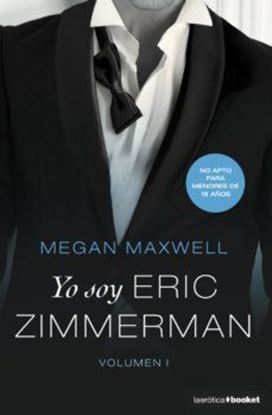
YO SOY ERIC ZIMMERMAN, VOL.1 (BOL)
Me llamo Eric Zimmerman y soy un poderoso empresario alemán. Me caracterizo por ser un hombre frío e impersonal, que disfruta del sexo sin amor y sin compromiso. En uno de mis viajes a España para visitar una de mis delegaciones conocí a una joven llamada Judith Flores. Ella me hizo reír, me hizo cantar, me hizo incluso bailar, y yo no estaba acostumbrado a eso. Cuando me di cuenta de que sentía más de lo que debía, me alejé de ella, pero regresé, pues esa mujer me atraía como un imán. A partir de ese momento comenzamos una relación plagada de fantasía y erotismo, en la que disfruté enseñando a Judith a gozar del sexo de una manera que ella nunca había imaginado. Y tú, ¿te atreves a descubrir el lado sumiso, dominante y voyeur que todos llevamos dentro?
850

850
YO SOY ERIC ZIMMERMAN, VOL.2 (BOL)
Tras una boda y un viaje de novios de ensueño, mi vida con Judith comienza a normalizarse. Durante el día, mientras trabajo en mi empresa, mi maravillosa esposa sigue en sus trece de llevarme la contraria en todo lo que puede y más. A pesar de lo mucho que nos amamos, somos especialistas en enfadarnos y en reconciliarnos siempre? Pero un día llega a mis oídos un malicioso comentario contra ella que me hará perder la confianza en mi pequeña. Días liosos. Noches en vela. Discusiones. Problemas, muchos problemas. Por suerte, mi morenita me hace entrar en razón y me doy cuenta de lo tonto y cuadriculado, por no decir gilipollas, que soy, y una vez solucionado todo me suelta el bombazo: ¡voy a ser padre! Si mi vida ya había dado un giro de ciento ochenta grados al conocer a Judith, no me quiero ni imaginar cuánto volverá a cambiar cuando nazca nuestro bebé.
850

950
YO TAMBIEN NO ES TE QUIERO (1) (BOL)
Tras el exito de la bilogía Mis Razones, Violeta Reed regresa con una nueva novela que enamorará a las lectoras.
La pluma de Violeta Reed es actual, divertida y cautivadora, y el tira y afloja de William y Raquel engancha desde el minuto cero, pero ten cuidado: esta historia a fuego lento te derretirá por dentro. ELENA ARMAS
ESCRIBIR ROMANCE NUNCA FUE TAN COMPLICADO
William Anderson es el escritor de fantasía más exitoso de la decada, con millones de lectores enganchados a su pluma. Es exigente, ambicioso… y tremendamente atractivo. Y tambien es un bocazas.
950
1,250
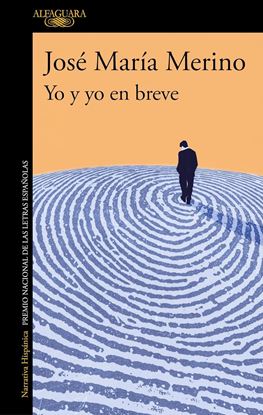
YO Y YO EN BREVE
¿Quién está realmente seguro de no ser imaginario?
Un hombre no sabe si es real o parte de un relato; otro accede a un estado desconocido y placentero tras una sedación; alguien acaba traspasando la frontera entre realidad y ficción después de convertirse en personaje de un relato escrito por Andrés Choz; dos gemelas viven intercambiando sus identidades hasta las últimas consecuencias; un escritor se enfrenta solo a la última noche en la que un hotel está abierto...
José María Merino, uno de los grandes maestros del género del relato en España, construye en este libro un artefacto literario genial, al modo de las muñecas rusas, en el que las ficciones encierran ficciones que además hablan unas con otras y comparten personajes o situaciones. Combinando el humor, la sorpresa y la inquietud ante lo desconocido, todos ellos giran en torno a temas tan sugerentes como la identidad, el doble, la frontera entre la vigilia y el sueño, las realidades paralelas o la inteligencia artificial.
1,250