
NOVEDADES












1,800
LA GUERRA DE LA AMAPOLA
Que Rin superase el Keju (una prueba para encontrar a los jóvenes con más talento del imperio) sorprendió a todo el mundo: a los oficiales que realizaron la prueba, que no podían creer que una huérfana de la Provincia del Gallo pudiera superarla sin hacer trampas; a los tutores de Rin, que pensaban que podrían casarla y seguir con sus labores delictivas; y a la propia Rin, que se dio cuenta de que al fin se había librado de la servidumbre y la desesperación que marcaban su día a día. Pero que entrara en Sinegard, la academia militar más elitista de Nikan, fue aún más sorprendente. Sin embargo, las sorpresas no siempre son buenas. Porque una sencilla muchacha de piel oscura del sur no lo tiene fácil en Sinegard. Sus compañeros le hacen la vida imposible por su color, su pobreza y su género. Pero Rin descubre que posee un poder letal y extraordinario: una aptitud para el casi mítico arte del chamanismo. Por ahora el imperio Nikara está en paz, pero la Federación de Mugen aún acecha al otro lado del mar. La Federación se valió de sus avances militares para ocupar Nikan durante décadas tras la primera Guerra de la Amapola, y aún se notan los estragos de la segunda. Mientras algunas personas tratan de seguir con sus vidas, unas pocas son conscientes de que la tercera Guerra de la Amapola está próxima… Los poderes chamánicos de Rin podrían ser la única forma de salvar a su gente. Pero a medida que va sabiendo más acerca del dios que la ha elegido, el vengativo Fénix, Rin teme que ganar la guerra se lleve por delante su humanidad… y puede que ya sea demasiado tarde.
1,800

600
SE PUEDE AMAR DE VERDAD
¿Se puede amar de verdad en un mundo que parece haber olvidado cómo? Este libro nace como un susurro firme en medio del ruido, como un recordatorio de que el amor no se ha ido... solo necesita ser redescubierto.
Se puede amar de verdad es una invitación a mirar el amor sin disfraces, sin promesas vacías, sin idealizaciones. A través de capítulos breves, reflexivos y profundamente humanos, el autor nos conduce a una conversación íntima sobre lo que significa amar con intención, con presencia y con valor.
Aquí no encontrarás fórmulas mágicas ni teorías perfectas. Encontrarás preguntas que incomodan, historias que iluminan, palabras que acompañan. Encontrarás también el eco de tus propias heridas... y tal vez una esperanza nueva.
Este libro es para los que creen, para los que dudan, para los que aman, y también para los que han sido heridos.
Porque aunque el amor no sea fácil, vale la pena vivirlo con verdad.
600
500
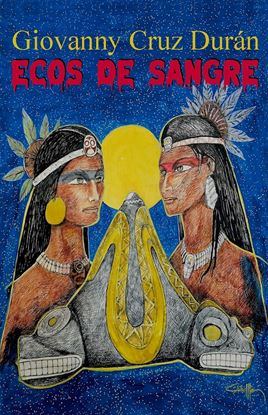
ECOS DE SANGRE
En esta Ecos de sangre su autor es cuidadoso al convertir el suceso taíno en argumento teatral. Evita la trampa del localismo, el simplismo y lo folclórico. Cruz parte de un acontecimiento insular para proyectar la trama hacia lo universal.
La princesa Iguanamá, la soberbia Xucaba, el behique Guaguyona y el cacique Ananorex (únicos personajes de la obra) trascienden lo anecdótico para elevar sus acciones hacia un teatro dramático y profundo.
En esta Ecos de sangre, como ya hizo en su poemario Areytos: cantos entre el cielo y la tierra, su creador incorpora parte del encantador idioma de nuestros taínos. Lo que constituye, por demás, un aporte inigualable.
No ahondaremos en estas premisas en la historia que este dramaturgo dominicano nos plantea en su pieza teatral. Dejemos que ella misma abra para todos nosotros el siempre intenso telón de Giovanny Cruz Durán.
500
1,100
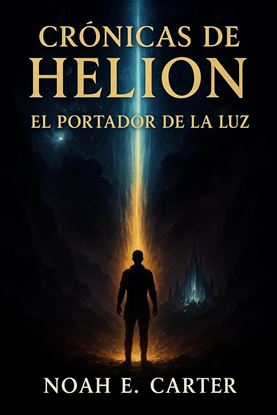
CRONICAS DE HELION. EL PORTADOR DE LA L.
En un mundo fracturado por la oscuridad, donde los antiguos guardianes han caído y las ciudades de cristal apenas resisten el embate de las sombras, surge una profecía olvidada: el nacimiento del Portador de la Luz.
Helion, un niño marcado desde su nacimiento con el símbolo sagrado de Ábalos, es el único capaz de desafiar a las fuerzas que buscan sumergir al Sistema Prime en el caos eterno. Su vida, atravesada por la pérdida y el dolor, lo empuja hacia un destino imposible de evadir. Pero no está solo: aliados inesperados, misterios ancestrales y enemigos ocultos lo acechan en cada paso.
Este primer capítulo abre las puertas a una saga épica donde la luz y la oscuridad chocan en una guerra cósmica.
Batallas legendarias, secretos prohibidos y un héroe destinado a encender la llama de la esperanza aguardan en estas páginas.
1,100

1,650
PIEDRA Y OSCURIDAD. REDENCION 1. ED.ESP.
Después de presenciar el asesinato de su padre cuando era tan solo una niña, Laris Leakarden vive únicamente para vengarse. Tras su paso por la institución de asesinas Hollerins, su odio la arrastra al recóndito lugar donde habita el monstruo que le arrebató todo.
El temible Lord de las Gárgolas responde a su amenaza de una forma inesperada: le abre las puertas de su propia fortaleza y le da la opción de matarlo a traición. Solo tiene una condición: debe permanecer entre sus murallas y estar dispuesta a realizar cualquier encargo que él le solicite en el exterior, pues Laris Leakarden, como humana, tiene una propiedad de la que él carece: inmunidad a la luz del sol.
1,650

500
DEL SUEÑO A LA ACCION
Este libro de autoayuda y superación personal como "De los sueños a la acción" es inspirar y guiar a los lectores a transformar sus aspiraciones en realidad mediante estrategias prácticas y herramientas emocionales. Busca empoderar a las personas para superar obstáculos, crear hábitos positivos y tomar decisiones que les acerquen a sus metas.
María siempre soñó con ser profesora de cosmetología, pero sentía miedo al fracaso y no sabía por dónde empezar. Un día decidió leer un libro de superación personal que le ayudó a identificar sus metas específicas y a trazar un plan de acción. Aplicó consejos prácticos, como establecer objetivos pequeños, rodearse de mentores y perseverar ante los contratiempos.
Después de TIEMPO de esfuerzo, María logro sus sueños y, aunque enfrentó desafíos, aprendió que el éxito no se trata solo de llegar a la meta, sino de disfrutar el proceso y crecer como persona. Su historia muestra cómo pasar de soñar a actuar transforma vidas. Por medio a la acción.
500