NOVEDADES




850
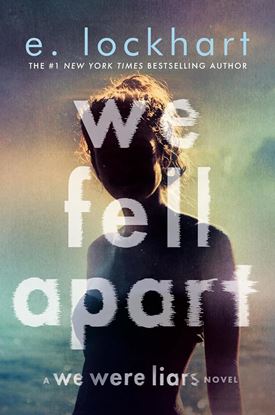
WE FELL APART
The invitation arrives out of the blue.
In it, Matilda discovers a father she’s never met. Kingsley Cello is a visionary, a reclusive artist. And when he asks her to spend the summer at his seaside home, Hidden Beach, Matilda expects to find a part of herself she’s never fully understood.
Instead, she finds Meer, her long-lost, openhearted brother; Brock, a former child star battling demons; and brooding, wild Tatum, who just wants her to leave their crumbling sanctuary.
With Kingsley nowhere to be seen, Matilda must delve into the twisted heart of Hidden Beach to uncover the answers she’s desperately craving. But secrets run thicker than blood, and blood runs like seawater.
And everyone here is lying.
850
850
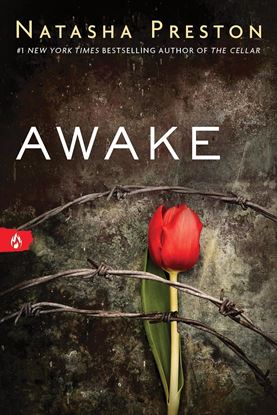
AWAKE
Scarlett Garner doesn't remember anything before the age of four―until a car accident changes everything. She starts to remember pieces of a past that frighten her. A past her parents hid from her…and a secret that could get her killed.
850

1,200
1,650
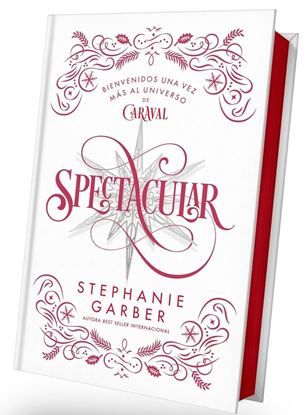
SPECTACULAR (CARAVAL 3.5) (ED. LIMITADA)
Es la víspera de la Gran Víspera y Scarlett Dragna planea una espectacular celebración en la ciudad. Donatella busca el regalo perfecto. A Julian, el verde le sienta increíblemente bien. Y a Legend.
Bueno, es una pena que a Legend no le entusiasme la Gran Víspera, aunque Tella espera que la perfección de su regalo lo haga cambiar de idea. Por desgracia, todavía no ha encontrado el regalo que busca.
Enmarcado después de los sucesos de la saga Caraval, este delicioso relato invita a los lectores a adentrarse en esta fabulosa aventura festiva, llena de autómatas, caramelos envenenados, bolas de nieve, diversión y, si Tella se sale con la suya, amor.
1,650
1,300

1,600
WE FELL APART (DELUXE)
The invitation arrives out of the blue.
In it, Matilda discovers a father she’s never met. Kingsley Cello is a visionary, a reclusive artist. And when he asks her to spend the summer at his seaside home, Hidden Beach, Matilda expects to find a part of herself she’s never fully understood.
Instead, she finds Meer, her long-lost, openhearted brother; Brock, a former child star battling demons; and brooding, wild Tatum, who just wants her to leave their crumbling sanctuary.
With Kingsley nowhere to be seen, Matilda must delve into the twisted heart of Hidden Beach to uncover the answers she’s desperately craving. But secrets run thicker than blood, and blood runs like seawater.
And everyone here is lying.
1,600