

3,995
BILTMORE HOUSE. THE INTERIORS AND COLLEC
George W. Vanderbilt created one of the greatest self-sustaining American country estates of the late nineteenth century—at its center, Richard Morris Hunt’s splendid 250-room French Renaissance château. Beyond the acres of gardens designed by Frederick Law Olmsted and the imposing castle exterior lies one of the most notable private collections of fine and decorative art in the nation. Discover the wealth of treasures assembled in the historic rooms: paintings by Monet, Renoir, Sargent, and Whistler; Renaissance tapestries; rare books; and exquisite French and English furniture.
3,995

2,700
AZZEDINE ALAIA S DIOR COLLECTION
Alaïa was not only a renowned couturier but also a passionate fashion historian and an insatiable collector, an interest he cultivated starting in the 1960s. He gathered over 20,000 garments in his lifetime, from the birth of haute couture to pieces by contemporaries he admired.
This book showcases for the first time the priceless personal collection of Dior designs that Alaïa assembled over decades—pieces by Christian Dior as well as the artistic directors that followed him at the helm of the House. The collection is analyzed through chapters dedicated to the elements that awakened the curiosity of Alaïa’s collector genius: the construction of the dresses—their “architecture”; the enchanting multitude of the color tones and textures of the fabrics and materials; and the poetry of the names of Dior’s creations revealing the diversity of his sources of inspiration, such as Accacias, Astarté, Caracas, Chérie, Jardin anglais, Madrid, Marcel Pagnol, Rose des vents, or Tourbillon.. Illustrated by beautiful photographs of the dresses, historical archival images, drawings by Christian Dior, and collection charts detailing fabric samples and sketches, this book offers a fresh view of Alaïa’s influences and Dior’s history and will appeal to fashion lovers everywhere.
2,700
2,200
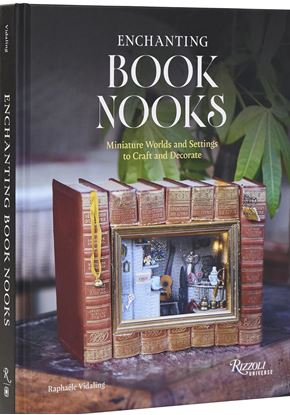
ENCHANTING BOOK NOOKS
Book nooks—miniature dioramas of charming spaces designed for display as a bookshelf insert or as a bookend for a book collection—have taken social media by storm. They have been widely embraced with great enthusiasm in the world of crafting and creative hobbies as they blend a love of coziness, a celebration of storytelling, and an interest in decor.
Fun to make and to collect, these miniature worlds are endearing and contemplative, drawing inspiration from scale modeling to create imagined universes, settings, and characters inspired by daily life, nature, favorite books, or movies. This volume blends how-to advice with inspirational imagery showcasing twenty approachable, easy-to-do, small-scale projects full of charm and enchantment.
2,200

1,995
THE ROLLING STONES (45TH ED)
The kind of fame and success The Rolling Stones have achieved in their 60-plus year career is without parallel; their most famous riffs and catchiest lyrics are indelibly engraved in our collective memory. With their mesmerizing on- and off-stage presence, the Stones set the standard for how a rock band should sound, pose, pout, and behave. They were the first to instinctively understand that what you looked like was as important as the music, and that photography had a vital role in promoting that image.
“The clothes and the hair are always impeccable,” describes author Lucy Sante. “They were playing themselves, but with such consistent finesse you knew they were instinctively aware of the camera and how good they will look in the photos.” Unsurprisingly many of the greatest photographers in the history of the medium wanted to take their picture.
Produced in close collaboration with the band, this edition charts the Stones’ remarkable history and outrageously cool lifestyle in over 500 pages of photographs and illustrations, gathered from archives all over the world. Unprecedented access to the Rolling Stones’ own archives in New York and London adds an equally extraordinary, more private side to their story. For Mick, Keith, Charlie, and Ronnie this is and was their official photographic record.
1,995
2,995
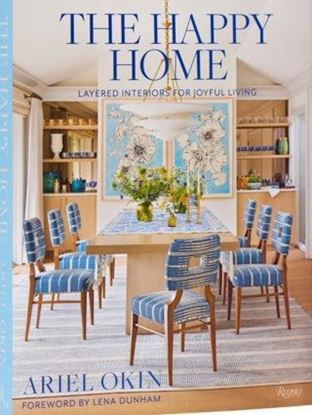
THE HAPPY HOME
Since opening her eponymous firm a decade ago, Okin has established herself as a powerhouse in the design industry. Her interiors are both approachable and sophisticated and have helped her garner an ever-growing social media following, as well as a place on House Beautiful’s Next Wave list and Luxe and House & Garden’s Gold Lists.
Okin’s first book is an exploration of her belief that the best homes reflect the stories of their inhabitants. The houses featured include projects from across the country—from Southampton to New Canaan, Palm Beach to Park Slope—as well as Okin’s own house in New York. As a design journalist in addition to her interiors work, Okin has written the book herself, and it’s rich with advice and inspiration for creating spaces that are as welcoming and personal as they are functional. Whether it’s a young family who just purchased their first home or a design connoisseur with an extensive library, this book will appeal to everyone seeking to transform their house into a warm and inviting home.
2,995
4,995
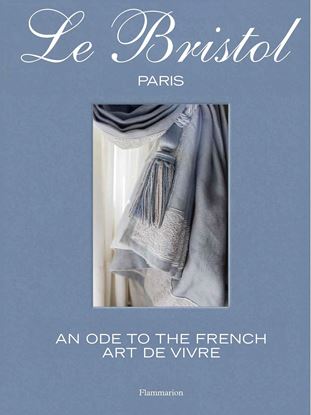
LE BRISTOL PARIS
Designed with a spirit of remarkable freedom, the legendary Parisian palace hotel Le Bristol attracted Parisian high society in the Roaring Twenties and has continued ever since to welcome A-list guests from across the globe. Today, it represents a distinctively French lifestyle at the crossroads of the arts and exudes timeless luxury through high-quality service, lavish rooms, and peaceful gardens that offer refuge from the bustling city. With a total of four Michelin stars, Le Bristol’s restaurants embody French culinary excellence. Combining history, architecture, interiors, gastronomy, and a taste for luxurious living, this book—produced with silver-edged pages and cover vignette—celebrates this jewel on Paris’s prestigious Rue du Faubourg Saint-Honoré.
4,995
3,995
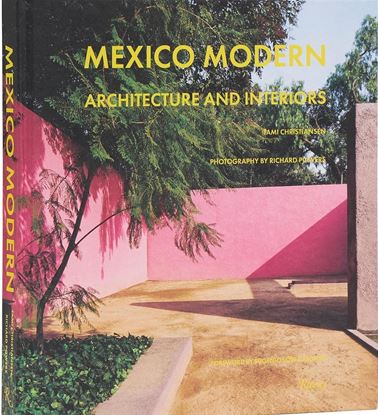
MEXICO. MODERN. ARCHITECTURES AND INTERI
Mexico has long been a wellspring of inspiration for designers, with its rich architectural heritage shaping both national and international discourse. Visionary architects featured in this book such as Agustín Hernández Navarro, Luis Barragán, Ricardo Legorreta, and Javier Senosiain have left an indelible mark on modern architecture, as can be seen in the groundbreaking recent works that are also showcased in these pages.
In this lavishly illustrated volume, Christiansen explores Mexico’s architectural diversity, presenting homes that embody a profound sense of place through exceptional design. From organic dwellings that merge seamlessly with rural landscapes to bold urban structures that challenge conventions of form and space, to sculptural seaside sanctuaries that rise like temples from the sand, each project offers a unique perspective on the country’s evolving design language.
3,995
3,300
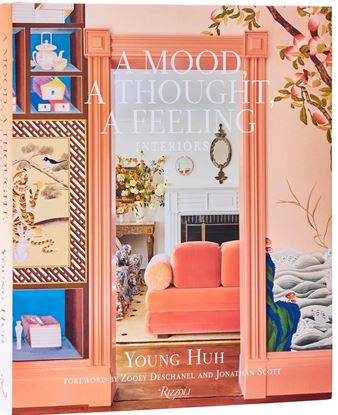
A MOOD,A THOUGHT, A FEELING INTERIORS
Acclaimed designer Huh’s warm and welcoming interiors resonate with harmony, elegance, and dynamism, each room animated by sophisticated surface treatments, a singular play of pattern and color, and a touch of wanderlust. Her first book, composed of three distinct sections, is perfect for readers searching for sophisticated inspiration. Part one, A Mood, looks at decoration through the lens of mood: convivial, peaceful, joyful, cozy, verve, romantic, meaningful. For example, convivial spaces are ones that feel buzzy, excited, and alive, like an artist’s salon; they use lighting to draw people together and seating arrangements to connect. Peaceful interiors are refuges made for reading with a cup of tea on a rainy day, surrounded by warm, natural textures and quiet colors. The second part of the book, A Thought, features three full houses recently completed by Huh, including a chic forever home, an old house full of whimsy, and an airy Park Avenue penthouse. The final section of the book, A Feeling, is about Young’s own recently completed historic country house in upstate New York, from the pattern-filled rooms to the gardens and grounds, with images of life through the seasons. Together, these three sections make for a uniquely personal and beautiful book.
3,300
1,950
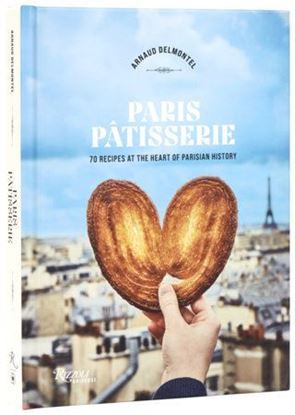
PARIS PATISSERIE
From elegant Saint-Germain-des-Prés to bohemian Montmartre, explore Paris through one of its most beloved culinary traditions: the pâtisserie. Inside this beautifully illustrated Paris pastry cookbook you’ll find over seventy iconic recipes that capture the flavor and atmosphere of these charming neighborhoods. Learn to bake croissants, éclairs, macarons, and tarts as well as classic recipes like Baba au rhum, Chantilly choux, Bûche de Noël, and much more. Easy-to-follow instructions are perfect for aspiring bakers, pastry connoisseurs, home bakers looking to master French pastries, and anyone who wants to bring Parisian cuisine and culture into their own kitchen.
1,950
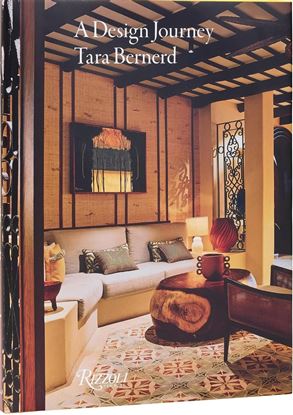
3,995
A DESIGN JOURNEY
Bernerd is known for creating interiors that have a very special sense of place. Firm in her belief that “good design transports us without us being entirely conscious of the fact,” she aspires to take us out of the day-to-day to places we don’t want to leave and give us the desire to bring a piece of that back home.
Committed to the utility of good design, Bernerd works on an increasingly global platform with projects around the world. Hailed by the Financial Times for combining “impeccable craftmanship and timeless style,” her keen eye for composition and detailing and remarkable flair for color and texture make her one of the most sought-after interior designers in the world.
3,995